
Record High Forest Loss Plummets in 2025—What Shocking Change Made This Possible?

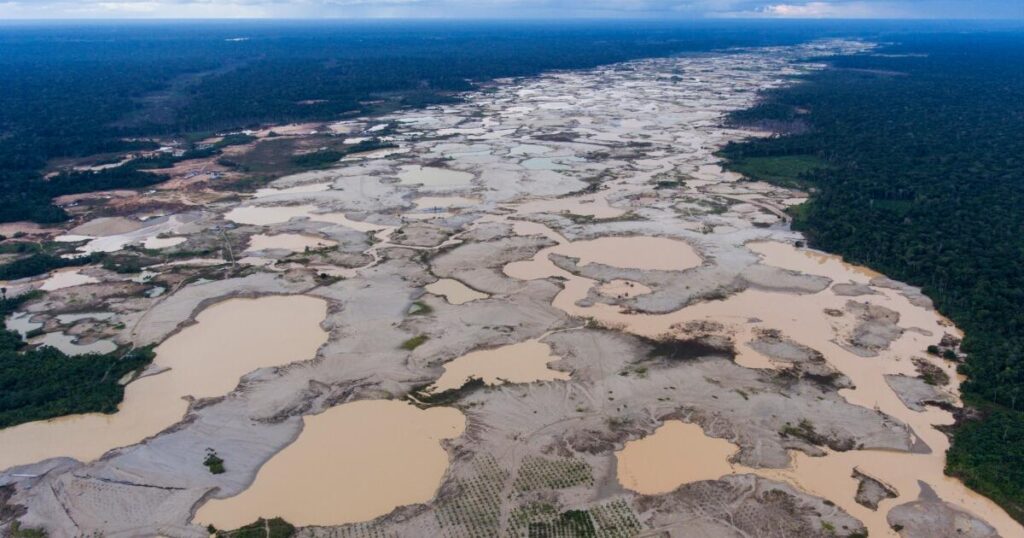
The loss of tropical forests, a critical component of the Earth's ecosystem, saw a notable decline last year, dropping by 36% after reaching a troubling record level in 2024. However, the figures remain alarming, with the world losing an estimated 10.6 million acres of rainforest—an area comparable to the size of Denmark, or more than 11 soccer fields every minute.
According to new data from the University of Maryland, released through the World Resources Institute’s Global Forest Watch, the loss of mature and largely undisturbed humid tropical forests slowed down in 2025. Even so, this year's losses were still 46% higher than a decade prior, reflecting a troubling trend. A relative lull in wildfires contributed to this decline, following an exceptionally devastating fire year in 2024. Yet, the rise in wildfires in tropical regions is increasingly linked to warmer temperatures and more severe droughts, a direct consequence of climate change.
Beyond the tropics, the impact of wildfires was markedly severe. In Canada, wildfires consumed 13 million acres, marking 2025 as the second-worst fire year on record for the country. France experienced the most extreme tree-cover loss, driven by wildfires, which was a staggering seven times higher than the previous year.
The analysis conducted by Global Forest Watch employs a broad definition of forest loss, incorporating not only deforestation for agriculture but also factors like timber harvesting and natural disturbances. Despite a global commitment made during the COP26 climate summit in 2021—where over 100 countries pledged to halt and reverse forest loss by 2030—the world continues to fall short of these ambitious goals. As agricultural expansion and fires continue to threaten biodiversity hotspots and carbon sinks, the World Resources Institute warns that forest loss in 2025 remains about 70% too high to be on track for the 2030 deadline.
“Achieving this goal in the coming years will not be easy as forests become more vulnerable to climate change,” said Elizabeth Goldman, co-director of Global Forest Watch at WRI, during a press briefing. She highlighted the growing demand for food, fuel, and materials from forests as a significant contributing factor.
Agricultural practices—both large-scale commodity production and subsistence farming—emerged as the leading cause of tree cover loss across the tropics in 2025. In countries like Brazil and Bolivia, cattle ranching and soy cultivation exerted significant pressures, while cocaine, oil palms, and other crops drove losses in regions such as Peru and Laos. In much of the Congo Basin, forest clearing was closely linked to shifting cultivation patterns, demand for wood fuel, and poverty.
The interplay between agricultural pressures and wildfires has intensified, with fires consuming twice as much tree cover in the past three years compared to the period between 2003 and 2005. Although most fires in the tropics are ignited by human actions, the hotter and drier conditions linked to climate change are making forests more combustible, exacerbating the spread and severity of wildfires.
Brazil, which includes two-thirds of the Amazon rainforest—the planet's largest rainforest—recorded the highest absolute area of primary forest loss. Nevertheless, the country achieved a remarkable 42% reduction in forest loss compared to the previous year, thanks to stronger environmental policies and enforcement under President Luiz Inácio Lula da Silva. This turnaround is particularly noteworthy, given the Amazon's devastation in 2024, which was marked by its worst drought on record, leading to unprecedented forest fires.
In a phone interview, André Lima, Brazil’s secretary for deforestation control, explained that the country's forest policy encompasses “two agendas that are intertwined”—curbing deforestation and controlling fires. The government relaunched its federal anti-deforestation plan in 2023 under Lula, and preliminary results indicate a 50% reduction in Amazon deforestation in 2025 compared to 2022. Lima emphasized that the spike in fires seen in late 2024 should be viewed as a consequence of exceptional climate conditions, including a strong El Niño and two years of drought that heightened the flammability of the Amazon. In response, the government has allocated $380 million for fire control, implemented new prevention rules, and increased support for state fire brigades and municipal involvement.
“A good year is a good year, but you need good years forever if you’re going to conserve the tropical rainforest,” remarked Matthew Hansen, a remote sensing scientist at the University of Maryland and director of the Global Land Analysis and Discovery laboratory. “And we like the news from this year.”
Your Browser Is Hiding a Shocking Secret! Discover Why You’re at Risk of Cyber Attacks!
Big Ten's Shocking $1.37 Billion Payout: What This Means for Your Favorite School!

College Umpire's Shocking Foul Ball Knockout: What Happens Next Will Leave You Speechless!

Game 7 Shockers: Will the 76ers or Celtics Face Heartbreak? Find Out NOW!

Xiaomi 17 Ultra Smartphone: Is This the $1,200 Device You Can’t Afford to Miss? Here's Why!

The Shocking Truth Behind Huntington Beach's New Fitness Studio: Is It Worth Your Sweat?
You might also like: