
Is Your Bank Trying to Lure You Into a Lifestyle Trap? Discover the Shocking Truth Behind Premium Banking!

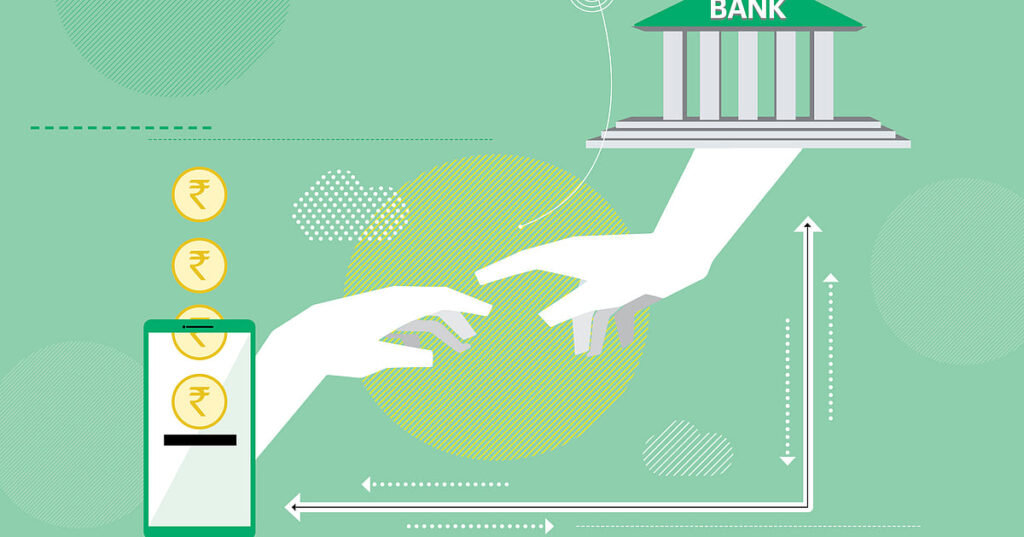
The banking industry is undergoing a seismic shift, as premium banking evolves into a lifestyle-oriented, hyper-personalized, and digital-first model. This transformation is driven by modern, affluent, and tech-savvy customers under 40, who are demanding financial services that seamlessly integrate into their daily lives. These young consumers expect their banks to anticipate their needs and deliver tailored, high-value services that extend beyond traditional banking.
Today’s customers are looking for more than just standard banking transactions; they want a banking experience that aligns with their lifestyles. They are accustomed to personalized services across various sectors and are quick to switch banks if their expectations are not met. A 2025 consumer study by **Accenture** highlights that younger consumers, often labeled as unforgiving, will leave a bank that fails to provide an exceptional online experience. This group desires deep engagement with their financial institutions, favoring banks that offer customized products and services suited to their unique preferences.
📰 Table of Contents
Banking as a Lifestyle Service
The digital landscape has reshaped banking, particularly for the younger generation. Raised in a technology-driven environment, these consumers seek banks that offer more than basic digital functionalities. They prefer services that are relevant to their daily lives, such as tailored reward programs and integration with activities like online shopping and travel. Banks that provide financial management tools within their apps are increasingly favored.
This shift contrasts sharply with traditional banking, which often relies on generic offers and outdated customer relationship management systems. The modern approach emphasizes a more profound customer engagement, utilizing data analytics to understand behaviors and needs. Unlike conventional batch communication, banks are now expected to deliver real-time, personalized messages based on immediate triggers.
For instance, a bank could enhance customer satisfaction by sending reminders for utility payments or offering travel insurance to those traveling for work. Such proactive measures can foster loyalty and encourage favorable responses from younger users.
Personalization as a Competitive Advantage
As banks recognize the importance of moving beyond transactional relationships, they have begun to understand the value of building trust and brand loyalty. Hyper-personalization now means engaging customers in a way that reflects their financial journeys. This could involve simplifying communications, offering surprise rewards, and making financial decision-making less burdensome. Efforts to reduce cognitive load can empower customers to make informed choices with confidence.
Surveys indicate that delivering the right experience can significantly engage customers, opening new revenue streams through avenues like cross-selling and subscription models tied to lifestyle services. However, achieving this requires overcoming various challenges.
One major hurdle is the need for consistent digital efficiency, necessitating banks to invest heavily in technology and service delivery. The integration of **AI**, big data, and machine learning will be pivotal for hyper-personalizing banking experiences. Banks will also need to ensure regulatory compliance while adapting to laws that safeguard personal data usage.
Moreover, a shift in mindset from a product-centric to a customer-centric approach is crucial for success. As competition escalates from fintech companies that excel in personalized customer service, traditional banks must deepen their insights and consistently deliver a personalized experience across all platforms—be it online, mobile, or in-person.
The evolution of premium lifestyle banking is now influenced by individuals prioritizing convenience, personalization, and an understanding of financial wellness. By adopting a customer-focused strategy that merges financial and non-financial services, banks can foster genuine advocacy, strengthen customer relationships, and drive revenue growth. This approach not only enhances customer satisfaction but also cultivates long-lasting relationships that are essential for success in today’s competitive market.
As the banking industry continues to adapt, one thing is clear: the future of banking lies in its ability to integrate seamlessly into the lives of its customers, offering value-added services that resonate with their lifestyles and preferences.
You Won't Believe What Happens When 3 Strangers Try to Access This Secret Website!
Doug Jones vs. Alabama: Can This Former Senator Shake Up the 2026 Governor Race? Shocking Insights Inside!

12 AI Startups Unveiled at MBZUAI Demo Day: Which Game-Changer Will Dominate 2024? Don’t Miss This!

Are You Ignoring This Shocking Stock Market Collapse? Discover What Experts Aren't Telling You!

Art Briles Shocking Return: You Won't Believe What He's Doing at Eastern New Mexico!

This One Shocking Change Could Slash Your Diabetes Risk by 70%—Top Cardiologist Reveals!
You might also like: