
This Beloved Bird Could Disappear Forever—Are We Ignoring the Signs?

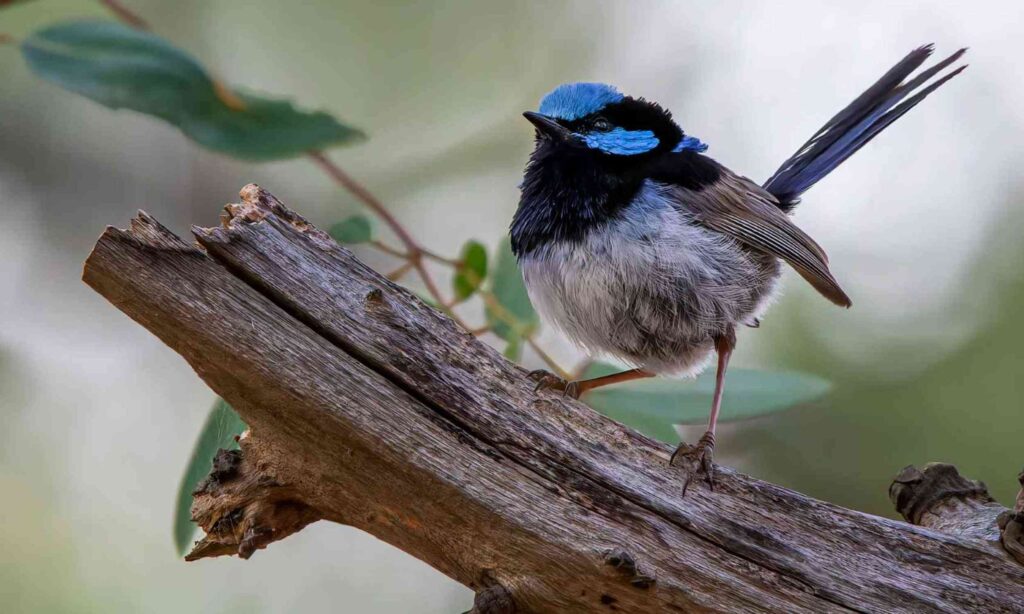
A recent study has raised alarming concerns about the future of the superb fairy-wren, a well-known bird species native to Australia. Researchers predict that this familiar backyard bird could vanish from a long-observed population within the next 30 to 40 years. The study highlights how climate factors—specifically, dry springs, warm winters, and increasingly hot summers—are gradually undermining the survival of these birds.
Conducted over a 148-acre site in Canberra, the capital of Australia, the research was led by emeritus professor Andrew Cockburn from The Australian National University (ANU). Through years of detailed breeding records, mortality rates, and the arrival of new individuals, Cockburn's team identified a troubling trend: minor environmental stresses are accumulating, ultimately leading to a marked decline in the fairy-wren population.
The study found that these small climate impacts do not simply average out; rather, they collectively diminish breeding success, survival rates, and the influx of new female birds into the population. This dynamic threatens even a species that appears to be common at first glance.
The Cumulative Impact of Climate Change
Interestingly, the dangers faced by superb fairy-wrens are not always linked to single catastrophic events. Instead, climate pressures manifest incrementally throughout the year. For example, dry springs lead to fewer insects and plants, which in turn reduces the number of young produced. Warm winters and early hot summers disrupt food availability, making birds weaker during critical cold spells.
As a result, the population cannot maintain its numbers; when fewer females survive and fewer chicks are born to replace them, the species loses the resilience that allows common birds to thrive.
Superb fairy-wrens exhibit a social structure characterized by cooperative breeding, where male relatives remain to help nurture the young within defined territories. Male helpers are responsible for feeding chicks and defending nests, while young females often leave to find breeding opportunities elsewhere. This social dynamic becomes problematic when environmental stresses reduce the survival rates of females. If males outnumber females, the population can decline rapidly, as territory competition intensifies.
To analyze these trends, researchers developed an integrated population model that combines various life events with population counts, enabling them to assess how variables like rainfall and temperature impact survival, breeding, and new arrivals. The study revealed that there are 11 distinct ways in which climate change affects bird populations, rather than a single dominant cause. This multiplicity of impacts means that minor changes can accumulate to create significant threats.
Forecasts from the study are bleak. By matching model predictions with recent bird counts, the scientists projected the superb fairy-wren population from 2022 through 2100. Even in scenarios with no further human-driven warming, the risk of female extinction remains at 22.9% by 2100. In low greenhouse gas emissions scenarios, the garden population is expected to vanish by around 2080, while intermediate and high emissions scenarios could push local extinction as early as 2059 to 2062.
This cumulative risk highlights a critical issue in conservation strategy. As Cockburn stated, "Although many individual impacts of climate change on the birds are small or moderate, together they are expected to have a catastrophic cumulative effect." This reality complicates conservation efforts, as addressing one weak point may leave numerous others unaddressed. For wildlife managers, the message is clear: while habitat buffering is helpful, ongoing emissions continue to exert significant pressure on these populations.
Another crucial factor is food availability. The study suggests that warm winters can harm fairy-wrens by disrupting the timing of food sources. Mild spells can awaken insects prematurely, only to leave birds with fewer meals when cold weather returns. This phenomenon, while not definitively proven in this specific population, aligns with the bird's diet, which relies heavily on insects.
The plight of the superb fairy-wren serves as a stark reminder that common birds are not immune to population decline. History shows that abundance does not guarantee safety; the North American passenger pigeon, once numbering in the billions, became extinct due to unforeseen pressures. In North America, a net loss of nearly 3 billion birds has been recorded across many formerly common species since 1970, and intensive farming practices in Europe have driven significant declines in birds across farmland habitats.
Official conservation statuses can also be misleading. The Red List of Threatened Species categorizes the superb fairy-wren as "Least Concern," which fails to capture the severe stress experienced in local populations. Thus, serious declines in familiar bird species may go unnoticed until it's too late, erasing them from our daily lives long before their global status changes.
Ultimately, the study emphasizes that even minor, cumulative shifts in climate can jeopardize the survival of species that seem to be thriving. Year-round monitoring may uncover similar patterns in other populations, but effective prevention hinges on mitigating warming before even common species lose the numbers necessary for their stability. This research, published in Nature Communications, serves as a crucial wake-up call about the fragility of our feathered friends.
Thousands at Risk: Why Behavioral Health Providers are Furious Over CareSource's Shocking $10 Million Overpayment Crisis!

You Won’t Believe Which 5 NFL Legends Are Trying to Make a Comeback—One Shocking Invite!

Urgent: Whitehall Police Nab Man Making Disturbing Threats to Schools – What Did He Say?

Iran's Shocking FIFA Meeting: Will World Cup Dreams Hang in the Balance?

Teens vs. AI: A Social Media Expert Reveals Shocking Consequences You Never Knew!

iQOO Stuns with Shocking AnTuTu Scores—Did Your Favorite Phone Make the Cut? Find Out NOW!
You might also like: