
Snapchat's Shocking Move: Are Australian Teens Facing a Social Media Blackout? Find Out Why!

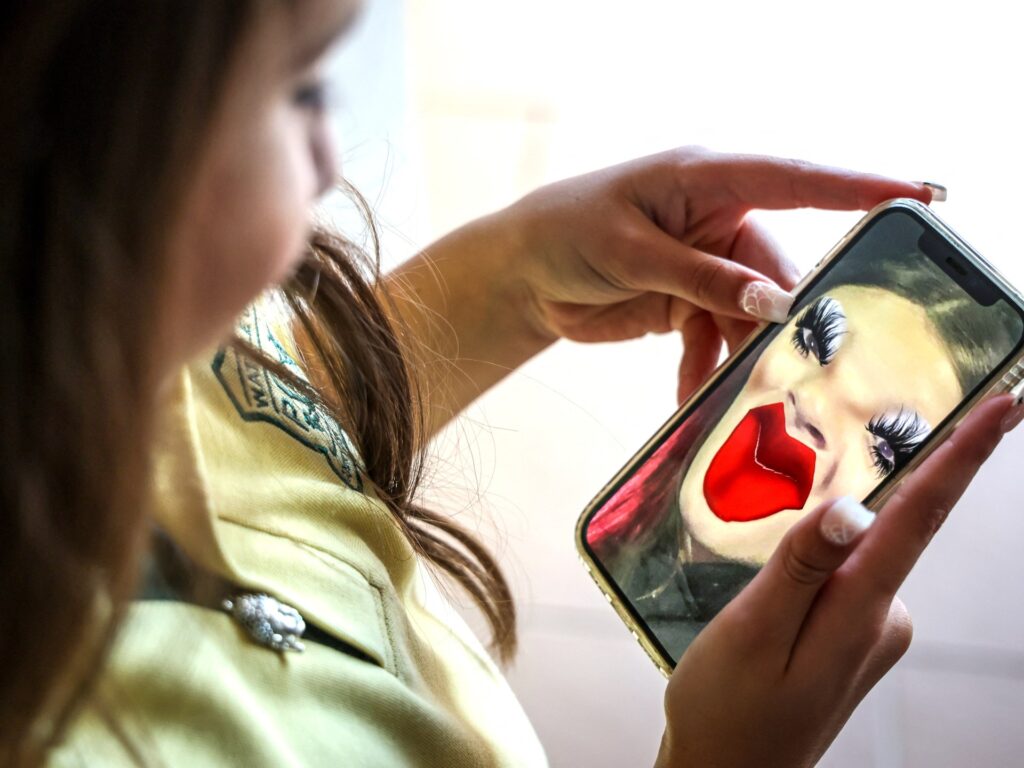
In a significant move to enhance online safety for young users, Snapchat has started requiring children and teenagers in Australia to verify their ages. This decision comes ahead of a groundbreaking law set to ban social media access for users under the age of 16, which will take effect on December 10. Snapchat's age-verification process will utilize the ConnectID application from major Australian banks and technology from age-assurance provider k-ID, both aimed at safeguarding user privacy while ensuring compliance with new regulations.
The Australian government’s legislation is among the strictest globally, imposing fines of up to 49.5 million Australian dollars (approximately $31.95 million) on social media platforms that fail to comply. Besides Snapchat, the ban will also affect popular platforms such as YouTube, X (formerly Twitter), Facebook, Instagram, TikTok, Reddit, Twitch, and Kick.
Snapchat announced that users could confirm their ages through ConnectID, which links to their bank accounts. This method sends a simple “yes/no” signal indicating whether the user is over 16, without the need to upload sensitive personal information. “The goal here is to protect young people online without creating new privacy risks,” said ConnectID managing director Andrew Black.
Alternatively, users can opt to verify their ages through k-ID by uploading government-issued identification or photos, which the application will analyze to estimate an age range. According to Snapchat, approximately 440,000 of its users in Australia fall within the ages of 13 to 15. Despite the impending ban, Snapchat has expressed strong disagreement with the Australian government's decision to include its platform, arguing that disconnecting teens could lead them to less safe, unregulated messaging apps.
Interestingly, some apps have secured exemptions from the ban, including Discord, WhatsApp, Lego Play, and Pinterest. However, Australian authorities maintain the right to update the list of banned platforms as necessary. Concerns surrounding the ban have been voiced by young people and advocates alike. Leo Puglisi, an 18-year-old journalist and founder of the youth news service 6 News Australia, testified before an Australian Senate inquiry, stating that the ban could severely limit young people's access to essential information.
UNICEF Australia has echoed these concerns, suggesting that the proposed changes might not effectively address the issues young people face online. “Social media has a lot of good things, like education and staying in touch with friends,” the organization stated. “We think it’s more important to make social media platforms safer and to listen to young people to make sure any changes actually help.”
Katrina Lines, CEO of the children's therapy provider Act for Kids, emphasized the importance of communication between parents and children as the ban approaches. She noted that a survey conducted with over 300 Australian children aged 10 to 16 revealed that 41 percent preferred in-person connections with family over online interactions. Lines advised families to discuss alternative ways to maintain connections outside social media.
This move in Australia reflects a growing global concern over the effects of social media on children's health and safety. Companies like TikTok, Snapchat, Google, and Meta Platforms (the operator of Facebook, Instagram, and WhatsApp) are currently facing lawsuits in the United States for their alleged role in exacerbating a mental health crisis among young people.
Internationally, regulators are keeping a close eye on Australia's pioneering restrictions. Malaysia’s Communications Minister Fahmi Fadzil announced plans to implement a similar ban for users under 16 starting next year, citing the need to protect youths from online risks such as cyberbullying and financial scams. New Zealand's Prime Minister Christopher Luxon is also exploring legislation to restrict social media usage for children. In Europe, countries like France, Spain, Italy, Denmark, and Greece are jointly experimenting with an age verification app, while the Dutch government has advised parents to restrict social media access for children under 15.
As the December deadline approaches, both parents and young users in Australia face a new landscape in digital communication. The balance between ensuring online safety and maintaining access to vital information remains a contentious debate, with many stakeholders advocating for smarter solutions rather than blanket bans.
Raiders Shock Fans: Chip Kelly's Abrupt Departure Leaves Team in Chaos—What Went Wrong?
Startup Founder Cuts Delhi Trip Short Over Toxic Air—Is Your City Next? Shocking Details Inside!

Malaysia’s Shocking Move: Social Media Ban for Under-16s Starts in 2026—What Parents MUST Know!

New York's Ski Season Is Here! Discover the Shocking Opening Dates—You Won't Believe #1!

Shocking Revelation: Zohran Mamdani Calls Trump a 'Fascist' After White House Meeting—What He Discovered Will Leave You Speechless!

Is Your Vote Safe? Shocking New Evidence of 2020 Election Fraud Will Leave You Speechless!
You might also like: