
Startup Founder Cuts Delhi Trip Short Over Toxic Air—Is Your City Next? Shocking Details Inside!

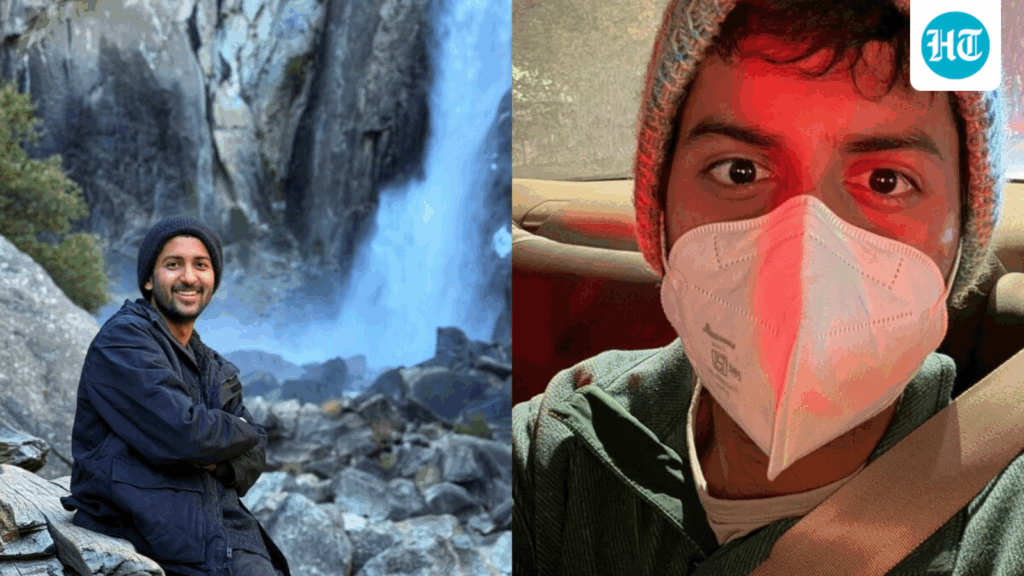
Delhi’s air quality crisis is drawing alarming attention once again as pollution levels reach intolerable heights, with many residents expressing that the situation feels unbearable. The city’s Air Quality Index (AQI) fluctuates daily between “poor” and “severe,” a reality that has left visitors from cleaner urban environments in shock upon arrival.
Kunal Kushwaha, founder of WeMakeDevs, recently shared his personal experience on X (formerly known as Twitter), which garnered significant attention. In his post, he bluntly advised, “Leave Delhi, go in debt if you have to.”
A Personal Reckoning with Pollution
Having grown up in Delhi, Kushwaha initially believed the pollution was manageable, despite its concerning nature. However, his perspective changed dramatically after spending a few years in London, where he enjoyed significantly cleaner air. Upon returning to Delhi, he was immediately struck by the noticeable degradation in air quality, describing the sensation of tasting and smelling the pollution as soon as he landed. He reported feeling overwhelmed even by moderate pollution levels, stating, "Even AQI 200 hit me hard: sore throat, and a feeling like needles in my lungs." This was a stark contrast to his past experiences in the city.
Kushwaha articulated a striking realization: he could “feel the pollution” entering his body in a way he had never experienced before, emphasizing the serious health implications of Delhi’s air quality crisis. He cautioned his followers, urging them to consider relocating for their own well-being, emphasizing that “it's a crisis.” In his post, he noted that he had cut his trip short and planned to leave the city the following day. His experience resonates with many residents who grapple with daily exposure to hazardous air conditions.
As of November 22, 2025, Delhi's air quality remained perilous, with reports indicating an AQI of approximately 430, categorizing it firmly as “severe.” This alarming statistic illustrates the ongoing struggle the city faces as winter smog exacerbates the already critical situation.
In light of these conditions, Kushwaha’s insights are a stark reminder of the air quality challenges plaguing not only Delhi but also other major cities worldwide. The increasing frequency of severe pollution levels raises pressing questions about public health and environmental policies in urban centers.
With over 241,000 views and numerous comments, Kushwaha’s post has sparked conversations about the dire need for improved air quality management and the importance of individual health considerations in urban planning. As Delhi continues to face the repercussions of poor air quality, the question remains: how can cities effectively combat pollution to ensure a healthier environment for their residents?
The ongoing crisis in Delhi underscores a growing global concern about urban air quality and public health. As residents like Kushwaha advocate for change, it becomes imperative for policymakers and communities to prioritize sustainable solutions to combat air pollution and safeguard the well-being of urban populations.
Malaysia’s Shocking Move: Social Media Ban for Under-16s Starts in 2026—What Parents MUST Know!

New York's Ski Season Is Here! Discover the Shocking Opening Dates—You Won't Believe #1!

Shocking Revelation: Zohran Mamdani Calls Trump a 'Fascist' After White House Meeting—What He Discovered Will Leave You Speechless!

Is Your Vote Safe? Shocking New Evidence of 2020 Election Fraud Will Leave You Speechless!

Zhejiang Leapmotor Hits the Big Time: Why You NEED to Know About This Shocking Stock Move NOW!

The AI Illusion: 5 Mind-Blowing Ways Fakes are Ruining Reality—Are You Being Fooled?
You might also like: