
You Won't Believe What Happened at the First Fossil Fuel-Free Conference—Shocking Outcomes Revealed!

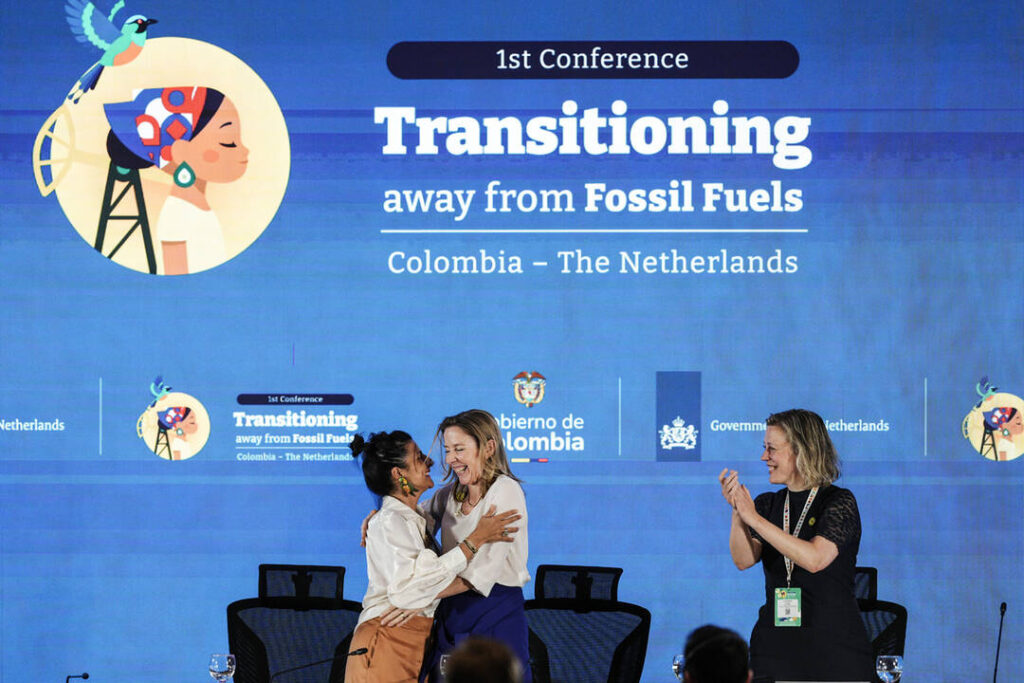
After two days of exchanges that stopped short of formal negotiations, over 57 countries have agreed to develop roadmaps aimed at reducing reliance on fossil fuels—a critical step in addressing the escalating climate crisis. The inaugural conference on transitioning away from fossil fuels concluded in Santa Marta, Colombia, to enthusiastic applause from delegates who described the five-day event as “historic” and a refreshing departure from years of stalled climate negotiations.
“This is the beginning of a new global climate democracy,” stated Colombia’s Minister for the Environment and the Green Transition, Irene Vélez Torres. She emphasized that this conference, which she co-hosted, felt like a “breath of fresh air” and was the only one that hadn’t left her frustrated.
More than 1,500 members of civil society attended alongside government representatives to discuss how to effectively end the global dependence on oil, gas, and coal, which account for nearly 80 percent of greenhouse gas emissions. The conference utilized a closed-door format with small group discussions, which delegates praised for fostering candid and productive exchanges.
“This is the first time that we can open our hearts, open our brains, and have a real conversation without a stupid point of order or procedural process that derails the entire session,” said Juan Carlos Monterrey, Panama’s climate envoy. He described the consensus-driven nature of UN climate talks as “outdated.”
UK climate envoy Rachel Kyte also noted the positive atmosphere, saying, “It's a long time since I've been in a meeting on these subjects where, in the context of the climate negotiations, the mood is respectful and positive.”
📰 Table of Contents
Workstreams Ahead
Colombia and the Netherlands announced three key workstreams for further action. The first aims to assist countries in developing national roadmaps for phasing out fossil fuels, aligned with the national climate plans mandated by the Paris Agreement. This initiative will receive backing from the newly launched Science Panel on the Green Energy Transition, informally referred to as the "Spaghetti group" due to its acronym, SPGET.
Currently, few nations have such plans in place. France is the only country to present its roadmap, which outlines a transition away from coal, gas, and oil from 2040 to 2050. However, Vélez Torres urged her counterparts to focus on the production aspect of fossil fuels, which she described as a significant “blind spot” in existing agreements.
The second workstream will investigate the economic dependencies and financial architectures hindering the transition, including issues like sovereign debt and fossil fuel subsidies. The International Institute for Sustainable Development has been appointed to lead this effort.
Additionally, the Dutch Minister for Climate Policy and Green Growth, Stientje van Veldhoven, announced plans to provide countries with a methodology to assess and disclose their fossil fuel subsidies, developed in collaboration with Switzerland and other nations working to phase out fossil fuel incentives.
The third workstream, overseen by the Organisation for Economic Co-operation and Development, will focus on creating a trade system that excludes fossil fuels. Notably, no new bureaucratic framework is intended, keeping the process streamlined.
A Just Transition
Concerns about equitable transitions were a recurring theme throughout the conference. Activists voiced fears that the shift to clean energy could replace one extractive model with another, potentially burdening communities with the costs of mining critical minerals for solar panels and batteries. Hindou Oumarou Ibrahim, an Indigenous activist from Chad, stressed the importance of a human rights-based approach, stating, “The transition to clean energy has to be on a human rights-based approach that does not evict peoples from their lands.”
Major fossil fuel-producing countries also expressed apprehensions about the economic implications of moving away from fossil fuels. Chidi Magnus Onuoha, chief consultant for Nigeria’s Ministry of Regional Development, emphasized the need for careful planning to mitigate job losses in these sectors. Van Veldhoven reassured attendees that the focus would be on ensuring an “orderly transition.”
The outcomes of the Santa Marta conference are expected to influence discussions at the upcoming COP31 summit in Turkey in November, which will involve representatives from all UN member states, barring the United States, which withdrew from the UN climate body earlier this year. Notably, fossil fuel-dependent countries like Saudi Arabia were not present at the Santa Marta conference and may pose resistance to the proposed roadmaps moving forward.
As a next step, Tuvalu and Ireland have committed to co-hosting a second fossil fuel exit conference in 2027. Initially, there were doubts regarding Tuvalu’s ability to host such an event, but Maina Vakafua Talia, Tuvalu’s Minister of Home Affairs, Climate Change, and Environment, expressed confidence, stating, “We will demonstrate to the world we’re not drowning. We’re surviving.”
The Santa Marta process has set a significant precedent in climate diplomacy, steering the conversation toward actionable steps and fostering a collaborative atmosphere that could pave the way for meaningful progress in the fight against climate change.
Will California’s Next Lieutenant Governor Be a Controversial Outsider? 5 Shocking Candidates You MUST Know!

You Won't Believe How the Spartan Soccer Team Defied the Odds to Secure Their Shocking Victory!

Samsung's Shocking Comeback: How They Snatched 45% of the Smartphone Market in Q1 2026!

Ex-UFC Fighter Shockingly Calls Out Dana White After Surviving a Mass Shooting – What He Reveals Will Leave You Speechless!
You Won't Believe Who Just Invested $500M in Carbon Credits – Find Out the Shocking Details!

Vikings Draft Pick Secrets EXPOSED: Shocking Truths from Coaches You Won't Believe!
You might also like: