Shocking Twist: Officer Shot at White House Dinner Wasn't Hit by Friendly Fire—What Really Happened?

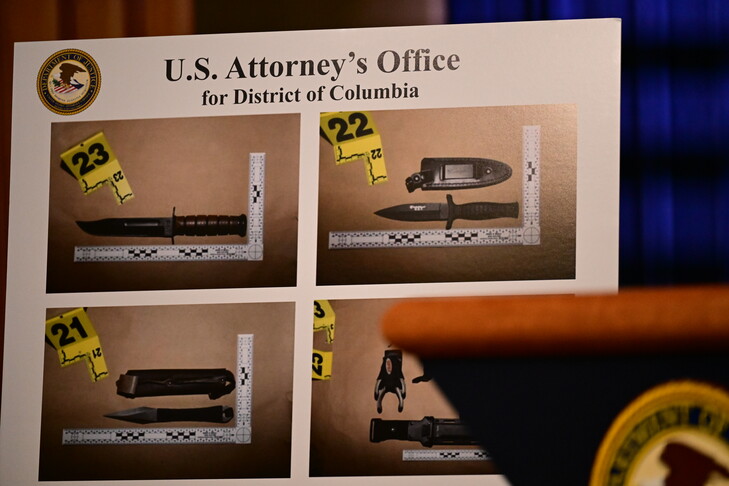
A chaotic scene unfolded outside the Washington Hilton on Saturday night, marking a serious security breach during one of the U.S. political calendar's more glamorous events: the White House Correspondents' Dinner. The incident, which involved a shooting that left a U.S. Secret Service officer injured, has sent shockwaves through Washington, D.C., raising concerns about security protocols for high-profile gatherings.
According to a report by CBS News on April 30, 2026, initial investigations have confirmed the bullet that struck the Secret Service officer was not fired by fellow law enforcement personnel at the scene. Instead, the shot came from the alleged assailant, identified as Cole Allen, a 31-year-old from Torrance, California.
Witnesses reported that Allen rushed a security checkpoint during the event, reportedly firing six shots in total—one from his shotgun and five from the officer's weapon as he sought to neutralize the threat. While the officer was wearing a bulletproof vest, the round that struck him hit a cellphone he had stored in his pocket, fortunately mitigating what could have been a far more serious injury.
Despite the alarming circumstances, Allen was taken into custody at the scene without sustaining any injuries. Legal repercussions quickly followed, as he has been charged with several serious offenses, including attempting to assassinate the president, firing a weapon during a violent crime, committing a violent offense, and transporting a firearm across state lines with intent to commit a felony.
Allen appeared in federal court for the first time on Monday, though he did not enter a plea at that time. The ongoing investigation is being conducted by the Justice Department in collaboration with the Bureau of Alcohol, Tobacco, Firearms and Explosives, focusing on the full circumstances surrounding this alarming act of violence.
The implications of this incident are significant, particularly as it raises questions about the adequacy of security measures during events that attract high-profile figures, including the president and prominent media personalities. Given the recent uptick in violent incidents at public gatherings, lawmakers and security officials may face increased scrutiny regarding the effectiveness of existing security protocols. This incident underscores the ongoing challenges in balancing public safety with the freedom to gather and engage in civic discourse.
As the investigation continues, the focus will likely shift toward understanding the motivations behind Allen's actions and whether there were any warning signs that could have been addressed to prevent this incident. For the time being, those attending future high-profile events may find themselves facing heightened security measures, as authorities work to reassure the public that safety remains a top priority.
This incident serves as a sobering reminder of the vulnerabilities that exist even in the most secure environments and the ongoing need for vigilance in protecting public figures and citizens alike.
GOP Governor’s Race: Shocking Poll Results Reveal a Dark Horse Candidate You’ve Never Heard Of!
You Won't Believe Which 7 Rockford Christian Athletes Are Daring to Change Their Lives in College Sports!
You Won’t Believe What’s Coming to Downtown Phoenix: The Shocking Timeline for the New Entertainment District!
You Won't Believe Why the UK Is Turning Green for Mental Health Awareness—This Shocking Change Affects You!
CT Students Are Unleashing a Climate Revolution—You Won't Believe What Happens Next!

You Won’t Believe How College Sports Sponsorships Are Secretly Manipulating What You Buy!
You might also like: