
Parents, You Won’t Believe These 5 Snack Hacks That Could Save You $100 a Month!

In today’s fast-paced world, many parents find themselves reaching for whatever snack will quickly quiet a hungry child. Items like chips, candy, and other sugar-laden treats may provide temporary relief, but they often leave kids wanting more shortly after. This cycle can lead to overeating and poor nutritional habits, which can set the stage for a host of health issues down the line.
According to Taylor Parish, a registered dietitian at Riley Hospital, there’s a smarter way to fuel kids between meals. Parish advises focusing on a balanced intake of macronutrients—carbohydrates, proteins, and healthy fats—to help children feel satiated for longer periods. “When you want to build a snack, you want to compare your macronutrients,” she explains. “If we ate ultra-processed chips from the vending machine, that won’t keep you very full for very long — and you’re likely to overeat that because it doesn’t have a lot of fiber.”
📰 Table of Contents
Snack Inspiration: The “Snackle Box”
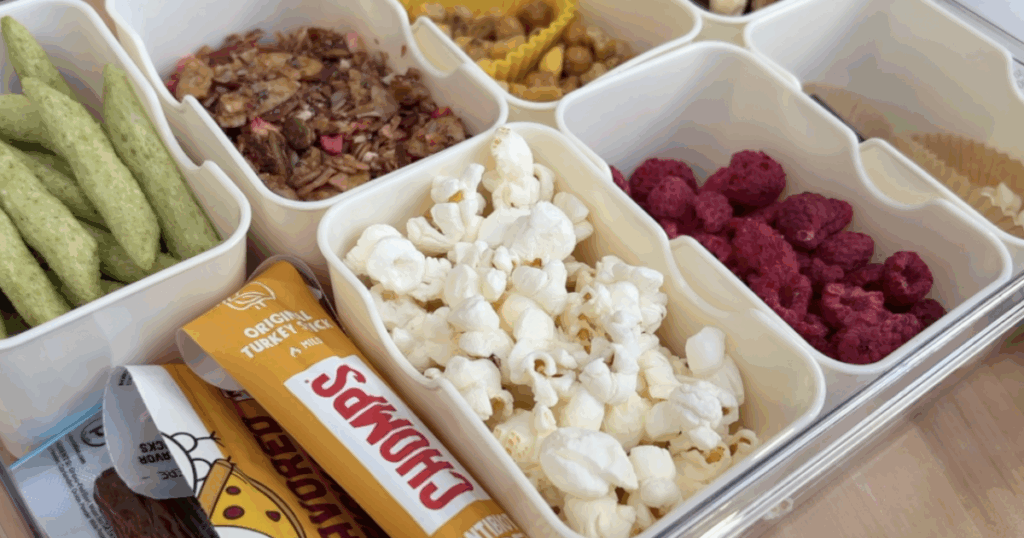
One of Parish’s favorite solutions for busy parents is the concept of the Snackle Box. This portable, colorful container brims with a variety of snacks that keep kids engaged and nourished. “Here we have nuts and seeds… sweets over here — some no-dye sprinkles, some chocolate chips, freeze-dried fruit, popcorn — whole grains — and then an inner pea, like a crunchy air-roasted pea,” she shares. The inclusion of small treats can help mitigate overeating later: “My girls know, if you’re going to have something sweet, where’s your protein? For breakfast, they might have cinnamon sugar toast, but then they also make an egg with it.”
When shopping for healthy snacks, Parish recommends looking for items that encompass all three macronutrients. For carbohydrates, she suggests options like fruits, vegetables, and whole grains such as popcorn or dry cereal without added sugar. For proteins, good choices include Greek yogurt, cottage cheese, and eggs. Healthy fats can be found in nuts, seeds, avocado, or even cream cheese.
Tackling Vegetable Haters
Children (and sometimes adults) can be notoriously picky when it comes to vegetables. Parish emphasizes that patience and creativity are essential when introducing these foods. “I would say, no pressure. Do it in so many different ways… maybe they have a ranch dip they like — who cares if they have half a cup of ranch on it? If they’ll eat the broccoli for the first time, then over time they’ll need less ranch and eat more of the broccoli.” Parish recommends pairing veggies with dips or toppings that kids enjoy, roasting them with flavorful seasonings, incorporating shredded vegetables into favorite baked goods, and offering them regularly without pressure or bribery.
Ultimately, the key takeaway from Parish's guidance is straightforward: children will feel fuller longer if they consume a combination of carbohydrates with proteins or fats. “The biggest takeaway is… if you have some sort of carbohydrate with something like a protein or a fat, they can stay full longer — and not say ‘I’m hungry, I’m hungry every five seconds,” she concludes. By encouraging a collaborative and fun approach to snack time—where kids have a say in what goes on their plates—parents can foster healthier eating habits that last a lifetime.
As modern parents juggle busy schedules, these tips from Parish can help create a more balanced approach to snacking, ultimately promoting better nutrition and overall well-being for their children.
5 Shocking Reasons the UN Climate Summit Left Millions Disappointed—You Won't Believe the Last One!

You Won't Believe the Shocking Truth: Why 78% of News Audiences Still Trust Humans Over AI!

Dow, S&P 500, Nasdaq Futures Surge 5%—Is This the Rebound You Can’t Afford to Miss?

You Won't Believe What Happened at the 59th Annual Carolighting—The Shocking Twist Everyone's Talking About!
Bakersfield's Thanksgiving Turkey Giveaway: You Won't Believe How Many Families Will Benefit!
City's Jaw-Dropping $1.3M Drone Upgrade: What They’re Not Telling YOU!
You might also like: