
Samsung's Shocking Galaxy S Redesign Could Be Stopped by RAM Shortage—Find Out Why!

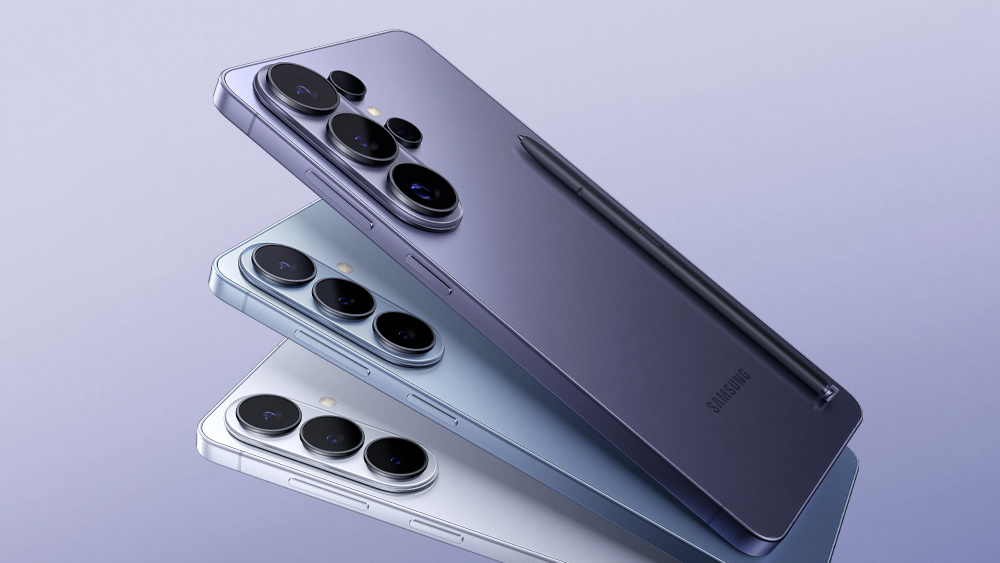
The world of smartphone technology is constantly evolving, and **Samsung** is once again in the spotlight as speculation arises about a potential redesign of its popular **Galaxy S** smartphone line. Known for maintaining a consistent aesthetic across its releases, recent insights suggest that Samsung may be preparing to shake things up, possibly as early as the **Galaxy S27**, which is anticipated to debut early next year.
Recent claims from a leaker known as **Lanzuk**, disseminated via the South Korean social media platform **Naver**, indicate that Samsung is considering significant design changes for its Galaxy S smartphones. This move could be driven by advancements in hardware components, particularly the **Qi2 magnetic wireless charger** and other associated magnetic accessories. Despite Qi2 being available for some time, Samsung notably did not integrate magnetic features into the newest **Galaxy S26** lineup, which was released earlier this year. According to an executive’s statement, the decision was made to incorporate these features into phone cases rather than the devices themselves, raising questions about user experience and future design choices.
However, Samsung faces a considerable hurdle as it navigates a global **RAM shortage** that could impede its plans for a revamped Galaxy S lineup. Reports from **9to5Google** highlight that ongoing supply chain issues may push the company to delay any substantial redesign to avoid escalating production costs. This situation has already led Samsung to hold off on various upgrades for the Galaxy S26 to manage expenses effectively. While this year's lineup did promise support for Qi2 charging, the focus remained predominantly on software rather than the hoped-for hardware enhancements.
Currently, the existing charging capabilities of the Galaxy S26 do support Qi2, but users must employ a compatible case featuring magnetic attachments to take full advantage of the wireless charging features. This requirement underscores a growing frustration among users who expect more seamless integration of technology in their devices.
The implications of Samsung's design choices extend beyond aesthetics. As competitors like **Apple** and **Google** continue to innovate with their respective smartphone lines, Samsung's potential redesign could not only impact its market position but also influence consumer expectations across the industry. A fresh design could reinvigorate interest in the Galaxy S line, especially if it offers improved functionality and user experience.
As we await more concrete details about Samsung's future plans, the potential redesign of the Galaxy S smartphones signifies a critical juncture in the ever-competitive smartphone market. It raises essential questions about how manufacturers will adapt to new technologies while balancing cost considerations. Whether Samsung succeeds in overcoming the challenges posed by the current RAM shortage remains to be seen, but the stakes are high as they aim to maintain relevance in a rapidly evolving landscape.
XRP Plummets Below $1.40: Is This the End for Investors? Shocking Truth Revealed!

You Won't Believe What This Tech School Revealed While Crafting a 10-Foot Acadian Sculpture!

Unlock Hidden Wealth: 5 Shocking Middle Eastern Dividend Stocks You Can't Afford to Miss!

Is Social Media Destroying Democracy? Obama’s Ex-Advisor Reveals Startling Truths You Can’t Ignore!

Harley-Davidson's Shocking Deal with Dickies Could Change Your Lifestyle Forever—Find Out How!
You Won't Believe What Happens When Access to This Page is Denied—Shocking Consequences Revealed!
You might also like: