
Cameroon's Opposition Leader Escapes to Gambia: Is This the Start of a Political Uprising?

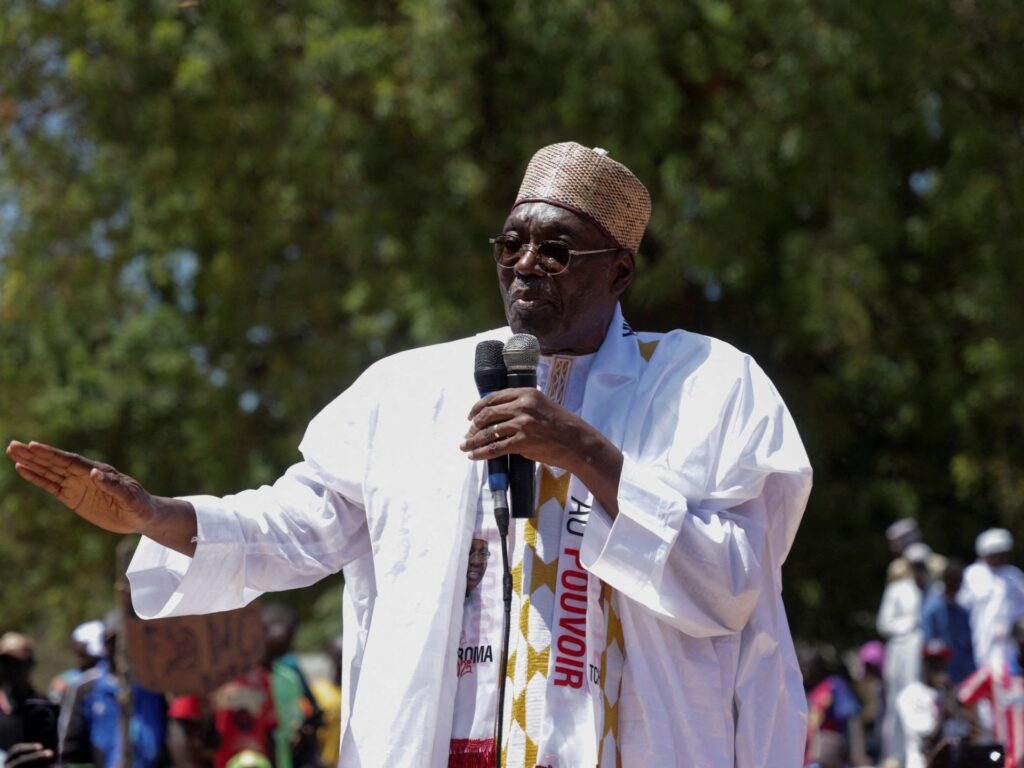
The Gambia hosts Issa Tchiroma Bakary after Paul Biya, Cameroon’s leader for 43 years, wins yet another election.
Published On 23 Nov 2025
In a significant turn of events following the recent presidential election in Cameroon, opposition leader Issa Tchiroma Bakary has sought refuge in The Gambia. His decision comes after a contentious election that saw Paul Biya, who has been in power for 43 years, secure yet another term amid widespread protests and allegations of electoral fraud.
On November 23, the Gambian government released a statement confirming that it was hosting Tchiroma “temporarily” on “humanitarian grounds.” The statement, shared on the Facebook page of President Adama Barrow, emphasized The Gambia’s commitment to pursuing a peaceful resolution to the escalating tensions in Cameroon following the disputed October elections.
In the election results, the 92-year-old Biya, the world’s oldest sitting president, was declared the winner with 53.7 percent of the vote, while Tchiroma, leading the Cameroon National Salvation Front, received 35.2 percent. Following the announcement, Tchiroma claimed that the voting process was marred by tampering, declaring himself the true victor. “This is not democracy, it is electoral theft, a constitutional coup as blatant as it is shameful,” he stated, calling on his supporters to protest.
In the wake of the election, protests erupted across Cameroon, resulting in violence. The government reported that at least five individuals were killed during these demonstrations, while opposition groups and civil society organizations allege that the death toll is significantly higher. The government has indicated plans to initiate legal proceedings against Tchiroma for his “repeated calls for insurrection,” further escalating tensions between the administration and opposition.
Biya’s tenure has been characterized by the suppression of political dissent, particularly against opposition figures such as Tchiroma. The long-serving leader rose to power in 1982 following the resignation of Cameroon’s first president and has maintained his position through a constitutional amendment in 2008 that abolished term limits. His governance style has drawn widespread criticism for its authoritarian nature, leading to calls for democratic reforms from both domestic and international actors.
The Gambian government's involvement in hosting Tchiroma is seen as a diplomatic effort to stabilize the situation in Cameroon, working alongside regional partners like Nigeria to foster a negotiated resolution. The larger implications of this political crisis resonate beyond Cameroon’s borders, as it raises critical issues regarding governance, electoral integrity, and human rights in a region grappling with similar challenges.
As the situation unfolds, the international community watches closely, particularly as The Gambia positions itself as a potential mediator in the growing unrest. Tchiroma's temporary asylum underscores the precarious state of political opposition in Cameroon and the lengths to which leaders must go to ensure their safety in the face of government repression.
NFL Week 12 SHOCKER: Colts vs Chiefs Ends in a BIZARRE Twist! You Won't Believe the Final Score!

Delivery Driver or Deceiver? How One San Francisco Robber Snatched $11M in Crypto—You Won't Believe the Details!

Satoshi Nakamoto's Bitcoin Wealth Plummets $41 Billion—Is He Now the New Broke Billionaire?

India and Australia Join Forces: Is This the Game-Changer in Creative Tech Education? Don't Miss Out!

Are You Ready for the SHOCKING Upsets in the 2025 FCS Football Championship? Discover the Must-See Matchups NOW!

You Won’t Believe What Happened in the Colts vs Chiefs Showdown—Shocking Stats & Highlights Inside!
You might also like: