
You Won't Believe What Happened to Nearly 1,000 People in South Carolina's Shocking Measles Outbreak!

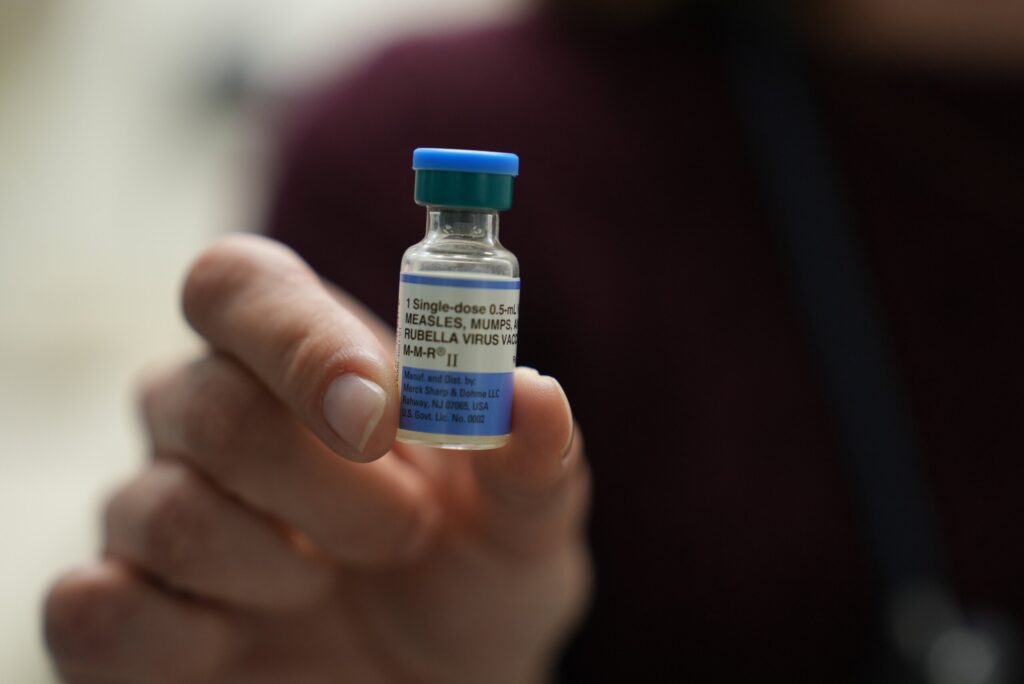
South Carolina's measles outbreak, which has become the worst in the United States in over 35 years, has officially ended, state health officials announced on Monday. The outbreak lasted from October to Sunday, during which 997 individuals were infected. Of those, at least 21 required hospitalization. A significant aspect of this outbreak was its containment to a specific area in northwestern Spartanburg County, sparing the rest of the state from widespread illness. This was attributed to timely public health efforts, including investigations and prompt quarantines.
Dr. Edward Simmer, interim director of the South Carolina Department of Public Health, emphasized that the outbreak was effectively localized, noting, “Thanks to timely investigations, identification of those exposed, and people’s willingness to stay home.” The financial burden of managing this outbreak was also considerable, with the response costing an estimated $2.1 million.
Measles is notoriously one of the most contagious viruses known to medicine. Most individuals recover after experiencing symptoms such as high fever, cough, runny nose, and the characteristic rash. However, the virus can lead to severe complications in vulnerable populations, including young children and individuals with weakened immune systems. These complications can include pneumonia and brain swelling, and in some cases, can be fatal. Vaccination is critical, as the measles vaccine is considered safe and is 97% effective after two doses.
Vaccination Rates Increased Amid Outbreak
The outbreak in South Carolina was particularly alarming, as it became the fastest-growing in the U.S. in decades. Public health officials reported over 650 cases in January alone, surpassing a previous outbreak in West Texas that involved at least 762 cases and resulted in two fatalities. However, the decline in cases came more quickly than anticipated, largely due to an increase in vaccination rates. From October to March, health workers administered nearly 82,000 measles vaccines, marking a more than 30% increase compared to the same period in the previous year. Spartanburg County alone saw a remarkable 94% increase in vaccinations.
In addition to promoting vaccination, the South Carolina health department took proactive measures to contain the virus. They issued nearly 2,300 quarantine letters, made over 1,670 case investigation calls, and coordinated quarantine efforts across seven school districts, affecting 874 students. These actions are credited with helping to curb the outbreak's spread.
Despite South Carolina's outbreak being contained, the national picture remains troubling. As of now, the U.S. has reported 1,792 cases of measles this year, which accounts for nearly 80% of the record-breaking total of 2,025 cases recorded last year. Additionally, there have been 22 new outbreaks across the country. States like Florida and Texas have seen significant case numbers, with 134 and 180 confirmed cases, respectively.
One of the most concerning ongoing situations is an outbreak along the Arizona-Utah border, which has spread throughout much of Utah, with 607 people infected since August. Mohave County in Arizona has also reported 282 cases. Experts believe that the outbreak may have originated earlier than indicated by genetic analyses, suggesting it could be larger than initially thought. Dr. Ellie Brownstein, a pediatrician in Utah, noted, “It has marched through the state and is everywhere.”
Back in South Carolina, although health officials have declared an end to the outbreak, vigilance remains crucial. Just last week, a new case linked to international travel was reported in Saluda County, prompting the quarantine of 41 individuals. Dr. Brannon Traxler, chief medical officer for the South Carolina health department, warned that the end of the outbreak should not lead to complacency among residents. She stated, “We are certainly not letting our guard down, and I don’t think that South Carolinians who are still vulnerable to the virus, that don’t have immunity, should let their guard down.”
This resurgence of measles in the Americas follows a major outbreak that began in Canada in the fall of 2024. In the U.S., vaccination rates have been declining in recent years, as more parents opt out of mandatory vaccinations for school attendance. The implications of this trend are dire, as the U.S. is at risk of losing its measles elimination status, a designation it has maintained since 2000. Dr. Martha Edwards, president of the South Carolina chapter of the American Academy of Pediatrics, expressed her frustration, stating, “I’m angry that many children and their parents had to worry about contracting or suffering through a disease that should have been nearly 100% preventable.”
You Won't Believe What Happens When You Try to Access This Secret Page—Thousands Are Already Missing Out!
Revealed: How a Shocking WHCD Shooting Exposed a $2 Million MAGA Media Scheme! Don’t Miss This!

WWE’s Ivy Nile Shocks Fans with Stunning Bodybuilding Win—You Won’t Believe the Details!

Health Revolution: 70% of Americans Are Ditching Gluten—Is Your Grocery List Next?

Will These 4 Michigan Wolverines Shock Everyone as Top Picks in 2027 NFL Draft?

Is the DC Dinner Shooting a Hoax? Social Media Buzz Soars as Users Uncover Shocking ‘Staged’ Claims!
You might also like: