Revealed: How a Shocking WHCD Shooting Exposed a $2 Million MAGA Media Scheme! Don’t Miss This!

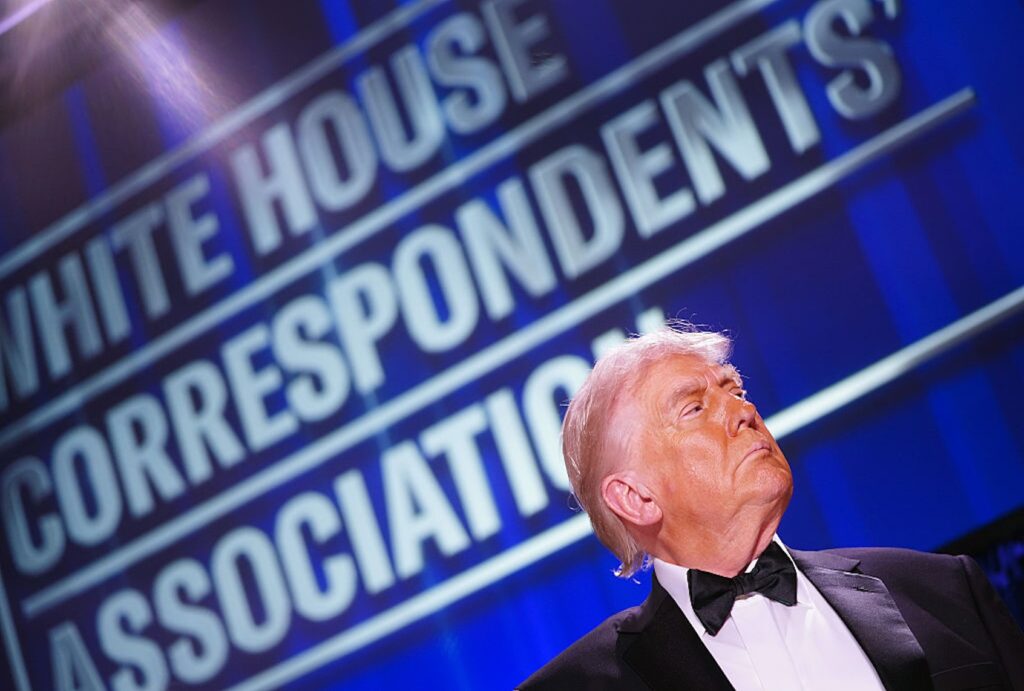
In the wake of a shocking incident at the White House Correspondents’ Dinner, where a gunman attempted to breach security, the response from pro-Trump influencers and officials was both immediate and coordinated. As news unfolded of the suspect, identified as 31-year-old Cole Tomas Allen from Torrance, California, charging at a security checkpoint armed with two firearms and multiple knives, a familiar narrative began to surface across social media platforms. Many in the MAGA movement swiftly concluded that it was time to push for the construction of a long-debated $400 million White House ballroom, which they argue is essential for security during high-profile events.
This marked a stark contrast to a previous incident in September when a gunman shot and killed conservative activist Charlie Kirk. In that case, the MAGA response leaned toward calls for political repression. However, following the attempted attack at the Washington Hilton, MAGA media quickly seized the moment, framing the incident as a justification for the ballroom's construction. Within hours, screenshots of pro-MAGA accounts echoing the same message circulated widely on X, previously known as Twitter.
“It’s time to build the ballroom,” tweeted Acting Attorney General Todd Blanche, who included a letter urging the National Trust for Historic Preservation to drop its lawsuit against the project. Former Attorney General Pam Bondi, recently dismissed by Trump, also weighed in, proclaiming, “We MUST have the Ballroom completed to protect POTUS and his guests.”
House Speaker Mike Johnson suggested on Fox News that the ballroom's planned “7-inch thick glass” would provide a “very safe environment” for such events. Even Democratic Senator John Fetterman from Pennsylvania aligned himself with the sentiment. The rapidity and uniformity of this response raises questions about the nature of political messaging in today’s media landscape.
The manner in which MAGA influencers rallied around this narrative was described by Ashley St. Clair, a former MAGA influencer who claims the movement's messaging is often coordinated through group chats. “All of MAGA is paid and they coordinate their messaging in lockstep via group chats,” she explained. St. Clair further noted that one of these chats is named “Fight Fight Fight,” a reference to past threats against Trump. These claims highlight the sophisticated digital infrastructure that now supports modern campaigns, where influencer culture intertwines with political advocacy.
Immediately following the attack, the MAGA apparatus not only pivoted to promote the ballroom but also shifted focus to culture wars. For example, actor Ben Stiller, while celebrating his team’s victory, tweeted “Got it done” just as news broke about the shooting. This innocuous post was misconstrued by MAGA figures, including Rep. Nancy Mace and Ric Grenell, as a tacit endorsement of violence. Even Democratic Rep. Alexandria Ocasio-Cortez faced backlash for expressing relief that the president and attendees were safe.
In a further attempt to leverage the situation, MAGA influencers lambasted comedian Jimmy Kimmel for his jokes prior to the shooting. Kimmel had quipped about First Lady Melania Trump in a manner deemed offensive by some, prompting calls for his dismissal from ABC. Following the incident, the First Lady herself joined the chorus, asserting that “people like Kimmel shouldn’t have the opportunity to enter our homes each evening to spread hate.”
As the dust settled, certain segments of the left indulged in their own conspiratorial theories, suggesting the shooting had been “staged.” Over 300,000 posts proliferated on X by midday Sunday, many fueled by skepticism about the MAGA push for the ballroom and misinterpretations of comments made by administration officials. Such a reaction reflects the divisive and often hyperbolic nature of contemporary political discourse, where coordinated messaging and conspiracy theories become intertwined.
This incident exemplifies the modern media environment, where MAGA influencers can swiftly manipulate narratives while opponents quickly gravitate toward conspiratorial thinking. The urgent calls for a ballroom, alongside the subsequent uproar over perceived political commentary, overshadowed the ongoing debate regarding gun control, leaving little room for a nuanced discussion on the matter. Instead, we are left observing a cycle where genuine acts of violence are leveraged to propel pre-existing agendas, often with serious implications for public discourse.
WWE’s Ivy Nile Shocks Fans with Stunning Bodybuilding Win—You Won’t Believe the Details!

Health Revolution: 70% of Americans Are Ditching Gluten—Is Your Grocery List Next?
Will These 4 Michigan Wolverines Shock Everyone as Top Picks in 2027 NFL Draft?
Is the DC Dinner Shooting a Hoax? Social Media Buzz Soars as Users Uncover Shocking ‘Staged’ Claims!
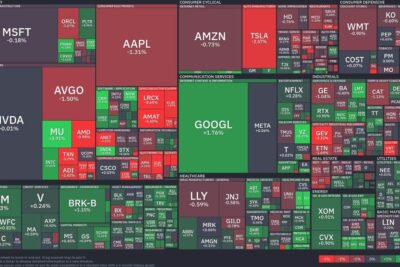
Google's Shocking Surge: How It’s Leaving Apple in the Dust—Are You Missing Out?
Marriott and Aloft Piantini Just Unveiled Shocking Perks in Santo Domingo—You Won’t Believe What’s Coming!
You might also like: