
This One Strength Training Secret After Menopause Could Add Years to Your Life—Don’t Miss Out!

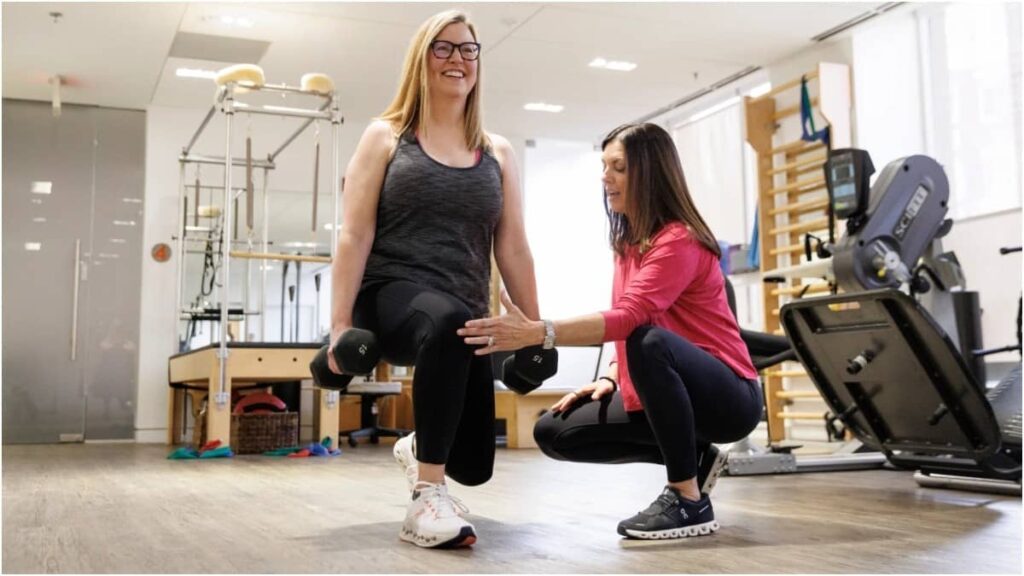
As women reach midlife, particularly around the age of 50, making a proactive assessment of health becomes paramount. Sarah Baldassaro, a 52-year-old resident of Alexandria, Virginia, is a testament to this. Upon turning 50, she took a moment to evaluate her fitness and enlisted the help of a fitness coach to focus on strength training. “Now I would say I’m stronger overall than I ever have been at any age,” she reflects. “My fitness level is much more like when I was in my early 30s.”
Medical professionals underscore the importance of strength training, especially for women post-menopause. According to Dr. Christina DeAngelis, an OB-GYN at Penn State Health, this type of exercise is vital for maintaining bone and muscle health. The loss of estrogen during menopause accelerates the reduction of bone density and contributes to muscle mass decline, making resistance exercises essential. Not only does strength training counteract these effects, but it also aids in weight management and helps individuals stick to their fitness resolutions.
So, what does a solid strength training regimen look like, and how can women get started?
📰 Table of Contents
Getting Started with Strength Training
Physical therapist Hilary Granat emphasizes the interconnection between bone and muscle health, stating that when muscles pull on bones during resistance training, it stimulates bone-building cells. Resistance can be achieved through various means, including dumbbells, free weights, or machines like rowers. One common exercise is the chest press, where the individual lies back on a bench or the ground and presses weights upward from chest level.
It's crucial to work “close to muscle failure,” Granat advises, pushing oneself adequately. This typically means lifting weights that feel challenging while performing between six and 30 repetitions. For instance, when doing a bicep curl, she suggests using weights between 5 pounds (2.3 kilograms) and 20 pounds (9.1 kilograms), depending on the individual's skill level. Baldassaro has progressed to lifting 20 pounds for certain exercises, integrating techniques from her coach, Granat. She notes that strength training has made a significant difference in her fitness, complementing her continued aerobic exercises.
For those without access to weights, strength training can still be effective. Exercises such as pushups, squats, lunges, sit-ups, crunches, and planks can all build muscle and bone health. Even the simple action of getting in and out of a chair can be beneficial. “You have to engage your core going from sitting to standing,” Dr. DeAngelis explains, which also helps improve coordination and balance.
Granat also introduces the concept of “impact training,” which incorporates activities like walking, hiking, running, jumping, skipping, and climbing stairs. A high-impact exercise example is the “rebound jump,” where individuals jump up and down from a step multiple times. She emphasizes that this doesn’t require intense effort—three sessions a week are sufficient.
The Importance of Balance
In addition to strength training, balance exercises are vital to preventing falls that could lead to fractures or breaks, particularly among middle-aged women. Activities such as tai chi, yoga, or simply standing on one leg while brushing teeth for about 30 seconds can enhance balance and stability. Experts assert that these exercises are beneficial for younger individuals as well, considering that bone mass peaks between the ages of 25 and 30, gradually diminishing after age 40.
After experiencing the transformative effects of strength training, Baldassaro encourages others: “Don’t wait. Get started.” With expert guidance and a commitment to fitness, women in midlife can significantly improve their strength, health, and overall quality of life.
Four Boston College Stars Shockingly Drafted: Who Will Change the NFL Forever? You Won't Believe #3!

Why Are Investors Divided? Shocking Truth Behind Startups' Tokenmaxxing Craze Revealed!

You Won’t Believe What I Saw on Stage with the President Last Night—The Shocking Truth Revealed!

Dallas Cowboys' SHOCKING Salary Cap Secrets EXPOSED After 2026 NFL Draft - Will They Keep Dak?
You Won’t Believe What Miami-Dade Schools Just Unveiled — This High-Tech Space Could Change Everything!

You Won't Believe the Shocking Details Behind Arsenal's Leaked 1994-Inspired Lifestyle Shirt!
You might also like: