
Why 50 Million Women in Africa Are Facing a Birth Control Crisis After US Aid Cuts!

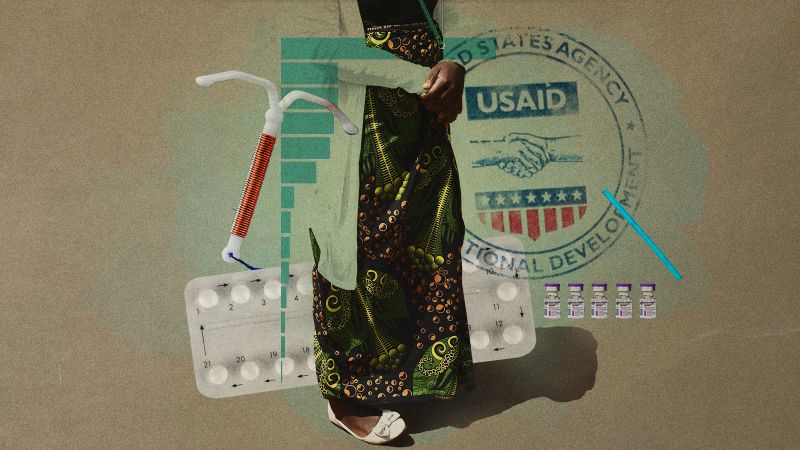
Nurse Kephine Ojung’a has witnessed a profound decline in women's reproductive health services in her nearly three decades of work in Kilifi County, Kenya. Over the past year, escalating cuts to U.S. aid programs have exacerbated the already precarious situation for women in the region. Ojung’a, who is affiliated with the nonprofit Reproductive Health Network Kenya, reported, “Each day in Kilifi, we count several unwanted pregnancies.”
Historically, U.S. funding has been a cornerstone for reproductive health care across developing parts of Africa, facilitating access to free birth control, maternity checkups, and mobile medical clinics. However, these vital services have vanished following the dismantling of the U.S. Agency for International Development (USAID) and significant reductions in family planning funding under the Trump administration.
Ojung’a noted a troubling trend: “We’ve seen cases that lead to death… and we are still yet to see more, coming with sepsis, coming with hemorrhage, coming with shock.” The crisis extends beyond Kilifi, as medical providers and nonprofits across six countries have reported layoffs, widespread shortages of birth control, and persistent supply chain issues, particularly in remote areas.
This crisis in family planning is the outcome of broader cuts by the U.S. and other donor nations. The International Planned Parenthood Federation has estimated that funding cuts have led to the closure of nearly 1,400 medical clinics globally, denying about 9 million people access to sexual and reproductive health services. The situation is expected to worsen as the Trump administration's budget proposal for fiscal year 2027 recommends additional cuts that would eliminate all reproductive health programs. The budget statement emphasizes the administration's intent to prevent any funding that supports “unfettered access to birth control.”
Nabeeha Kazi Hutchins, president of PAI, criticized the proposal, stating that it represents a “political ideology and not public health evidence,” marking a stark departure from previous bipartisan commitments to international family planning. In 2024, the U.S. contributed approximately 43% of global family planning aid, helping 47.6 million women access modern contraceptives, according to data from the Guttmacher Institute.
However, early in 2025, the Trump administration froze family planning grants previously administered by USAID. In July, Congress rescinded $500 million designated for these programs, and the administration halted contributions to the United Nations Population Fund, an agency dedicated to sexual and reproductive health. In this context, a significant amount of $9.7 million worth of contraceptives remained in warehouses in Belgium rather than being distributed to women in need.
Organizations working on the ground are sounding alarms about the implications of these funding cuts. Experts warn of severe consequences for the 41 countries that have historically relied on USAID support. For example, in Mozambique, aid workers reported a 7% increase in recorded teen pregnancies following cuts to services. Santos Simione, director of the Mozambican Association for Family Development (AMODEFA), noted, “Every percentage point of this increase represents girls dropping out of school, the perpetuation of the cycle of poverty, a rise in HIV infections, and an increase in child/early unions.”
In Malawi, the impact of losing mobile clinic care has been stark. Ulemu Kapile, a 24-year-old woman, expressed her frustration: “I waited for the clinic to come… but after the aid freeze, they never came back, and by the time I realized it, I was already pregnant.” This sentiment is echoed throughout the continent as medical providers report increasing numbers of unsafe abortions following the withdrawal of assistance and the resulting decline in available resources.
Aid workers fear that heavy staffing cuts are negatively affecting the care available to young women and expectant mothers. In Zambia, the executive director of the Centre for Reproductive Health and Education, Amos Mwale, highlighted the stark reality: “The quality is definitely compromised. You can’t have the same quality with two people working when you had six.” Pregnant women are now forced to travel longer distances and endure longer wait times for care.
Despite some stopgap funding from the International Planned Parenthood Federation, many areas have seen services shut down entirely. In fiscal year 2024, U.S. investments in global family planning programs are estimated to have prevented 17.1 million unintended pregnancies and 34,000 maternal deaths, while averting around 5.2 million unsafe abortions.
While Congress has recently approved additional funding for global health aid in fiscal year 2026, budget experts warn of a year-long lag before these funds can be utilized. Meanwhile, reproductive health advocates remain concerned that funding could be redirected or rescinded yet again, similar to the cuts experienced in 2025.
The U.S. State Department is currently reviewing family planning programs for the upcoming financial year, but the situation is critical. As the global family planning sector faces increasing pressure, women like Ojung’a are left to confront the grim realities of an expanding crisis in reproductive health care. “What is currently happening... sometimes makes me shed tears,” she lamented, as her clinic continues to turn away women desperate for care.
Trump's Shocking Crypto Conference Speech: What He Reveals Could Change Everything—Don't Miss Out!

Seahawks Shock Fans with 32nd Pick: Is RB Jadarian Price the Next NFL Superstar? You Won't Believe the Fallout!

Virginia Employers: Are You Prepared for These 5 Shocking Employment Law Changes? Don’t Get Left Behind!
Why 100 Million Kids Just Got Vaccinated—and What It Means for Your Child’s Future

Equity Lifestyle Properties Just Revealed SHOCKING Q1 Earnings—Investors Are RUSHING to React!
Kansas Governor's Race: Shocking Polls Reveal Who's Really Leading—You Won't Believe the Numbers!
You might also like: