
Is Your Job at Risk? Shocking Study Reveals How Climate Change Could Fry American Workers!

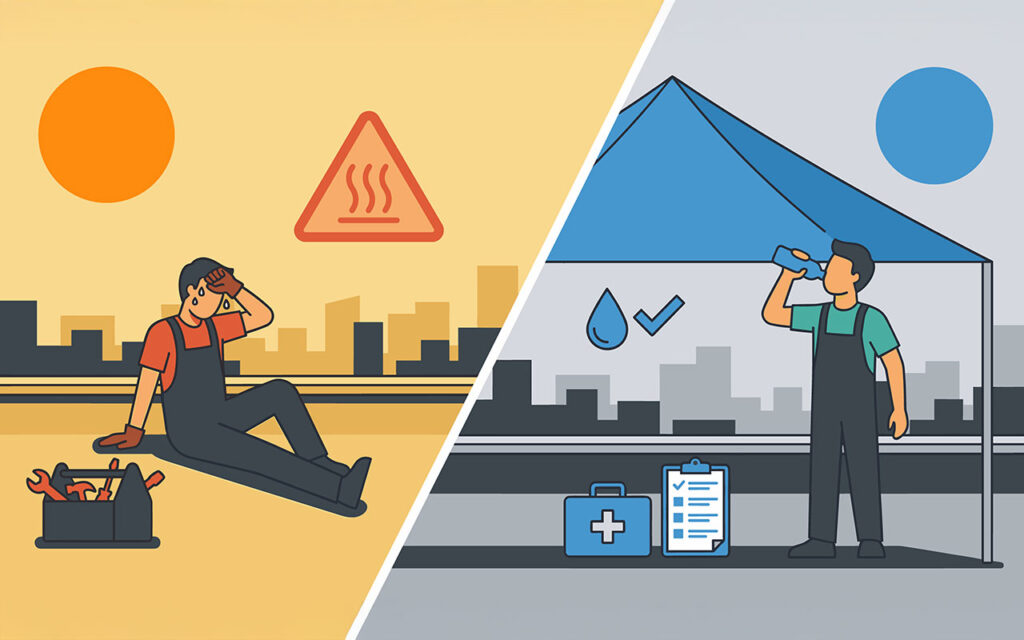
As the world increasingly grapples with the consequences of climate change, the United States is experiencing record-breaking heat waves that are significantly impacting both indoor and outdoor workers. This year’s Earth Day arrives on the heels of soaring temperatures that have swept across the East Coast, following similar extremes earlier in the West and Southwest. The urgency of addressing the risks posed by extreme heat in the workplace has never been more critical.
Data indicates that extreme heat exposure in outdoor occupations, such as agriculture and construction, is linked to approximately 28,000 worker injuries annually in the U.S. Furthermore, the dangers are amplified by rising temperatures; deaths among outdoor workers have jumped, averaging between 10 and 20 fatalities per 100,000 workers since 1999, with these numbers more than doubling over the past two decades according to the AFL-CIO. This stark reality underscores the need for effective workplace heat standards.
But it's not just outdoor laborers who are at risk. Indoor workers, including those in warehouses, kitchens, and factories, are also vulnerable. Research has shown that extreme heat can degrade cognitive function and decision-making capabilities, leading to accidents that may seem unrelated to temperature, such as mishandling machinery or falling from heights. This interconnectedness of workplace safety and climate change highlights the urgency for comprehensive heat protection measures.
As the Biden administration's proposed federal heat standards face potential rollback debates within the Trump administration, several states are stepping up. Currently, seven states, including California, have enacted workplace health and safety regulations specifically aimed at protecting workers from extreme heat. California’s experience offers valuable lessons in crafting effective policies. Initially, when California implemented heat standards for outdoor workers in 2005, these regulations were poorly structured, allowing employers to circumvent necessary improvements. Recognizing this shortcoming, California adopted a more robust initiative in 2010 that included educating workers about their rights, enhancing compliance among employers, and increasing enforcement efforts.
The revisions continued with further changes in 2015 aimed at closing loopholes regarding rest, water, shade, and enforcement, and in 2024, protections were extended to indoor workers. The outcomes have been significant: while there was no reduction in heat-related deaths from 2005 to 2010, a subsequent analysis revealed a 33% decrease in fatalities among outdoor workers from 2010 to 2015, and a remarkable 51% decrease between 2015 and 2020. This demonstrates how well-designed and enforced heat protections can save lives.
California’s approach serves as a model for other states and federal policymakers, highlighting that not all heat standards are created equal. The most effective regulations are those that are comprehensive, protecting both indoor and outdoor workers and instituting clear temperature triggers for when protections must be enacted.
The importance of heat standards extends beyond individual safety; they play a critical role in safeguarding the U.S. economy as a whole. Health-related issues stemming from heat exposure can lead to significant financial repercussions for individuals, including prolonged absences from work, lost wages, and soaring medical bills. Research indicates that non-elderly Americans who are hospitalized can experience average earnings losses up to 20% over subsequent years, a stark reality for those without health insurance, increasing their risk of bankruptcy.
The ripple effects of these economic consequences are profound. Households facing financial strain due to health shocks have less disposable income to circulate within their communities, which in turn slows down economic activity and harms local businesses. Additionally, these families may increasingly rely on government assistance programs—such as Unemployment Insurance and nutrition aid—which are already facing funding cuts from recent congressional budget bills.
As extreme heat events become more frequent and prolonged, it's imperative to prioritize workers' safety. The experiences of states like California can offer valuable guidance as we consider the potential for federal heat standards. Policymakers must take into account the well-being of workers affected by climate change and the broader implications for local and national economies. By learning from existing state-level heat protections, we can navigate the complexities of this issue and ensure that workers are adequately protected during increasingly severe heat waves.
In conclusion, effective heat standards are not just an issue of policy; they are a necessity for protecting lives, supporting economic resilience, and preparing for the ongoing challenges posed by climate change.
Dare to Dance? Discover How 5 Ordinary Social Media Stars Stole the Spotlight on NYC Stages!

You Won't Believe Which Real Estate Giant Just Claimed the #1 Spot in North America! Find Out Now!

Startups Ditching Humans for AI: Are They Really Spending 300% More? The Shocking Truth!

You Won't Believe What Grindr's Hosting at the White House Correspondents' Dinner—Shocking Details Inside!

Wildfire Smoke Poisoning America: Are You Breathing Toxic Air? Shocking Stats Inside!
Nigeria's Stock Market Surges 10%—But Why Are Investors Panic Selling? You Won't Believe the Reasons!
You might also like: