
Is Your Social Media Feed Controlling You? 5 Shocking Ways Algorithms Are Risking Your Life!

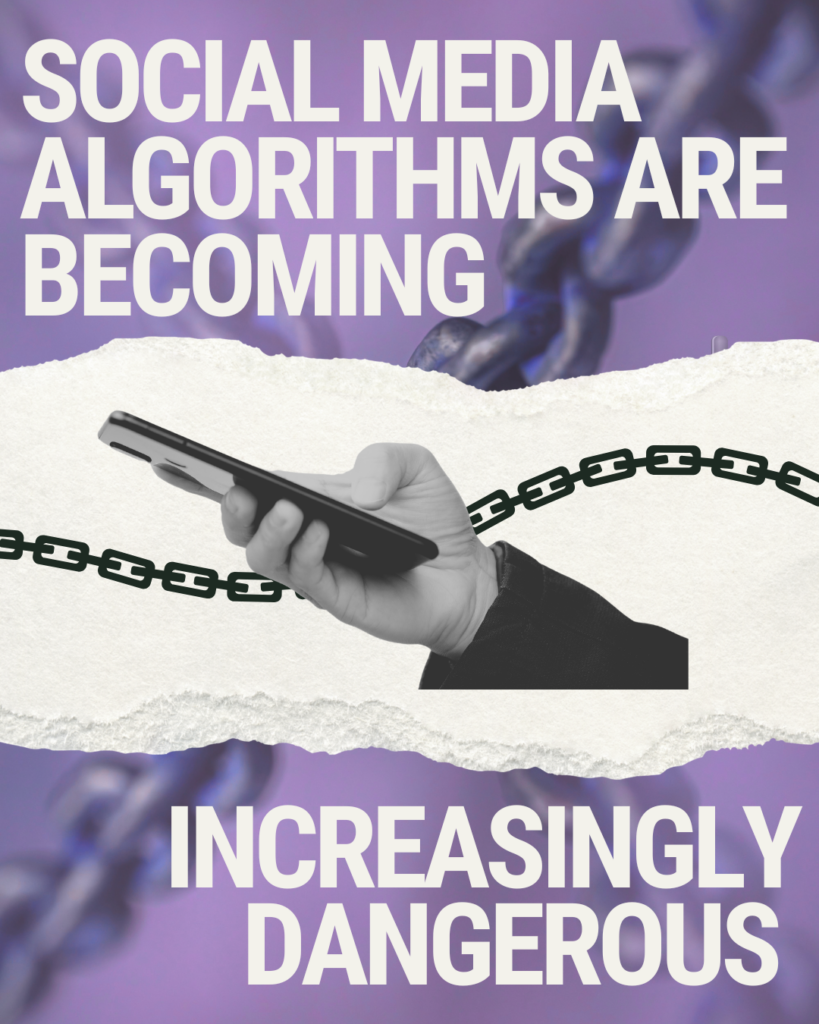
In today’s digital landscape, social media algorithms have become not just tools for connection but powerful forces that shape our behavior and influence how we communicate. Their grip on our lives is tightening, and many users find themselves grappling with feelings of anxiety and helplessness, as these algorithms dictate the information we consume and how we interact with others. While platforms once seemed like a way to enhance our social lives, they now often feel like a mechanism that limits our choices and diminishes our sense of control.
Personal anecdotes illustrate this shift. Many people experience a palpable sense of anxiety when their phones buzz, feeling compelled to check them as if missing a crucial piece of information. During social gatherings, it has become increasingly common for at least one person to be engrossed in their phone, scrolling through feeds while others attempt to engage in meaningful conversation. This phenomenon highlights a troubling trend: the pervasive influence of social media on our social behaviors and interactions.
The algorithms at work on these platforms create a personalized digital bubble for each user, constantly learning from their interactions to serve up content that captures attention. A study conducted by Columbia University revealed that engagement-driven algorithms tend to amplify emotionally charged content, often reinforcing users' existing perspectives while fostering negativity toward opposing views. This practice can create echo chambers, where users are rarely exposed to differing opinions, thereby stunting healthy discourse.
Jose Marichal, a professor of political science at California Lutheran University, explains that the design of these platforms rewards users for habits that may not be consciously chosen. He emphasizes a sociological concept known as habitus, which encompasses the set of practices that individuals cultivate based on societal rewards and punishments. Today, reaching for our phones has become a reflexive action, often triggered by moments of boredom or discomfort rather than a deliberate choice.
While users might feel in control of their social media engagement, Marichal argues that the reality is more complex. The platforms are essentially conducting an “auction for your attention,” where user engagement is sold to advertisers. These algorithms are engineered not to serve individual users but to maximize engagement for commercial gain. This raises critical questions about the true nature of control in the digital age.
The psychological costs of this relentless engagement are becoming increasingly evident. Anna Guerin, director of Counseling and Psychological Services at California Lutheran University, points out that the design of these platforms, particularly with the rise of short-form video content, fundamentally alters our brain’s reward system. “That type of content is so short-form that we’re training our brains to get essentially dopamine hits every 30 seconds,” she explains. This shift has led to shorter attention spans, as individuals become accustomed to consuming quick bursts of content rather than engaging in sustained focus activities like reading or research.
Research published on Semantic Scholar links high exposure to algorithm-driven content with diminished attention spans and weakened social skills. A study featured in the Global Journal of Multidisciplinary Studies found that teenagers exposed to high levels of algorithm-driven content experienced a staggering 38% drop in their attention spans and a 94% increase in anxiety scores compared to their peers with lower exposure.
As a college student, I can attest to witnessing my peers increasingly turning to their phones in social settings. Many have admitted to losing sleep while scrolling late into the night. However, there is a growing movement among users seeking to reclaim control over their digital lives. Research from the University of Bath shows that even short breaks—just one week—away from social media can lead to significant improvements in overall well-being, depression, and anxiety levels.
Marichal notes that the increasing number of people trying to escape the clutches of social media is telling. “We wouldn’t have a resistance movement if it didn’t feel to people that they were not in control of their digital lives,” he asserts. To regain this control, Guerin suggests implementing practical strategies such as setting screen time limits, finding alternative activities, and engaging with accountability partners. One effective tactic I’ve discovered is simply deleting the app altogether.
Guerin emphasizes that while many use their phones as a break, they often do not provide the mental rest users seek. Instead, she advises opting for simple activities like going for a brief walk, looking out the window, or even sipping a cup of tea. It’s about creating a plan for what to do instead of defaulting to the digital world.
As we navigate this complex relationship with social media, it’s crucial to recognize the profound impact algorithms have on our lives. With understanding and intentional action, users can strive to reclaim their attention, foster genuine social connections, and ultimately take back control of their digital lives.
Is This Startup Poised to Outshine Palo Alto Networks and CrowdStrike? Shocking Secrets Inside!

Kmart's Winter Secret: This Shocking WFH Hack Could Change Your Life—Are You Missing Out?

Nikkei Soars 3% Amid Tech Boom While Europe Dips – What’s Next for Your Investments?

2026 NFL Draft: You Won't Believe Which RBs Could Make or Break Your Team!

Virginia's Election Day Showdown: What They Don't Want Voters to Know!
The Shocking Truth: This ONE Mid-Range Smartphone Will Leave You Speechless in 2026!
You might also like: