
Greece's Shocking Social Media Ban for Kids Under 15: What Parents Must Know Now!

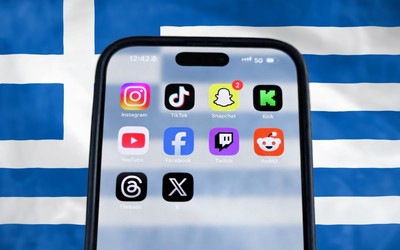
In a significant move aimed at enhancing the safety of minors online, Greece has announced plans to ban social media access for children aged 15 and under. This decision, made public by Prime Minister Kyriakos Mitsotakis, is part of a broader push to pressure the European Union to establish formal age restrictions across its 27 member states. Greece is following in the footsteps of France, which implemented a similar ban earlier this year.
The proposed legislation targets popular social media platforms such as Facebook, Instagram, and TikTok, all of which allow users to create profiles and share content. Once the law is enacted, these platforms will be held accountable for verifying the ages of all users in Greece to prevent those under 15 from accessing their services. The enforcement of this law will primarily involve ensuring compliance among social media companies, with violations reported to the appropriate authorities, either in the country of the platform’s origin or to the European Union’s executive body.
Fines for non-compliance could be substantial, reaching up to 6% of a company's global turnover. Continuous daily fines may accrue until compliance is achieved, and companies could face operational restrictions if they fail to adhere to the new regulations.
In a video message directed at children, Mitsotakis explained the rationale behind the ban, citing concerns raised by both parents and young people regarding the mental health impacts of excessive social media use. He stated, “I’m certain that many young ones will be angry. If I was at your age, perhaps I’d feel the same way too. But our role, my role isn’t always to be pleasant.” Mitsotakis emphasized that the intention behind the legislation is not to discourage technology but to protect young people from the “addictive design” of certain social media platforms, which he claims often lead to increased stress, anxiety, and sleeplessness.
The prime minister firmly believes that, “If something makes us feel more anxious or worse, lesser than who we really are, then it’s perhaps best that we put a stop to it.” He argued that the profit models of these platforms, which thrive on the amount of time users spend glued to their screens, compromise the innocence and freedom of young individuals.
The anticipated timeline for the introduction of this law is during the summer, with full implementation scheduled for the first day of the new year.
This decision by Greece has sparked discussions about the responsibilities of social media companies in safeguarding the mental well-being of young users and the broader implications of government interventions in digital spaces. Advocates for children’s rights and mental health argue that such regulations are necessary in an age where digital interactions are pervasive. However, critics may question the effectiveness of age verification systems and the potential for overreach in government regulations.
The conversation around social media use among children is particularly relevant in the United States, where debates continue regarding the impact of screen time on mental health and the responsibilities of tech companies. As Greece moves forward with its plans, it may serve as an important case study for other countries grappling with similar issues in the ever-evolving landscape of social media.
Laid Off Engineer Turns Bike Taxi Driver to Save $1.7 Million Home—What Happened Next Will Shock You!

DNA Breakthrough: Could This New Tech Finally Unravel the 40-Year-Old Guthrie Mystery?

Is Madison About to Count Ballots Delivered After 8 PM? Shocking Consequences Could Follow!

Europe's Shocking Strategy to Combat Social Media Addiction: Will the US Fall Behind?

Shocking Truth: Why Thousands of Babies Are Vulnerable to Measles—Are Yours at Risk?

Vietnam's Low-Altitude Economy is Booming—Are You Missing Out on This $10 Billion Opportunity?
You might also like: