
FBI's Shocking Signal Recovery: What They Found Will Leave You Speechless! Are You Safe?

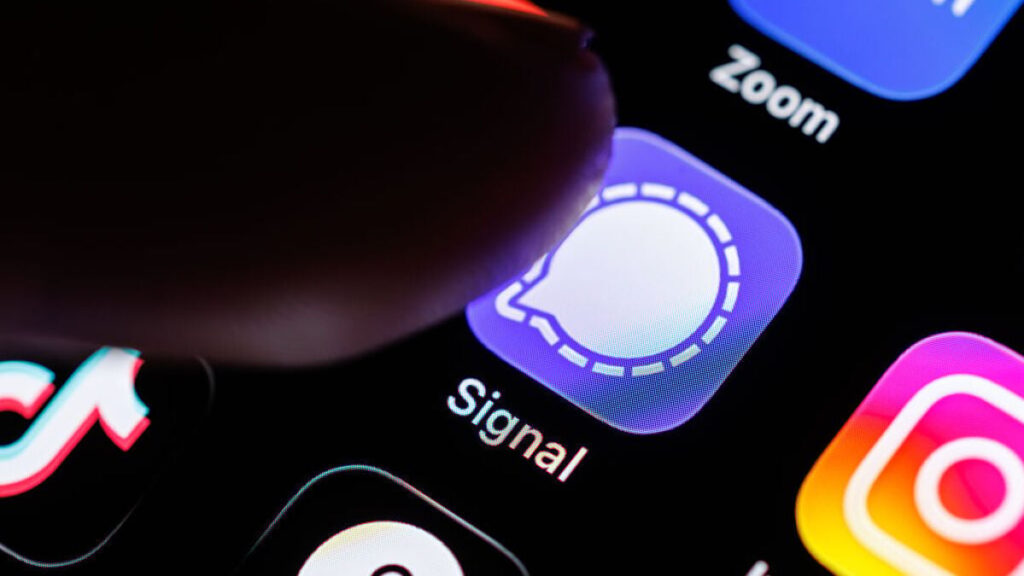
The Signal messaging app has long been a go-to platform for those prioritizing privacy and security in their communications. Its robust end-to-end encryption is designed to ensure that only the sender and receiver can access messages. However, a recent incident has raised questions about the effectiveness of this encryption, particularly in the face of law enforcement scrutiny.
This week, 404 Media reported that the FBI successfully accessed a suspect's Signal messages, despite the app's reputation for secure communication. This revelation is troubling for users who rely on Signal for discretion, as the app is known for its disappearing messages feature and the ability for users to delete conversations entirely.
So how did the FBI manage to circumvent Signal's encryption? The answer lies in the iPhone's architecture. According to reports, the agency was able to extract the relevant messages from the phone's push notification database. When messages appear as push notifications, they bypass the app's encryption protections, allowing third parties to potentially read them. This vulnerability extends beyond Signal; any application utilizing push notifications could present similar risks.
Considering the implications of this breach, users may wonder about their privacy. Fortunately, there is a workaround. Signal offers a setting that allows users to limit the information displayed in push notifications. To activate this feature, users can navigate to the Settings menu in the app, tap their profile picture, select the "Notification" section, and then choose "Notification Content." By selecting "No Name or Content," notifications will still appear, but without specifics about the messages received. This means that if someone were to access your phone—whether law enforcement or others—there would be no message content visible without opening the app itself.
This level of control is essential, especially in a climate where privacy concerns are mounting. With increasing scrutiny from law enforcement and advancements in technology that can compromise data, users need to be proactive about securing their communications. One might argue that these privacy settings should be enabled by default, given the potential for misuse.
This incident serves as a stark reminder for users to regularly review their app settings and understand the potential vulnerabilities in their communication methods. While Signal remains a strong option for secure messaging, no platform is entirely foolproof—especially when additional features, like push notifications, can inadvertently create loopholes. As technology continues to evolve, maintaining awareness and employing protective measures will be vital for safeguarding personal privacy.
Melania Trump's Jaw-Dropping Epstein Revelation That Left White House Aides Speechless! What Did She Say?

Apple's Shocking Q1 Triumph: How They Dominated the Smartphone Market Amid a 15% Shipping Plunge!

Detroit's Housing Market COLLAPSES: Prices Plunge 30%! Is Your Dream Home at Risk?

CVS Stock Dilemma: Are You Missing Out on a Hidden $79 Opportunity Amidst Shocking Earnings?

Idaho's Shocking New Law: Kids Need Parental Consent for Social Media—What Parents MUST Know!

The Shocking Truth About When New Episodes Drop - You Won't Believe the Dates!
You might also like: