
Apple's Shocking Q1 Triumph: How They Dominated the Smartphone Market Amid a 15% Shipping Plunge!

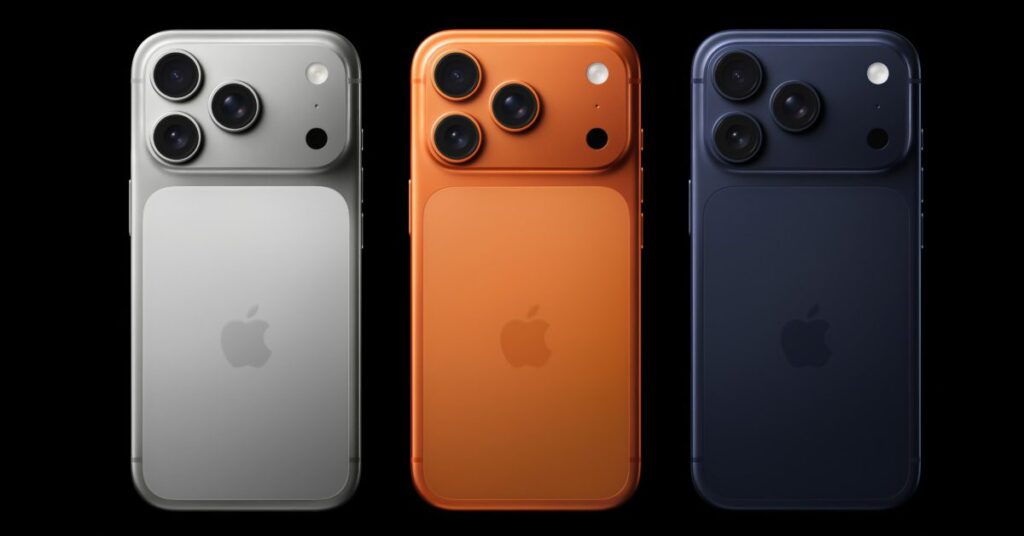
The latest report from Counterpoint Research reveals significant news for the smartphone market: Apple has achieved the top spot in global smartphone shipments for the first time during a first quarter, thanks largely to the robust demand for the iPhone 17. The report, detailing Q1 2026 performance, highlights how Apple managed to grow its global smartphone shipments by 5% year-over-year, even as the overall market faced declines, with some competitors experiencing drops of up to 19%.
Apple's Resilience Amid Market Challenges
Apple's rise in market share is noteworthy, as the company secured a 21% share of global shipments during this period. This growth comes despite a challenging environment characterized by a DRAM and NAND memory shortage that has forced other manufacturers to scale back production and raise prices, ultimately cooling consumer demand. According to Counterpoint, Apple has demonstrated remarkable insulation from these supply chain issues, thanks to its ultra-premium positioning and a highly integrated supply chain.
“Apple led the global smartphone market for the first time for a Q1, achieving 21% market share and 5% YoY growth in Q1 2026,” the report states. “Continuous strong demand for the iPhone 17 series and aggressive trade-in programs, along with ecosystem stickiness, drove overall volume growth despite a softer macro environment.”
The report underscores the influence of “ecosystem stickiness,” which refers to the tendency of customers to remain within the Apple ecosystem due to its seamless integration across devices and services. This factor appears to have significantly contributed to the ongoing demand for Apple products, particularly in key Asia-Pacific markets, including China, India, and Japan.
In contrast, the broader smartphone market is experiencing difficulties. Various original equipment manufacturers (OEMs) are grappling with the ongoing memory crisis and the subsequent need to pass along increased costs to consumers. This has resulted in diminished demand and sales. While some companies, like Google and Nothing, reported year-over-year growths of 14% and 25%, respectively, their total volumes remain insufficient to break into the top five rankings, placing them in the “Others” category.
Analyzing the top five smartphone manufacturers, Samsung follows closely behind Apple with a 20% market share, but it also reported a year-over-year decline of 6%. Other key players include Xiaomi at 12% with a 19% drop, OPPO with an 11% share and a 4% decline, and vivo rounding out the list with an 8% share and a 2% drop. The remaining OEMs collectively accounted for 28% of the market, reflecting a 10% decrease.
Looking ahead, Counterpoint's outlook for 2026 remains cautious, indicating that the ongoing memory crunch may persist until late 2027. This uncertain environment is forcing OEMs to prioritize value over volume, focusing on configuration updates, cutting low-margin models, and leveraging refurbished devices to cater to budget-conscious consumers.
As Apple solidifies its position as a market leader, the implications of these developments extend beyond mere numbers. With a strategic focus on high-end devices and customer retention through its ecosystem, Apple not only navigates current market challenges but also sets a precedent for future growth amid a landscape of increased competition and shifting consumer preferences.
Detroit's Housing Market COLLAPSES: Prices Plunge 30%! Is Your Dream Home at Risk?

CVS Stock Dilemma: Are You Missing Out on a Hidden $79 Opportunity Amidst Shocking Earnings?

Idaho's Shocking New Law: Kids Need Parental Consent for Social Media—What Parents MUST Know!

The Shocking Truth About When New Episodes Drop - You Won't Believe the Dates!

Ella Langley's New Album Drops Today—Find Out Which Celebrity Almost Collabed But Backed Out!

Arizona's Shocking New Drone Law: How It Could Impact Your Favorite Concerts!
You might also like: