
White House Issues Urgent Warning: Is Insider Trading on Prediction Markets More Common Than You Think?

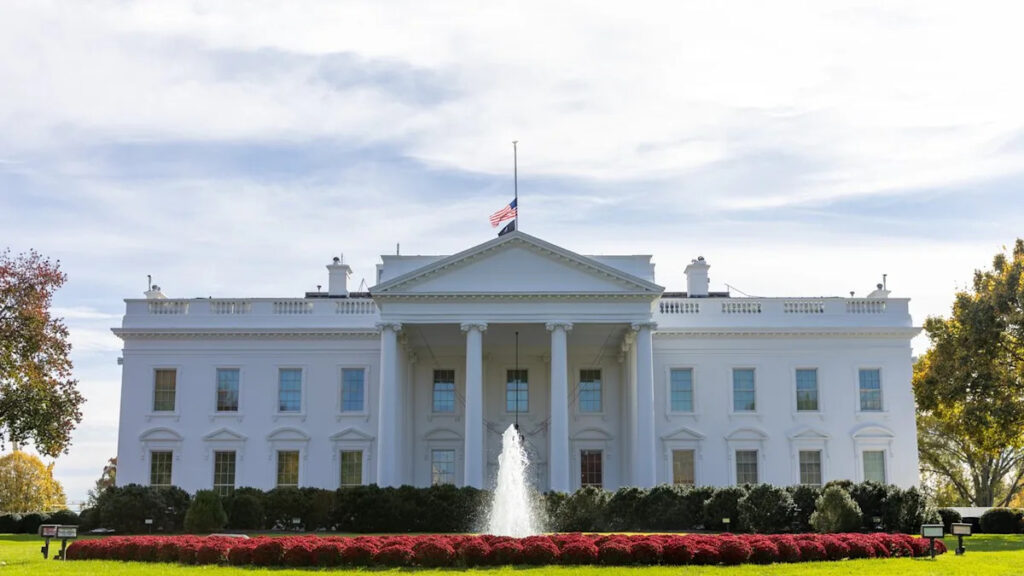
The White House has issued a stern reminder to staff members about the ethical boundaries surrounding the use of nonpublic government information, particularly in relation to prediction markets. An internal email sent on March 24 by the White House Management Office cautioned against betting on future events using insider information, emphasizing that such actions could lead to criminal penalties.
This warning follows a notable spike in trading activity on futures markets just before President Donald Trump announced a pause in military strikes against Iran on his Truth Social platform. According to CBS News, oil futures contracts worth more than $760 million were traded within a mere two minutes before the announcement, raising eyebrows about the timing of these trades.
David Ingle, a White House spokesman, confirmed the authenticity of the email and reiterated Trump's message that officials must not exploit confidential information for personal financial gain. He dismissed any insinuations that White House officials acted improperly as "baseless and irresponsible."
A senior administration official described the email as a timely "refresher," noting that unusual activity in prediction markets has garnered significant media attention. Despite the concerns, the White House insists there is no evidence to suggest that insider information was used by any administration officials to place bets on these markets.
Recent reports indicate that three accounts on the prediction platform Polymarket collectively earned over $600,000 by accurately betting on the timing of an Iranian cease-fire. Such instances have intensified scrutiny of prediction market platforms, including Kalshi and Polymarket, which allow users to anonymously wager on global events.
Democratic lawmakers have raised concerns about the regulatory framework governing these prediction markets, suggesting it is too lenient. Legislation introduced last month by Senators Richard Blumenthal and Andy Kim aims to prohibit prediction market contracts related to armed conflicts or military operations. Kim has articulated that "corruption and exploitation are thriving right now within the gaps and loopholes of prediction markets."
This situation is not isolated; other prediction market bets have also drawn scrutiny. For instance, a Polymarket account named "Magamyman" turned an $87,000 bet into more than $553,000 by wagering on U.S. military strikes against Iran just 71 minutes before news broke about those attacks. Additionally, a blockchain analytics firm, Bubblemaps, identified six accounts suspected of insider trading that collectively profited $1.2 million on Polymarket ahead of these strikes. Earlier this year, a bettor on Polymarket made over $400,000 by betting on the ousting of Venezuelan President Nicolás Maduro, placing the wager less than five hours before the event occurred.
Currently, prediction markets fall under the regulation of the Commodity Futures Trading Commission (CFTC). Existing ethics regulations prohibit federal employees from leveraging government information for personal enrichment, and separate rules also restrict gambling on federal property. As scrutiny of these platforms intensifies, it remains to be seen how lawmakers may seek to tighten regulations and mitigate potential conflicts of interest in the future.
This Shocking Secret Behind "Unavailable for Legal Reasons" Will Leave You Speechless! Discover What They’re Hiding!
Apple's Shocking Q1 2026 Victory: You Won't Believe How They Beat Samsung by 30%!

Swedish Outdoor Groups Launch SHOCKING Strategy to Influence 2026 Election—Are You Ready?

Apple’s Shocking Smartphone Dominance: Why Their Market Share is Surging While Others Plummet!

Social Media Giants Face $1 Billion Lawsuits! Is Your Freedom of Speech at Risk?

Samson Mow's Shocking Take on Bitcoin's Quantum Threat: Are You Safe? Find Out NOW!
You might also like: