
Apple's Shocking Q1 2026 Victory: You Won't Believe How They Beat Samsung by 30%!

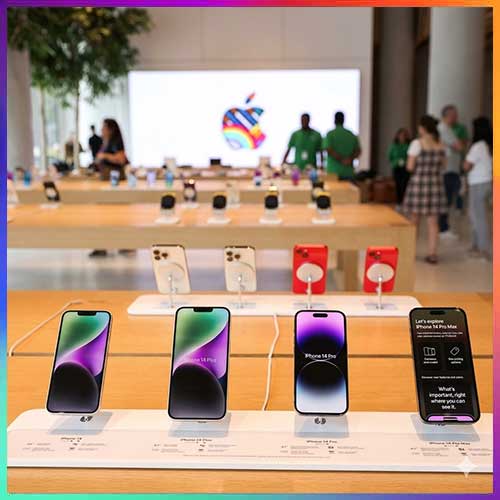
Apple has secured its position as the world’s leading smartphone vendor in the first quarter of 2026, marking a notable achievement amid a general downturn in global smartphone shipments. According to data from Counterpoint Research, Apple achieved a 5% year-on-year increase in shipments, capturing a significant 21% market share. This marks the first time the company has topped the market during a first quarter, underscoring its robust performance in a challenging environment.
The growth in Apple's shipments is largely attributed to its strong premium positioning and an integrated supply chain that has enabled it to respond effectively to consumer demands. Particularly noteworthy is the surge in iPhone sales in China, where sales increased by 23% in the early weeks of the year. This region continues to be a crucial market for Apple, contributing significantly to its overall success.
In stark contrast, global smartphone shipments experienced a 6% decline compared to the same period last year. This downturn has been exacerbated by shortages in memory components, which have affected production schedules, coupled with a weakening consumer sentiment influenced by geopolitical tensions in the Middle East. These factors have cast a shadow over the smartphone market, leading to cautious spending among consumers.
Following Apple, Samsung slipped to second place with a 20% market share after experiencing a 6% year-on-year decline in shipments. The company attributed its struggles to delays in the launch of its Galaxy S26 and a weaker performance in the entry-level segment—areas where competition has intensified.
Xiaomi, the third-largest smartphone manufacturer, retained its position despite recording the steepest drop among the top five brands during the quarter, reflecting broader challenges across the industry. Analysts note that the declines among these manufacturers indicate a significant shift in the semiconductor sector, where memory suppliers are increasingly prioritizing high-demand applications for AI data centers over consumer electronics. This transition is shifting the landscape of the smartphone market, further complicating the recovery for companies reliant on lower-end devices.
The results from this quarter highlight a diverging trend within the smartphone market. While overall demand remains under pressure, premium segments appear to be more resilient, with consumers willing to invest in high-quality devices. This trend aligns with the broader market sentiment that values quality and performance over quantity, suggesting that companies may need to rethink their strategies to cater to evolving consumer preferences.
As the smartphone market adapts to these challenges, companies will need to navigate geopolitical influences and supply chain constraints while also focusing on innovation to maintain their competitive edge. With Apple leading the charge, the implications for the future of the smartphone industry will likely center around the premium segments, which continue to show resilience during a time of uncertainty.
Swedish Outdoor Groups Launch SHOCKING Strategy to Influence 2026 Election—Are You Ready?
Apple’s Shocking Smartphone Dominance: Why Their Market Share is Surging While Others Plummet!

Social Media Giants Face $1 Billion Lawsuits! Is Your Freedom of Speech at Risk?

Samson Mow's Shocking Take on Bitcoin's Quantum Threat: Are You Safe? Find Out NOW!

Lions Eye Arizona State OT—Could This Shocking Move Change Their Season Forever?

AI is Taking Control of Your Health Coverage—What They Aren't Telling You Could Cost You Everything!
You might also like: