
Swedish Outdoor Groups Launch SHOCKING Strategy to Influence 2026 Election—Are You Ready?

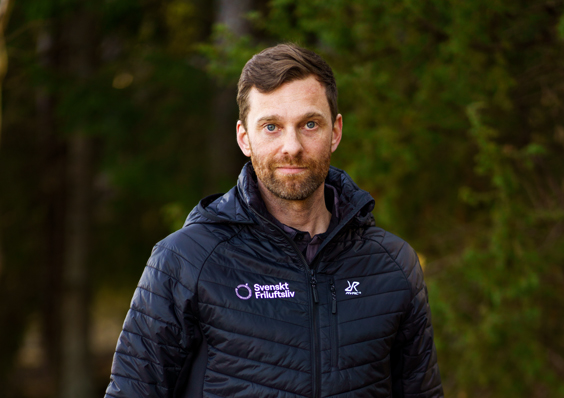
As Sweden gears up for its general elections in September 2026, an unusual yet important issue is garnering attention: outdoor recreation. Historically sidelined in political discussions, this topic is now being championed by a coalition of 28 organizations dedicated to promoting nature and outdoor activities.
With a population of 10.7 million, approximately 2 million Swedes are affiliated with groups focused on outdoor recreation and nature. This significant number highlights the potential political weight such issues could carry. According to Mathias Mellgren Helge, the Head of Communications and Public Affairs at Svenskt Friluftsliv, which includes the Scouts, the Outdoor Association, and the Anglers Association among its members, the movement has historically kept a low profile. "While sports facilities are seen as important for public health, hiking trails can fall into disrepair without decision-makers reacting," he explains. "Everyone agrees it would be beneficial to get children and young people out into nature, but how do we actually make it happen?"
In response to this challenge, Svenskt Friluftsliv has compiled a platform based on insights from its members, aiming to elevate outdoor recreation issues to the forefront of political discourse through strategic advocacy and lobbying efforts. This initiative includes the launch of an "Election Compass," designed to engage not only their members but also the broader public in influencing elected representatives.
Political Shifts and New Proposals
The outdoor movement has already seen some promising developments in the lead-up to the elections. In January, the Moderate Party, the largest party in the current government, unveiled a comprehensive policy program for outdoor recreation that includes 38 proposals. This marks a significant milestone, as it is the first time a major Swedish political party has dedicated itself to outdoor recreation in such detail.
The proposals within this program are ambitious. They call for mandatory outdoor days in primary schools, enhanced awareness of the public's right to access nature, and improved accessibility to natural spaces in urban areas. "That the Moderate Party is presenting a policy program for outdoor recreation is a significant step forward," noted Josefine Åhrman, Secretary General of Svenskt Friluftsliv. "We now hope that more parties will follow suit and clarify their ambitions ahead of the election this autumn."
It’s worth mentioning that the current government began its term under a cloud of significant cuts to nature conservation and outdoor recreation funding. However, it has somewhat reversed course, allocating an additional SEK 130 million (approximately €12 million) for natural areas, which will help in upgrading hiking trails and maintaining national parks and nature reserves.
This shift in political focus not only reflects a growing acknowledgment of the importance of outdoor spaces, but it also suggests a potential shift in voter priorities. As more citizens express their desire for better access to nature and outdoor activities—factors known to contribute positively to mental and physical well-being—politicians may find that supporting outdoor recreation resonates well with a broad electorate.
As Sweden approaches its election date, it will be interesting to observe how these developments influence the political landscape. With outdoor recreation finally receiving the attention it deserves, the potential for positive change in both public health and environmental sustainability is greater than ever. Whether this renewed interest translates into actionable policies and funding remains to be seen, but the groundwork is clearly being laid for a future where nature is acknowledged as an essential component of daily life in Sweden.
Apple’s Shocking Smartphone Dominance: Why Their Market Share is Surging While Others Plummet!

Social Media Giants Face $1 Billion Lawsuits! Is Your Freedom of Speech at Risk?
Samson Mow's Shocking Take on Bitcoin's Quantum Threat: Are You Safe? Find Out NOW!
Lions Eye Arizona State OT—Could This Shocking Move Change Their Season Forever?

AI is Taking Control of Your Health Coverage—What They Aren't Telling You Could Cost You Everything!
You Won't Believe How One Pennsylvania Center is Transforming Outdoor Adventures for Everyone!
You might also like: