HMSA & Hawaiʻi Pacific Health's Shocking Move: What Could This Mean for Your Health Coverage?

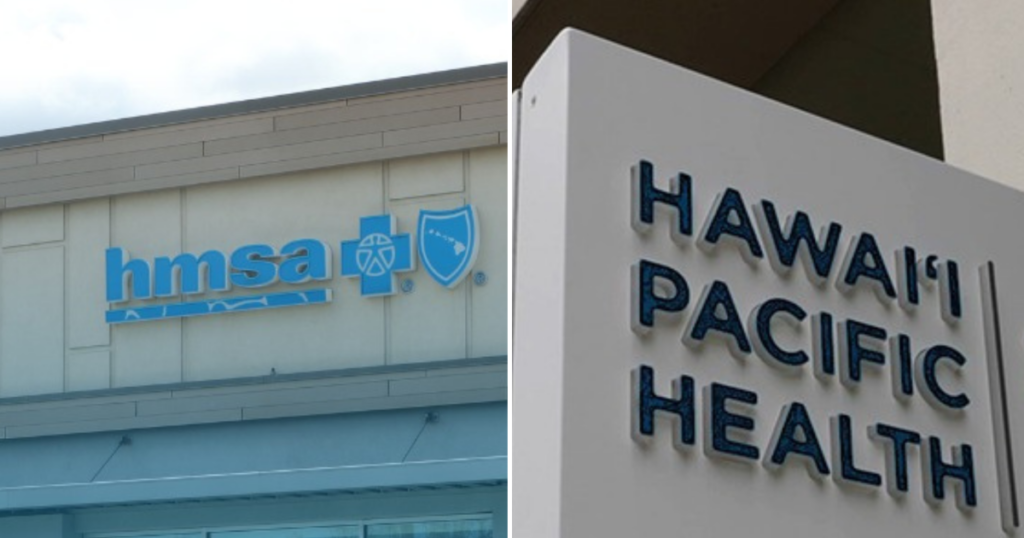
HMSA (Hawaiian Medical Service Association) and Hawaiʻi Pacific Health (HPH) have filed a formal proposal with the Department of Justice (DOJ) to merge and establish a new organization named One Health Hawaiʻi. This significant integration aims to reshape health care delivery in the state, but it is under intense scrutiny from lawmakers and health system leaders across Hawaiʻi.
The DOJ's decision could come as early as next month, but officials warn that the review process may extend for up to a year. Initially, the DOJ will assess the filing over approximately 30 days, during which interviews with involved parties are already underway. Depending on the outcome, the DOJ may either grant clearance for the merger or take further action, which could include filing a federal lawsuit to block it.
📰 Table of Contents
Transparency Questions Arise
Currently, the specifics of the filing are not publicly accessible, which has raised concerns among state lawmakers. Leaders from both HMSA and HPH faced questioning regarding the potential impacts of this integration, yet they were constrained by confidentiality clauses surrounding the DOJ’s review. According to HMSA CEO Mark Mugiishi, “the reason why the documents are not public is because in order to generate a credible business plan, we literally threw all our data in there.” He emphasized that this proprietary information is crucial for regulatory analysis.
What has been disclosed is the proposed governance structure of One Health Hawaiʻi, which would feature a 13-member board consisting of Mugiishi, HPH CEO Ray Vara, three members each from HMSA and HPH, and five representatives from the community. This structure aims to ensure a balance of interests among stakeholders.
Simultaneously, state regulatory bodies, including the attorney general and the Hawaiʻi Department of Health, are beginning their evaluations of the merger. These state reviews may be somewhat expedited compared to the DOJ’s process and could involve public hearings.
Concerns from Competitors
One of the most pressing concerns raised by lawmakers and competing hospitals, particularly Queen's Health Systems, is the potential for market manipulation. Critics argue that the integration could result in a concentration of commercial patients—who typically carry better insurance and are healthier—into HPH’s system, leaving Queen's to care for a disproportionate number of vulnerable patients reliant on Medicare and Medicaid. This shift could lead to increased operational costs for Queen's and inflation in healthcare pricing overall.
“We believe that this really is about having access to commercial patients. And what happens is if you have better access to commercial populations, commercial patients, then everybody else is left to pick up the pieces and the whole health system inflates,” stated Queen's Health Systems CEO Jason Chang.
In response to these concerns, Mugiishi assured lawmakers, “that is not the intent of One Health Hawaiʻi and it would not be allowed to happen. The model depends on maintaining access, protecting safety net services.” Both Mugiishi and Vara projected that the merger could yield approximately $2 billion in cost savings, which they claim would be redistributed to benefit the broader healthcare system, potentially alleviating some financial pressures on competitors like Queen's.
Despite these reassurances, skepticism remains. House Consumer Protection and Commerce Committee Chair Scot Matayoshi expressed doubts about whether the dual interests of an insurance company and a medical provider could coexist effectively within the same entity, especially regarding financial decisions that impact insurance premiums versus funding healthcare services.
Legislation on the Horizon
Meanwhile, state lawmakers are considering pending legislation that could influence the proposed integration. This measure aims to prohibit mergers that would diminish healthcare access and raise insurance rates. Currently awaiting a third reading in the House, this bill could empower the state attorney general to act independently of federal findings if necessary.
Matayoshi noted, “If One Health is doing what they say they're doing and helping the healthcare community as a whole, then I think that the bill going through won't really have any impact on them.” However, he added, “if the results don't end up being what they say they're gonna be, then I think we are going to be glad we have that bill in place.”
Senate Consumer Protection and Commerce Committee Chair Jarrett Keohokalole raised concerns about the potential effectiveness of the proposed legislation, given the private nature of the DOJ filing. “It’s an open question about how the legislature would weigh in, in a meaningful way.” He emphasized the importance of resolving whether the merger ultimately benefits Hawaii’s healthcare landscape.
As the state navigates this complex health integration, the stakes couldn't be higher for patients, healthcare providers, and policymakers alike. The upcoming months will be critical in determining the future of healthcare in Hawaiʻi and the implications of the One Health Hawaiʻi initiative.
CDC's Shocking New Vaccine Rules: What Kennedy's Critics DON'T Want You to Know!

Pennsylvania’s 12th District: Who Will Claim This Crucial Seat in August? Shocking Candidates Revealed!

Market Meltdown? Dow and S&P 500 Drop as Strait of Hormuz Chaos Escalates – What’s Next?

Gibson’s Shocking Lawsuit Against Berkshire Hathaway Energy: What Could It Mean for Your Wallet?
CDC's Shocking New Vaccine Panel Rules: Are They Ignoring Kennedy's Warnings? Find Out Now!

NIU's Shocking Home Collapse: How a Last-Minute Loss to Western Michigan Could Haunt Their Season!
You might also like: