
Is Your City in Danger? Shocking New Study Reveals Climate Change's Deadly Impact!

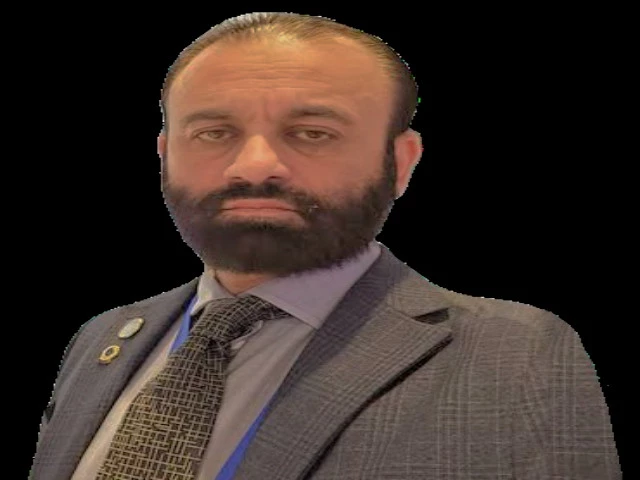
In a significant move towards environmental sustainability, the Faisalabad Chamber of Commerce & Industry (FCCI) recently pledged its support for phasing out hazardous chemicals. This commitment is particularly pressing given Pakistan's recent experiences with severe climate events, such as devastating floods and unpredictable natural disasters. During a meeting with a delegation from the Ministry of Climate Change and Environmental Coordination (MoCC&EC), FCCI President Farooq Yousaf Sheikh emphasized that climate change is no longer a distant concern but an immediate reality affecting the nation.
Sheikh pointed out that although Pakistan contributes only 0.9% to global climate change, it suffers disproportionately from its catastrophic effects. The FCCI aims to take a proactive role in urging the industrial sector to voluntarily phase out the use of hazardous materials even before they are banned globally. "As the country faces the worst impacts of climate change, FCCI, as the apex trade body, is ready to play a proactive role," Sheikh stated.
This initiative is particularly relevant for the Small and Medium Enterprises (SME) sector, which Sheikh believes must adopt sustainable practices to reduce their environmental footprint. "We must take collective responsibility for mitigating the negative impacts of climate change," he added, highlighting the need for all stakeholders to work together.
The FCCI also expressed support for the ministry's efforts in creating awareness about sustainable practices. Sheikh committed to circulating informative materials among its members and organizing a comprehensive seminar aimed at engaging the industry in addressing environmental degradation. This initiative aims to combat the damaging effects of unsustainable human activities, particularly in the industrial sector.
While Sheikh acknowledged that the industrial sector is responsible for only 9% of smog production, he noted that it is often unfairly targeted by punitive measures. "It is essential that we adopt a balanced approach, recognizing both the challenges and the potential solutions," he remarked. This underscores the complexity of the situation, where industrial contributions to pollution are scrutinized, yet they also play a vital role in the economy.
During the meeting, Deputy Secretary of Climate Change and Environmental Coordination Yasir Arafat and National Project Coordinator Sajid Raza outlined the objectives of the "Reducing Uses and Release of Chemicals of Concern" project, which aims to address the use of hazardous chemicals in Pakistan's textile sector. This sector is critical to the country's economy, making it essential to tackle environmental issues without impeding economic growth.
The event included a lively question-and-answer segment, where FCCI members engaged with ministry representatives to discuss various aspects of the initiative. Waheed Khaliq Ramay delivered the vote of thanks, emphasizing the importance of collaboration between the government and industry stakeholders in addressing environmental challenges.
In a moment of recognition, FCCI celebrated its 50th anniversary by honoring guests with special collar pins. President Farooq Yousaf Sheikh presented an FCCI shield to Yasir Arafat in acknowledgment of his significant contributions to climate initiatives. This gesture not only reinforces the FCCI's commitment to environmental sustainability but also highlights the importance of collaboration in tackling climate change.
As climate change continues to pose threats globally, such initiatives reflect a growing recognition of the need for collaborative efforts. The FCCI's proactive stance in phasing out hazardous chemicals could set a precedent for other industries, encouraging a broader move towards sustainability in Pakistan and potentially affecting similar markets worldwide.
MicroStrategy’s Shocking Delisting Risk: What This Means for Crypto Startups—Are You Prepared?

Vanderbilt vs. Kentucky: The Shocking Time & Stream You Can't Afford to Miss This November!

Apple's Shocking Monopoly Case: Why 85% of Buyers Are Fearful for Their Wallets!

Is this the shocking showdown that will change Ohio forever? Amy Acton vs. Vivek Ramaswamy—who will dominate?
Is Maryland's Budget Deficit Hiding Critical AI and Quantum Computing Secrets? Find Out Now!

XRP ETFs Are Here—Will Your Fintech Startup Survive the Crypto Revolution?
You might also like: