
You Won't Believe How Local Teams Are Stealing the Show in This Year’s World Cup—Discover the Shocking Stats!

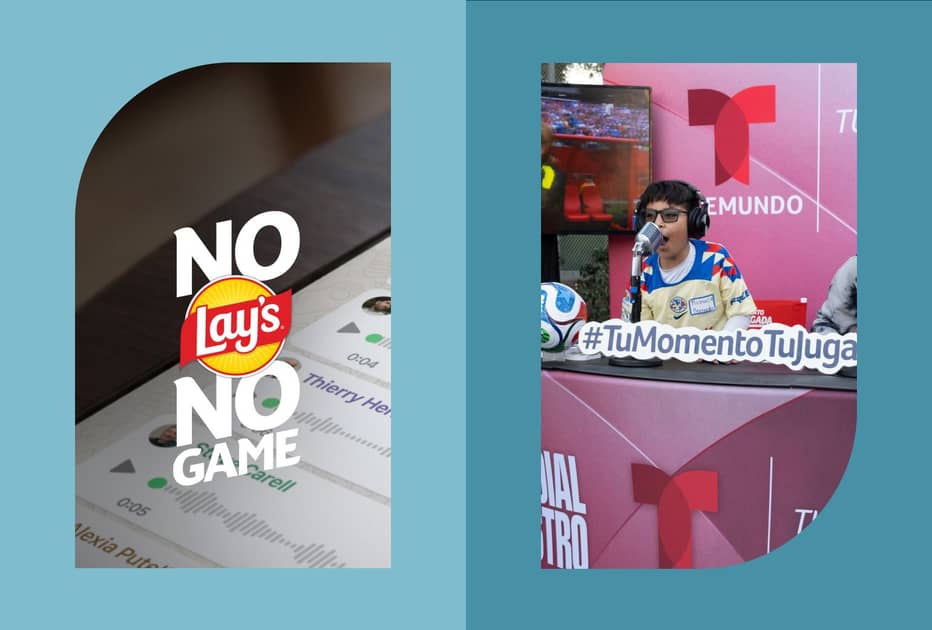
As the excitement builds for this summer's FIFA Men's World Cup, set to take place across 16 host cities in the United States, Canada, and Mexico, a unique challenge emerges for marketers. With such a vast and diverse landscape, there is no universal strategy that can effectively capture the hearts of fans across all three countries.
Organizations involved, from leagues and host committees to sponsors and media partners, are navigating this complex terrain with various approaches aimed at expanding soccer's footprint in the U.S. This task has proven daunting, as Kim Scates, VP of commercial partnerships for the Houston 2026 host committee, notes: “It took a while for those brands to wrap their heads around, ‘How are we going to do this in this many markets, how do we prioritize what we want to do, and how do we think through this market versus that market?’” Finding a balance in local engagement and broader marketing objectives has been a considerable undertaking.
After extensive preparations over months or even years, marketers are honing in on tailored strategies for specific host cities. This includes localized activations, modified creative content, and partnerships with community organizations, all aimed at establishing a meaningful presence in diverse locales.
📰 Table of Contents
Creative Local Engagements
Launching an effective marketing campaign across multiple countries necessitates a starting point that varies by organization. For instance, Telemundo, which holds exclusive Spanish-language broadcasting rights for the World Cup in the U.S., focused its efforts on "key Hispanic markets." Christina Kolbjornsen, Telemundo’s SVP of corporate and external affairs, explained that they kicked off their initiative, “Tu Momento. Tu Jugada,” in the Bay Area, a host city with a significant Latino community and strong viewership.
On the opposite coast, Visa, an official FIFA sponsor, took a different approach. Collaborating with over 20 artists from six continents, Visa launched “The Art of the Draw” in Miami. This showcase event, hosted by artist KidSuper, unveiled five pieces of a collection tied to the World Cup. Andrea Fairchild, Visa’s SVP of global sponsorship strategy, highlighted Miami's cultural richness and soccer ties as an ideal backdrop for this project, which aims to elevate local creators on a global stage.
Marketers have also been adjusting their creative strategies to reflect regional differences. Lay’s, another official World Cup sponsor, has developed multiple campaigns, including “No Lay’s, No Game,” that adapt to local flavors while delivering a unified message. Jane Wakely, chief consumer and marketing officer at Lay's parent company PepsiCo, emphasized the flexibility of this campaign, noting it allows for authenticity while addressing different football cultures worldwide.
On Location, the tournament's official hospitality partner, is working closely with FIFA to promote the World Cup across all 16 markets. This year, they emphasize combining global reach with localized ticket demand, particularly in cities like Los Angeles, Atlanta, and Dallas. Anne Charls, SVP of Marketing at On Location, stated, “Every market is going to have something incredibly unique, and is going to be special in its own right.”
Major League Soccer (MLS) is also ramping up efforts with a league-level campaign that runs before, during, and after the World Cup, while allowing its 30 club marketing teams to tailor promotions to their local markets. CMO Radhika Duggal noted that while overall branding remains consistent, the local clubs’ insights are invaluable. “The clubs know the customer the best, [because] they’re physically in the market,” she said.
Community Impact and Legacy
A critical aspect of these marketing efforts is the commitment to giving back to host cities. Companies without teams in every host city can still access local expertise through partnerships with host committees and nonprofits. For instance, Airbnb, an official FIFA sponsor, paired with the Houston host committee, contributing a $1 million investment to develop a transit loop connecting the city’s NRG Stadium with the FIFA Fan Fest. Scates remarked on the importance of such contributions in creating a positive local impact.
Moreover, several World Cup sponsors have initiated programs that support existing local initiatives. Lay’s opened 12 soccer pitches worldwide, serving about 2,000 players monthly; Telemundo partnered with the U.S. Soccer Foundation to bolster its “Yes, Coach” program, aimed at recruiting youth soccer coaches; and Visa has signed a 10-year agreement with nonprofit Street Soccer USA to support after-school leagues and financial education resources for players. Kolbjornsen emphasized, “That is how we create legacy. That’s how we create impact.”
As the World Cup approaches, the tailored strategies and community-focused initiatives highlight a significant evolution in how brands engage with local audiences. The diverse marketing landscape reflects not only the cultural richness of the participating cities but also the broader ambition to elevate soccer's presence in the United States.
You Won't Believe What Happened When Janelle James Turned CSU's RamFest into a Hilarious Comedy Show!

Is Your Job at Risk? Shocking Survey Reveals 20% of Workers Rely on AI—Find Out How!

Columbus Crew vs. Orlando City: Will This Match Decide the Future of U.S. Soccer? Shocking Stats Inside!

Unlock the Secret: These 3 Lifestyle Changes Could Add 10+ Years to Your Life—Are You Missing Out?
Unlock the Secret: How Farmley Transformed Healthy Snacking into a Must-Play Daily Game! Don’t Miss Out!

You Won't Believe What This Dog Found: Is Arugula the Secret to Unleashing Your Pet's Energy?
You might also like: