
You Won't Believe How Trustonic Plans to Connect 100 Million Africans—This Could Change Everything!

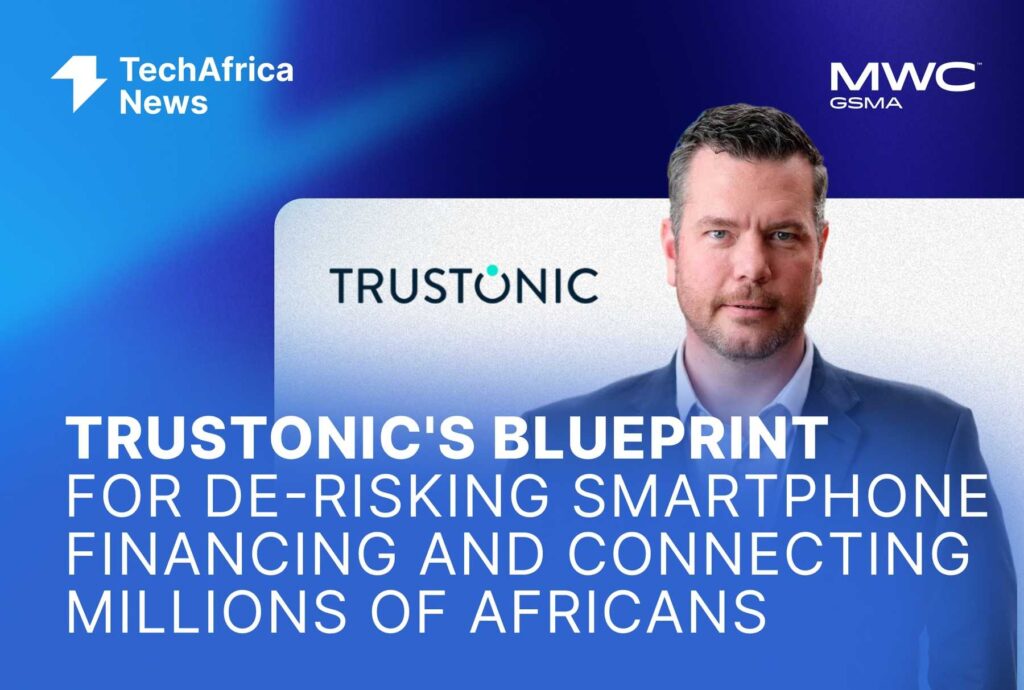
As global connectivity continues to evolve, the challenge of making technology accessible to underserved populations remains complex. The recent ambition of the handset affordability coalition to introduce a $40 smartphone is commendable, yet it reveals significant limitations. Craig Fleischer, Executive Vice President for the Middle East and Africa at Trustonic, highlights that for the bottom 20% of consumers in Africa, the $40 price tag can represent nearly 90% of their monthly salary. While affordability is important, without options for financing, this initiative falls short for those who need it the most. A looming memory shortage anticipated in the next 18 months further complicates the affordability landscape, suggesting that the conversation around accessibility must extend beyond mere pricing.
To address these hurdles, Trustonic has introduced device locking technology, designed to mitigate the credit risk that typically prevents financiers from extending devices to consumers lacking credit histories. Fleischer emphasized the need for a shift in perspective—viewing this as an issue of enablement rather than punishment. The goal is clear: to reach the estimated 320 million African adults who have never been online, enabling them to access the internet and smart technologies. By reducing the risk for financiers, Trustonic aims to facilitate a more inclusive digital landscape.
“It is not about punishment; it is about enablement. What we are seeing is that financiers want to provide devices to consumers to enable these 320 million African adults to access the internet and smart technology. But there is no credit vetting. So how do they do this? We need to remove the risk for them, and that is where Trustonic comes into play. We provide locking technology that enables Android device locking for the market across the continent.”
– Craig Fleischer, Executive Vice President, Middle East Africa, Trustonic
Trustonic's operational model is impressive, managing 350 million devices globally. The deployment process for new partners can be remarkably swift—taking as little as two weeks in some instances, such as a recent project in Zimbabwe. However, larger integrations, particularly those involving loan management or customer relationship management platforms, typically require about 90 days. A key differentiator for Trustonic in Africa is its on-the-ground presence in cities like Johannesburg, Nairobi, and various regions throughout West and North Africa. This local involvement enables Trustonic to assist partners not just by providing a platform but by guiding them in implementing effective strategies.
A standout feature of Trustonic's offering is its status as a Google-certified partner for the Device Lock Controller. Google is embedding this technology across all Android devices, marking a significant endorsement of its utility in emerging markets. This partnership could play a crucial role in enhancing device security and access for millions.
When it comes to the effectiveness of device financing, Trustonic's track record speaks volumes. Fleischer presented compelling data, revealing that partners working with Trustonic have reported annual growth rates exceeding 72% in their device financing portfolios. The average selling prices of financed devices are nine times higher than market averages, as financiers are now willing to take risks on previously unserved consumers. In specific markets, bad debt has been as low as 2%, which underscores the potential for sustainable growth in this sector. Furthermore, a new market entry can generate between 70,000 to 80,000 first-time smartphone users within just 60 days, illustrating both the demand and the infrastructure's need to catch up.
As the digital divide persists, the need for innovative solutions like those provided by Trustonic has never been more vital. By addressing both the affordability and accessibility challenges of smartphones, the goal is to bridge the gap for millions and usher in a new era of digital inclusion across Africa. The potential for empowering individuals through technology is immense, but the journey requires a concerted effort from all stakeholders involved.
XRP's Shocking Golden Cross: Is a Massive Price Drop Looming? You Won't Believe What Happens Next!

You Won't Believe What Mikie Sherrill Just Did as the 57th Leader – This Could Change Everything!

Is the White House's $100M Ballroom Project Using Foreign Steel a Major National Security Risk? You Won't Believe What Experts Are Saying!

Is the OPPO F33 Pro the Secret Weapon for Stunning Photos? You Won't Believe the Results!

This 65-Year-Old Trainer Reveals the Costco Foods That Could Add Years to Your Life—Don't Miss Out!
You're About to Miss This SHOCKING Request That Left Thousands in Outrage—Find Out What Happened!
You might also like: