
Microsoft Employee's Shocking Rs 1.36 Lakh Monthly Budget Reveals One Expense That Has Everyone Talking!

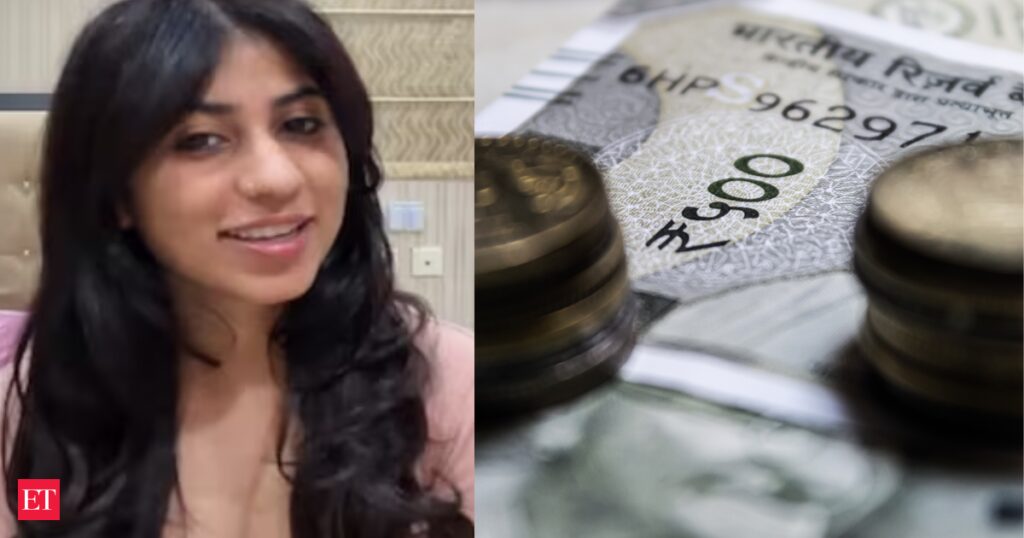
A Microsoft employee based in Hyderabad, Saniya Ahuja, has recently captured the attention of social media by sharing a candid breakdown of her monthly expenses, which totaled an eye-watering Rs 1.36 lakh (approximately $1,650) for March 2026. However, rather than presenting a highlight reel of her lifestyle, Saniya chose to reveal the sometimes chaotic reality of her spending, complete with overspending and indulgences.
Right from the start, Saniya made it clear that this month wasn't her most disciplined. She framed her spending not as a bragging session but as a moment of self-reflection, stating, “Right, let’s sort my life out.” This approach resonated with many, showcasing that financial awareness can be a journey rather than a destination.
What stands out in her breakdown is her strong commitment to investing. A massive Rs 70,000 (over half of her total spending) went straight into mutual fund SIPs and other investments. In an age where impulse purchases often dictate spending habits, Saniya’s financial foresight deserves commendation. It reflects a growing movement among young professionals to prioritize long-term financial security and literacy, even when tempted by immediate gratification.
Yet, Saniya didn’t shy away from the fun aspects of spending. Shopping emerged as her biggest indulgence, with expenses soaring to Rs 16,749 (around $203). Whether it was retail therapy or simply too many “add to cart” moments, many can relate to this experience of occasional excess. Her travel costs were also noteworthy, totaling Rs 10,913 (about $132), a figure she attributed to the rising costs of airfare. This highlights a broader trend facing many young professionals today, as travel costs continue to climb.
Food spending, a classic budget buster, accounted for another Rs 10,000 (roughly $121) on dining out and ordering in, with groceries and essentials adding another Rs 2,755 (around $33). These are the types of slow-drip expenses that can often go unnoticed until it’s too late. Health-related costs also factored into her budget, with over Rs 3,500 (about $42) spent, which many would argue is a wise investment in personal well-being. Additionally, she allocated Rs 1,200 (around $15) for various subscriptions—streaming services, apps, and memberships—which, while seeming small individually, collectively exert significant pressure on monthly finances.
All told, Saniya's grand total came to Rs 136,857 (approximately $1,650). Rather than brushing this off as a slip-up, she leaned into the lesson her spending revealed. Her main takeaway? Understanding where your money goes is critical. “No guesswork, no denial, just honest tracking,” she emphasized. This kind of transparency about finances provides a refreshing perspective in a culture often focused on appearances rather than realities.
She highlighted how keeping a record of her expenses helps her identify patterns, allowing her to cut back where necessary and plan for the next month more effectively. She acknowledged her overspending, stating she is mentally prepared to adjust her habits going forward. The message here is clear: it’s not about achieving perfection but about being aware of one's financial situation.
When asked how she manages all this, she mentioned using an app called “Money Manager.” This straightforward tool seems to be effective for her, illustrating how technology can assist in better financial management.
Response from the internet has been mixed yet supportive. Many praised Saniya for balancing spending with investing, while others found her openness about her financial missteps oddly comforting. In a world where most are navigating their finances without a clear roadmap, her candidness strikes a chord.
Ultimately, Saniya Ahuja’s expense breakdown serves as a reminder that financial discipline is not about avoiding mistakes altogether; it’s about recognizing them and making adjustments as needed. This pragmatic approach to money management feels far more attainable for most of us, striking a balance between enjoying life and securing a stable financial future.
Disclaimer: This story is based on viral social media posts and publicly shared information. The claims have not been independently verified.
March 2023 Shatters Heat Records! Are We Unprepared for the Climate Crisis? You Won't Believe the Shocking Stats!

Is Francis Mauigoa's NFL Future in Jeopardy? Shocking Medical Recheck Results Revealed!

Massachusetts Just Approved a Shocking New Bill: Will Your Child's Social Media Access End Before Age 14?

West Virginia's Shocking Vaccination Law Upheld—What This Means for Your Kids' Schools!

Is Your Startup Missing Out? Discover the Shocking Truth About the Best Dating App Development Company!

You Won’t Believe What This Real Estate Photographer Discovered While Capturing Homes!
You might also like: