
Could This Groundbreaking Vaccine End Hookworm Infestations Forever? The Shocking Truth Inside!

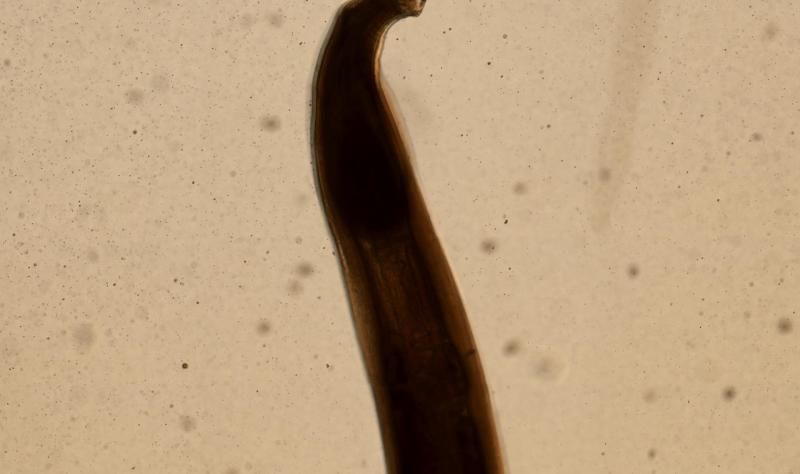
Promising results from an experimental hookworm vaccine trial are offering hope to the more than 400 million people worldwide who contract this parasitic infection each year. The phase 2 study, published last month in The Lancet Infectious Diseases, involved a double-blind clinical trial. Participants who received the Na-GST 1/Al–CpG vaccine candidate experienced significantly milder infections compared to those in the placebo group and those who received one of two other vaccine candidates.
The vaccine specifically targets Necator americanus, the most common type of hookworm. Researchers believe that by interfering with a specific protein in the worm, they can prevent N. americanus from feeding on the blood in its host's small intestine, ultimately leading to the death of the parasite.
📰 Table of Contents
Exciting Progress, but More Research Needed
As noted by senior author David Diemert, MD, director of George Washington University’s Vaccine Research Unit, it is always a pleasant surprise when a vaccine or medical trial meets or exceeds expectations. “I have to say I was not expecting it to be that good,” he remarked.
Dr. Kaylee Herzog, a parasite biologist and curator of the parasite collection at the Museum of Southwest Biology at the University of New Mexico, praised Diemert’s results as promising and a good candidate for further testing. “The road to a safe and effective hookworm vaccine is still a long and winding one,” she cautioned, “but results like those reported here move us another step further along that road.”
Diemert mentioned that his team is currently seeking funding to conduct another phase 2 trial, which would take place in the field and in collaboration with communities where hookworm infections are endemic. The parasite poses a serious public health issue in tropical countries with inadequate sanitation infrastructure and limited access to medical care.
The Vaccine’s Potential Impact on Global Health
While some infected individuals show no symptoms, a hookworm infection can lead to various health issues, including abdominal pain, rash, coughing or wheezing, fatigue, nutrient deficiencies, and anemia. Chronic reinfections, particularly in children, can significantly impede physical growth and cognitive development.
Although treatment for hookworms is generally straightforward, one-time treatment does not prevent future infections. Furthermore, there are indications that these medications are not always effective at eliminating infections, especially with repeated use. Diemert stated, “It would be much better just to prevent it in the first place from ever happening.”
The repeated distribution of anti-parasitic drugs is not only costly but also labor-intensive, according to Herzog. She emphasized that “there likely will not be a single vaccine that will be effective against all hookworms.” While Diemert and his team have designed a vaccine to specifically target N. americanus, Herzog points out that other hookworm species also contribute to human disease.
Despite these challenges, the development of this experimental vaccine could potentially be a significant advancement for global health. If successful, it could provide a sustainable solution to a persistent public health challenge, particularly in low-resource settings burdened by hookworm infections.
You Won't Believe Which 5 Hollywood Icons Shockingly Passed Away in 2026—The Details Will Leave You Speechless!

You Won't Believe What Secretly Distribution Just Bought—The Shocking Price Tag Will Make You Rethink Music Data!

This One Trend in Snacking is SHOCKING India—Will You Be Left Behind? Discover the Secret Now!

You Won't Believe the Shocking Twist in Georgia's 14th District Runoff: Harris vs. Fuller LIVE Updates!

Frankie Bridge Breaks Down: Shocking Family Choice Leaves Her Feeling 'Trapped'—What’s Next?

Texans Shock the NFL: C.J. Stroud and Will Anderson Jr. Get Surprising Fifth-Year Options—What This Means for Their Future!
You might also like: