
Shocking Twist: Woman Faces 10 Years for Supplying Drugs to Matthew Perry—What Could This Mean for His Legacy?

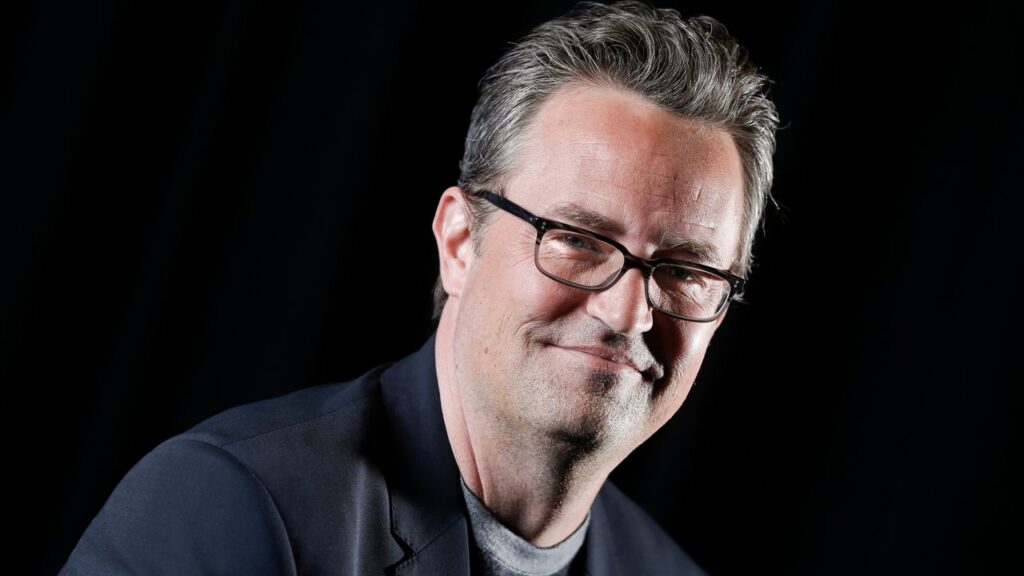
LOS ANGELES — In a tragic turn of events following the overdose death of actor Matthew Perry, Jasveen Sangha, the woman who admitted to selling him the ketamine that led to his demise, is set to be sentenced in federal court on Wednesday. This case highlights not only the complexities surrounding drug distribution but also the broader implications of addiction and accountability in the entertainment industry.
Perry, famed for his role as Chandler Bing on NBC's iconic series "Friends," was found dead at the age of 54 in the hot tub of his Los Angeles home. The Los Angeles County medical examiner ruled that ketamine, a drug often used as a surgical anesthetic, was the primary cause of death. Four days prior to his passing, Perry purchased 25 vials of the substance from Sangha, reportedly for $6,000 in cash.
Sangha is among five defendants who have pleaded guilty in connection with Perry's overdose, making her the third to face sentencing. While prosecutors are recommending a 15-year prison sentence, citing her as a "Ketamine Queen" with a sophisticated drug operation serving affluent clients, her defense attorneys argue that the time she has spent in jail since her indictment in August 2024 should suffice. They highlight her lack of a previous criminal record and her good behavior as an inmate, suggesting that her circumstances do not warrant such a lengthy sentence.
In September, Sangha pleaded guilty to multiple charges, including one count of using her home for drug distribution and another for distribution of ketamine resulting in death. Her plea deal uniquely acknowledged her role in causing Perry's death, and prosecutors emphasize that despite her admission, she continued to engage in drug dealing, which they claim displays a lack of remorse.
Perry’s struggles with addiction were well-documented, and he had previously sought treatment for depression. He had been using ketamine as an off-label treatment through his doctor, but, dissatisfied with the amount prescribed, he eventually turned to illegal sources. This led him first to Dr. Salvador Plasencia, who was sentenced to 2.5 years in prison for illegally prescribing the drug to the actor, and subsequently to Sangha.
Prosecutors have pointed out that Sangha's motives appeared driven by a desire for a luxurious lifestyle rather than desperation. They argue that her educational background—she holds a bachelor’s degree from the University of California, Irvine, and a master's degree from Hult International Business School in England—supports this view. However, her defense team paints a different picture, suggesting that her close family relationships, especially with her mother and grandmother, could provide her stability upon release.
As sentencing approaches, members of Perry’s family are expected to speak in court, likely adding an emotional weight to the proceedings. The legal ramifications for those involved extend beyond Sangha; two other individuals connected to Perry's drug supply face sentencing as well, including a doctor who provided ketamine to Sangha. Meanwhile, Perry's assistant and a friend, who acted as intermediaries, are awaiting their turn in court.
U.S. District Judge Sherilyn Peace Garnett has expressed her intention to ensure that the sentences for all defendants reflect a cohesive understanding of their varying roles in this tragic case. As America continues to grapple with the pervasive issue of addiction, the fallout from Perry's death and the subsequent legal proceedings serve as a stark reminder of the lives affected by the drug crisis, particularly within the high-pressure environment of Hollywood.
Could This ONE Move from Vance Save a Struggling MAGA Ally in Hungary? Shocking Election Secrets Inside!

You Won't Believe How 850,000 BTC Disappeared—Could You Be Next?

After 20 Years of Chasing Success, I Discovered the Shocking Truth About Life—You Won't Believe What I Found!

You Won't Believe How Pomo's $4.5M AI Funding Could Transform Your Marketing Game!
You Won’t Believe What Happens When This Request Gets Denied—Shocking Consequences Revealed!

Shocking Confession: Adam Back Rejects Satoshi Nakamoto Title—What He Reveals Will Stun You!
You might also like: