
Is Your Favorite Athlete Cashing In? Shocking New NIL Deals Worth $2,500 Go Unchecked!

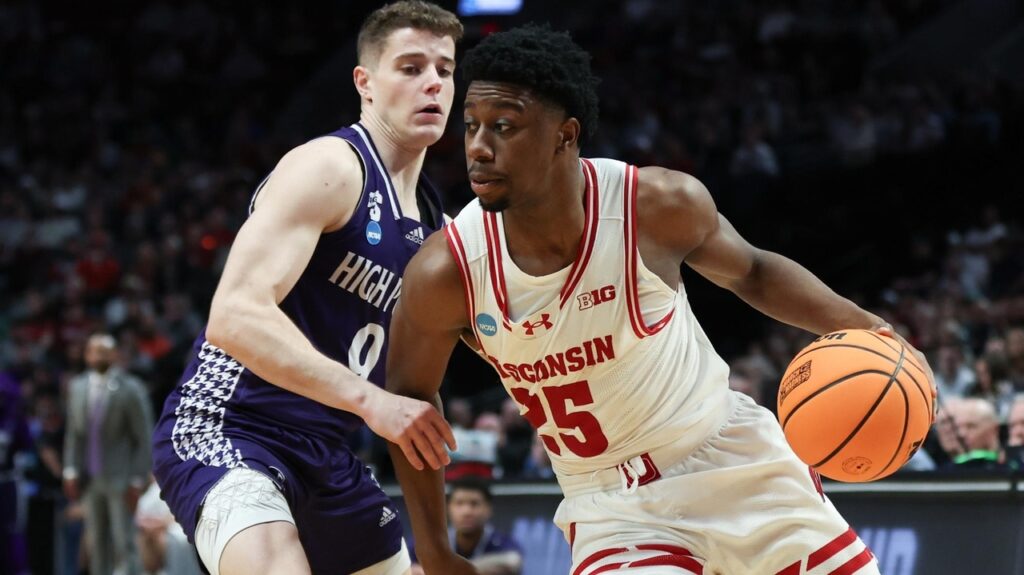
The landscape of college athletics is shifting once again as the value of name, image, and likeness (NIL) deals that can circumvent review by the College Sports Commission (CSC) has significantly increased. As of a recent memo issued on Tuesday, this threshold has risen from $600 to $2,500, provided that an athlete's total earnings do not exceed $15,000. This change is particularly noteworthy as it coincides with the opening of the transfer portal in college basketball, a period during which students can switch schools more freely.
The CSC, which was established to oversee NIL payments to college athletes, approved this increase last month, aiming to streamline the review process of deals. Previously, any NIL agreement worth $600 or more was subject to scrutiny to determine whether the compensation was fair based on the services provided by the athlete. This adjustment is designed to help the CSC focus on larger, more complex arrangements between players and third parties that warrant closer examination.
The introduction of a $15,000 total earnings cap is a crucial element of this policy change, intended to prevent athletes and schools from engaging in multiple smaller deals to evade oversight. In its memo, the CSC indicated that all agreements valued at $600 or more will still be examined to confirm they serve a “valid business purpose,” specifically related to the promotion or endorsement of goods or services aimed at the general public for profit.
Moreover, the CSC reiterated that third parties are prohibited from making payments on behalf of athletes to cover agent fees or buyouts from previous contracts with schools. Reports of such activities have raised concerns within the commission, which warned that any violations could lead to disciplinary action against both the institution and the student-athlete. The memo also mentioned that the CSC will soon require schools to provide more detailed information regarding the payment of agent fees.
In light of the evolving NIL landscape, the commission plans to reach out to institutions and athletes regarding deals that have been approved but where it appears that student-athletes did not fulfill the responsibilities outlined in those agreements. This is a critical component of ensuring that NIL arrangements are not merely façades for illicit payments.
A significant aspect of the House settlement approved last year, which set the framework for how college athletes can be compensated, is the directive that these athletes are to be paid for their NIL and not solely for their participation in sports. This shift reflects a broader movement towards recognizing the rights of college athletes as they navigate the complex world of endorsements and sponsorships.
Within the broader context, schools are permitted to allocate up to $20.5 million for athlete compensation, but the CSC's primary function revolves around evaluating third-party deals that do not count against this cap. According to the established rules, these NIL agreements must be genuinely tied to a valid business purpose and appropriately valued.
The increase in the threshold for NIL deals that avoid CSC review not only marks a significant change in policy but also underscores a pivotal moment in the ongoing dialogue about the rights and treatment of athletes in collegiate sports. As the landscape continues to evolve, the CSC's ability to adapt and enforce these regulations will be crucial in maintaining fairness and integrity in college athletics.
Stacy Garrity Shatters Records: How She Raised $1 Million for Governor in Just 90 Days!

BYDFi's 2026 Crypto Revolution: Are You Ready for the Shocking Changes Coming?
Is Iran Planning Something Big? Shocking FBI Report Reveals Ominous Threat to Every American!

Unlock These 5 Shocking Diet Hacks That Could Add 10 Years to Your Life—Are You Missing Out?

Is Your Neighborhood Aging You Faster? Shocking Study Reveals Startling Health Disparities!
UNC Fans EXPLODE Over Michael Malone's Shocking Introduction – You Won't Believe Their Reactions!
You might also like: