RFK Jr. Shocks Nation: The Vaccine Reversal That Sent GOP Senator Into a Fury! What Happened Next Will Stun You!


Health Secretary Robert F. Kennedy Jr.'s controversial stance on vaccines has ignited a storm of criticism and raised alarms among public health advocates. The former environmental lawyer, who lacks any formal medical training, recently claimed that he directed the Centers for Disease Control and Prevention (CDC) to reconsider its official assertion that "vaccines do not cause autism."
In an interview with The New York Times, Kennedy stated, “The whole thing about ‘vaccines have been tested and there’s been this determination made,’ is just a lie.” He further argued that the prevailing scientific consensus—that vaccines are not linked to autism—is “not supported by science,” despite a multitude of studies consistently finding no such link.
Earlier this year, Kennedy even suggested that other factors, such as circumcision and Tylenol usage, could be responsible for autism, further complicating the public discourse on this already sensitive topic.
His aggressive promotion of personal anti-vaccine beliefs has not only drawn ire from public health experts but has also caused friction with some within his own party. Republican Senator Bill Cassidy, who is also a physician, reluctantly voted to confirm Kennedy as Health Secretary, under the condition that Kennedy would not alter the CDC's statement on vaccines and autism. While Kennedy has technically upheld this agreement—keeping the header on the CDC's website—an asterisk now accompanies it, indicating it remains there “due to an agreement” with Cassidy.
However, the rest of the page surrounding this statement undermines its validity, asserting that the claim is not supported by evidence and that studies supporting a link between vaccines and autism have been ignored. Upon learning of this policy shift, Cassidy expressed outrage, labeling Kennedy's guidance as “irresponsible” and warning it could lead to more illnesses among Americans.
In a statement on social media, Cassidy, who has witnessed the devastating impact of vaccine-preventable diseases, emphasized, “What parents need to hear right now is vaccines for measles, polio, hepatitis B, and other childhood diseases are safe and effective and will not cause autism.” He further pointed out that focusing on vaccines distracts from real potential causes of autism, explicitly stating, “we definitely know DO NOT cause autism.”
Cassidy's comments have led to a wave of backlash on social media, where critics have mocked his decision to support Kennedy’s confirmation. Many pointed out the contradiction in his past vote, which ultimately allowed Kennedy to assume the role of Health Secretary with a narrow 52-48 confirmation.
You literally voted to confirm RFK Jr. as HHS Secretary, knowing full well he holds these bizarre and dangerous views. Shame on you.
— Republicans against Trump (@RpsAgainstTrump) November 20, 2025
In his interview, Kennedy admitted to discussions with Cassidy regarding the change in language, noting that the senator “disagreed” with his stance. Critics have accused him of fear-mongering, claiming he is shifting the goalposts when confronted with scientific evidence that contradicts his views. Despite recognizing the potential negative impact on vaccination rates, Kennedy stated, “I think the way to drive up vaccine utilization, ultimately, is to be honest with people,” insisting that his role is to provide “accurate information about the state of the science.”
Notably, the Times article, which marks Kennedy's first substantial interview with a major publication in recent times, chose to forgo addressing the swirling rumors about his personal life. Earlier this month, excerpts from the memoir of his alleged ex-lover, Olivia Nuzzi, surfaced, claiming she had a romantic relationship with Kennedy and that he still uses psychedelics. While Kennedy has denied these claims, the absence of discussion on these personal allegations further complicates his public image during a time of intense scrutiny over his policies.
The ongoing debate surrounding Kennedy's views and their implications for public health raises critical questions about the role of vaccine misinformation in American society. As vaccine-preventable diseases reemerge and vaccination rates wane, the urgency for clear, scientifically grounded communication has never been greater. The situation underscores the fine line policymakers must walk between differing opinions and the overwhelming consensus of the scientific community.
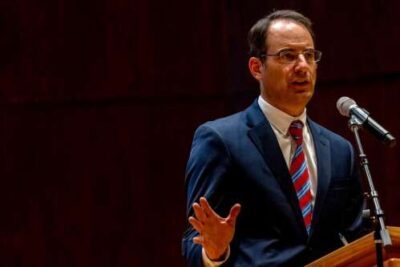
Is Phil Weiser's Bold Education Plan the Key to Colorado's Future or a Recipe for Disaster?
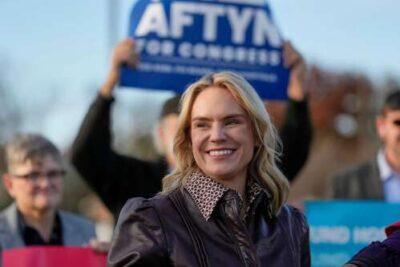
Trump and Harris Join Forces: How $10 Million is Shaking Up Tennessee's Special Election!
Mavericks at a Crossroads: Will They Lose THIS Key Defender to the Lakers? Shocking Trade Secrets Revealed!
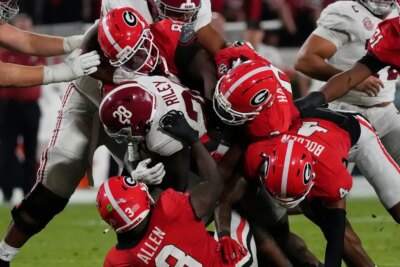
SEC's Shocking Claim: Is CFP Ignoring a 50-Year-Old Strength of Schedule Metric? Find Out Now!

Shocking Affair Exposed: How Prosecutor Will Jones' Scandal Could Change Everything!

Stocks Tumble Again: Is This the End? Discover the Shocking Reasons Behind the Market Crash!
You might also like: