
Hershey's Secret Recipe Change Will Leave Chocolate Lovers Shocked—Find Out Why Now!

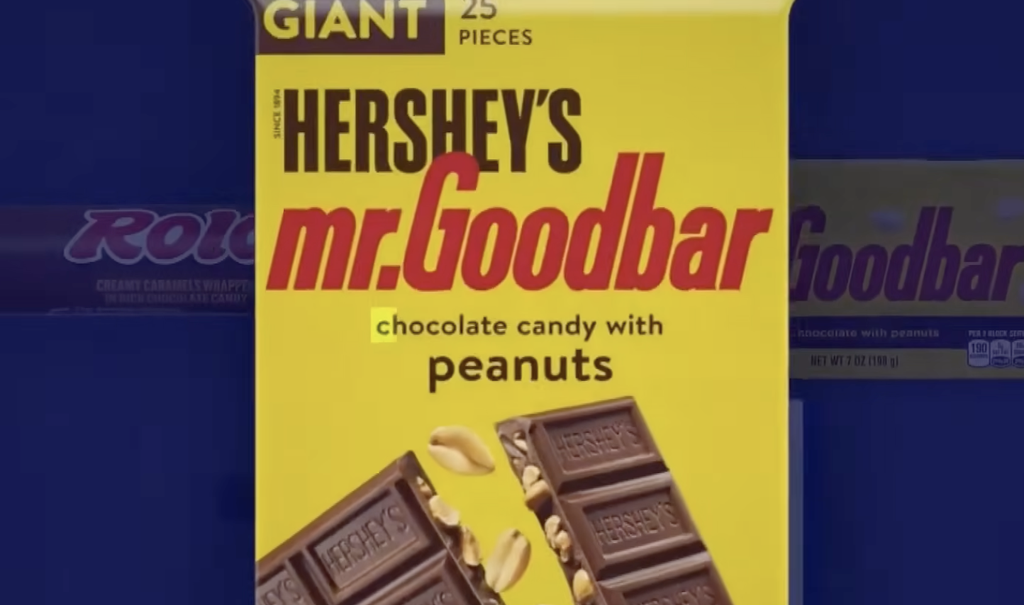
In a move aimed at placating consumers, The Hershey Company announced this week that it will revert to its classic recipes for both milk and dark chocolate across its iconic candy brands. This decision comes as a response to growing dissatisfaction from customers regarding recent changes, which included the introduction of chocolate alternatives in some of its products. The backlash has raised questions about the quality and authenticity of beloved candies such as Rolo, Almond Joy, and Mr. Goodbar.
A recent investigation by The New York Times revealed that many leading chocolate brands had begun using less cocoa in their products. Under the guidelines set by the Food and Drug Administration (FDA), a product labeled "milk chocolate" must contain at least 10 percent chocolate liquor. When companies drop below this threshold, they often rebrand their offerings with terms like "chocolate candy" or "chocolatey," a subtle shift that frequently goes unnoticed by consumers.
As cocoa prices continue to rise—hitting record highs recently due to various factors including climate change and increased demand—many chocolate manufacturers have turned to substitutes. According to Richard Hartel, a food science professor at the University of Wisconsin-Madison with over 35 years of experience in chocolate studies, the industry-standard replacement for cocoa butter is often palm kernel oil.
Despite the short-term financial motivations behind these recipe changes, the long-term implications could be significant. As consumer trust wanes, companies like Hershey may face a more challenging landscape. In fact, many industry experts, including Brad Reese, a notable figure in the chocolate sector, have criticized Hershey's reliance on cocoa butter substitutes, raising concerns about the quality and perception of their products.
By returning to its original recipes, Hershey may be signaling a broader industry trend that prioritizes transparency and quality over cost-cutting measures. As consumers become increasingly educated about food ingredients and sourcing, brand image and trust have become essential for companies looking to maintain their market share.
This move has sparked discussions about whether other major chocolate companies will follow suit. The implications of brand trust extend beyond just consumer satisfaction; poor product quality can lead to financial downturns, as seen in other sectors where companies failed to listen to customer feedback.
While Hershey's decision appears to be a step in the right direction, it raises a broader question: how will climate change continue to impact the cocoa industry? The topic was briefly touched upon in the original PBS News Hour broadcast that covered this story, but many experts believe it deserves a more in-depth discussion. Climate change is not just a background issue; it is actively reshaping the cocoa market, impacting everything from bean quality to supply chain stability.
In the age of information, consumers have more access to data than ever before, and companies are increasingly held accountable for their practices. The need for transparency in production processes has never been so critical. As the Hershey Company takes this step back towards its roots, it remains to be seen how competitors will respond and what this could mean for the future of chocolate in America.
This latest development serves as a reminder that even giants in the food industry must remain attuned to the needs and preferences of their customers. The power of consumer advocacy should not be underestimated, as it can drive significant changes in product formulation and industry standards.
UNLV Athletics on the Brink: How Trump's Shocking NIL Order Could Change Everything!

Why Are Top S. Korean and French Central Bankers Meeting? Shocking Secrets About Digital Assets and Climate Change Revealed!

You Won't Believe How Monday’s Shocking Soccer Scores Changed the Game – Are Your Favorites at Risk?

Michigan's Historic Title Win: How Big Ten Now Dominates Football & Hoops Like Never Before!

Unlock the Secret: How 95% of Celiac Patients Are Missing Out on This Gut Health Game-Changer!

Nikola Jokic Breaks Unbelievable NBA Record: You Won't Believe the Shocking Stats!
You might also like: