
Trump’s Bizarre Threat: Which Iranian Power Plants and Bridges Will He Target Next? Find Out Now!

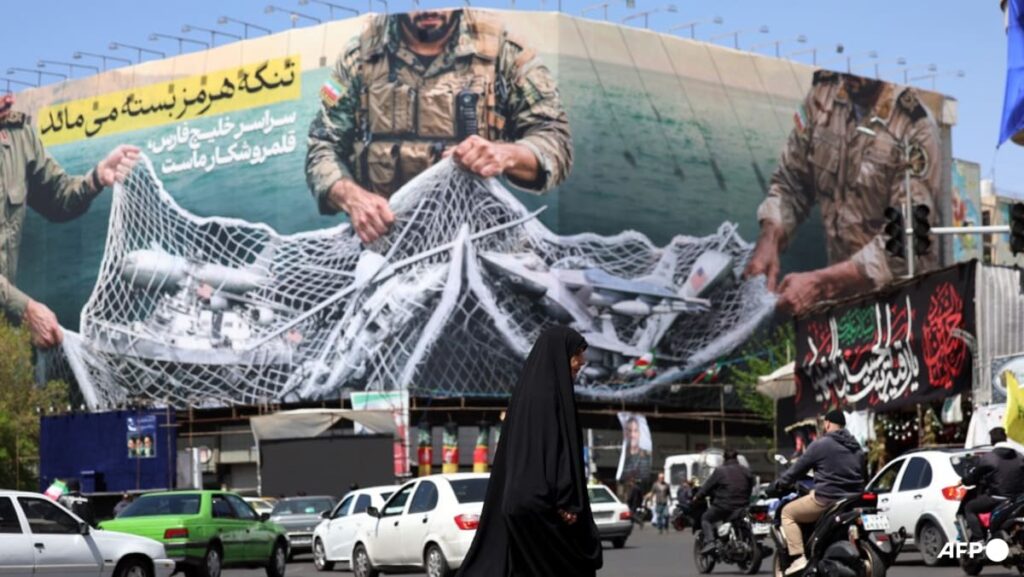
On a troubling Sunday, critical infrastructure across the Gulf region faced renewed attacks attributed to Iran, causing significant damage to civilian facilities in the United Arab Emirates, Bahrain, and Kuwait. This escalation is part of a broader pattern of aggression that has heightened tensions in the region.
In a related development, pro-Iran armed groups executed two attacks on U.S. diplomatic sites in Iraq, specifically targeting the U.S. embassy in Baghdad, marking a serious violation of safe diplomatic engagement and raising alarms about U.S. interests in the region.
The conflict has also ensnared Lebanon, where the Iran-backed Hezbollah has increasingly targeted Israel. The response from Israel has been swift and severe, as it has pushed its ground forces into southern Lebanon. Tragically, an Israeli airstrike in the southern town of Kfar Hatta resulted in the deaths of a family of six who were waiting to evacuate, along with a relative who had come to assist them. Another Israeli strike on South Beirut reportedly claimed the lives of at least four individuals, according to Lebanon's health ministry.
The ongoing violence has significantly impacted religious observances in the region, casting a shadow over Easter Sunday celebrations for Christian minorities in Lebanon and beyond. In the normally bustling alleyways of Jerusalem's Old City, an unusual silence prevailed. To enhance security, Israeli authorities restricted access to the Holy Sepulchre, a site of great significance where Christians commemorate the crucifixion and resurrection of Christ. A Romanian visitor, Christina Toderas, poignantly expressed the challenges posed by the situation, stating, "It's really hard to want to pray but to come here and find nothing. Everything is closed."
Concerns at the Bushehr Nuclear Plant
Adding to the volatile situation, a strike near Iran's Bushehr nuclear plant on Saturday resulted in the death of a guard, prompting condemnation from Russia, which partly constructed and assists in operating the facility. In response, Russia announced the evacuation of 198 workers from the site, labeling the attack as "an evil deed." Iranian Foreign Minister Abbas Araghchi cautioned that continued assaults on the plant could lead to catastrophic radioactive fallout, potentially threatening lives in Gulf Cooperation Council (GCC) capitals such as Kuwait, Bahrain, and Qatar.
Interestingly, Bushehr is located significantly closer to these GCC capitals than it is to Tehran, amplifying the stakes for neighboring nations. Amid these tensions, Iran has maintained a crackdown on dissent following a recent wave of anti-government protests, with reports indicating the execution of two individuals convicted of espionage on behalf of Israel and the United States.
In a stark reflection of the current climate, communications monitor Netblocks reported that Iran is experiencing its longest nationwide internet blackout in history, a move that further stifles dissent and information flow in an already tense environment.
As the unfolding events in the Gulf demonstrate, the situation remains precarious, with multiple fronts of conflict exacerbating regional instability. The call for peace amidst this chaos resonates deeply, as articulated by Pope Leo XIV in his Easter blessing, where he urged "those who have the power to unleash wars" to "choose peace" instead, underscoring a global indifference to the loss of life that continues to plague the region.
Is Your Browser Putting You at Risk? Discover the Shocking Truth Before It's Too Late!
You Won’t Believe What DFRobot Unveiled at Akihabara: 5 AI Projects That Could Change Everything!

Is Your Guy's Weekend Trip Count Harming Your Relationships? Experts Reveal Shocking Limits!

Ethereum Plummets 10%: 5 Shockingly Underrated Cryptos That Could Skyrocket Overnight!

Shocking Tax Scandal Unveils Dark Secrets: Who Will Win the Governor’s Race? Don’t Miss This!

Two Candidates Battle for Lake County Judge: Who Will Uncover Shocking Secrets? Don’t Miss This!
You might also like: