
Is the UK DITCHING Social Media? Shocking Stats Show a MASSIVE Decline—Are You Next?

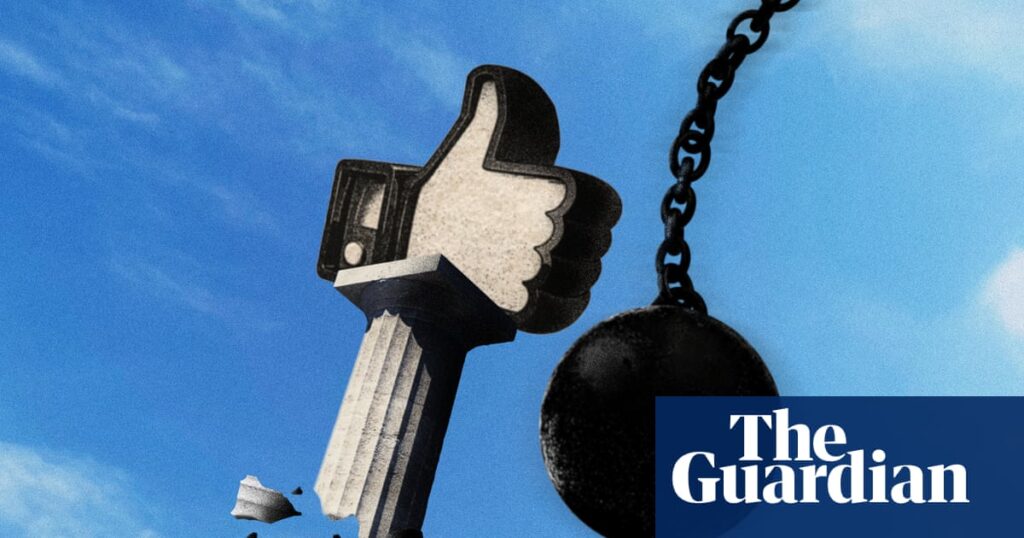
In a world dominated by social media, the act of sharing significant life events—from weddings to career milestones—has become a social norm. However, many users are experiencing a notable shift in their engagement with these platforms. Jenny, a 32-year-old British woman, recounts her hesitance to post about her wedding. "I wouldn’t have even posted my wedding really,” she says. “But I had to because … There’s like an etiquette. Nobody else can post your wedding until you’ve posted. So my friends were like: ‘Please post, it’s been like a week.’”
This sentiment resonates with a growing trend in Britain, as revealed by a recent report from Ofcom, the UK’s communications regulator. The findings indicate that less than half of adult social media users—49%—actively post, share, or comment on these platforms, a significant decline from 61% reported in 2024. This raises an important question: Is the UK turning away from social media?
The reasons for this decline are manifold. Increasingly, people are consuming content passively rather than actively participating. With apps like TikTok and features such as Instagram's Reels gaining popularity, individuals are watching more viral videos but sharing less personal content. Joseph Oxlade, a senior research manager at Ofcom, explains, “A lot of this is down to the nature of social media platforms changing. It is much harder for people to play in these spaces themselves.”
The UK boasts the largest European user base for TikTok, with over 30 million active users. In the U.S., Meta, which owns Instagram, noted that the viewing of Reels increased by 30% compared to the previous year, with Facebook video views also growing significantly. Yet, even as the consumption of content rises, the act of sharing has been noticeably declining.
Another concern appears to be the haunting nature of past social media activity. Ofcom’s report indicates that anxiety over old posts resurfacing is becoming a major deterrent for users. Oxlade points out that “there is also an element of people worrying about what they are posting online affecting them later in life.” The risk of damaging repercussions from past posts has affected many, from celebrities to everyday users. High-profile cases, such as actor Karla Sofía Gascón losing an Oscar nomination due to historical tweets, illustrate the potential fallout.
This fear extends to politics as well. For instance, Catherine Almonte Da Costa resigned after old tweets surfaced, while UK Labour MP Lauren Edwards faced backlash for a 2009 tweet. Alarmingly, the percentage of adults concerned about potential future repercussions from their online contributions has risen from 43% in 2024 to 49% in the latest survey.
Accompanying the decline in active posting is a growing anxiety about the mental health impacts of social media. The Ofcom report highlights that the proportion of adults who believe the benefits of being online outweigh the risks has plummeted from 72% in 2024 to 59%. Furthermore, only 36% of adults now feel that these platforms are beneficial for their mental health, down from 42%. Around 40% of users report spending too much time on screens on a daily basis, a figure that has risen from 25% just two years ago.
A growing number of adults, particularly younger ones, are taking action to curb their social media usage. Ofcom reports that a third of adults have deleted an app due to time management concerns or mental health issues. Robert, a 29-year-old panelist in the Ofcom study, encapsulates this sentiment: “All my reading is on a screen. All my work is on a screen. If I’m playing chess or Catan, that will be on a screen. It just becomes more and more and more.”
In light of these trends, Andy Burrows, CEO of the Molly Rose Foundation, which advocates for mental health online, believes we may be approaching a “tipping point” in public sentiment regarding social media regulation. He notes, “These figures suggest that there probably would be a groundswell of support among adults to get platforms to design their products in a way that gives us all greater agency in how we use them.”
However, not everyone is convinced that the evidence is conclusive. Pete Etchells, a psychology expert, warns that the negative narrative surrounding social media use might shape public perception without adequate understanding of its broader context. He argues for more comprehensive studies on social media’s impact on mental health, especially concerning children and adolescents.
Despite the concerns, social media remains an integral part of daily life. Nine out of ten internet users engage with at least one social media platform. While many adults express hesitancy about their online presence, TechUK, a tech industry trade body, interprets the Ofcom findings as a sign of “maturing digital literacy,” suggesting that people are learning to navigate these platforms with greater intent.
Ultimately, while British adults may be pulling back from active participation on social media, they are not abandoning technology altogether. The Ofcom report notes that over half of UK adults are now utilizing AI tools like ChatGPT, with usage soaring to 80% among those aged 16 to 24. As society grapples with the complexities of digital engagement, it appears clear that the landscape of online interaction is evolving—one video clip at a time.
Trump's Shocking Executive Order: Will College Athletes Lose Scholarships Overnight?
Your Browser Could Be Hiding This Shocking Vulnerability—Are You at Risk?

90-Year-Old Gym Hero Shocks Everyone by Crushing Weightlifting Records—What’s His Secret?
The Stock Market is Crashing—Discover THIS One Stock Selling for Pennies Before It Skyrockets!

You Won't Believe What Tiger Woods' New Entertainment Center Is Hiding! Opens Feb 17!

You Won’t Believe What This 'Naked Mom Theory' Is Teaching Kids—Parents Are Divided!
You might also like: