
You Won't Believe What Happened During Steve Jobs' 'Most Important Call' to Bill Gates!


As Apple recently celebrated its 50th birthday, reflections on pivotal moments in its history have come to the forefront, particularly the significant intervention by Microsoft co-founder Bill Gates in 1997 that helped save the ailing company from bankruptcy. In a conversation with Axios surrounding the release of his memoir, Source Code, Gates revisited the decision that altered the course of both tech giants.
In 1997, amid a financial crisis, Apple was struggling to stay afloat. Gates, recognizing the potential repercussions of Apple's demise on the tech industry as a whole, decided to invest in the company. Microsoft purchased a 5% stake in Apple and pledged ongoing support. Gates reflected, “It was good that Apple recovered and made incredible contributions.” This intervention has since been regarded as one of the most consequential decisions in the technology sector.
Gates noted that prior to the rise of mobile technology, Apple occupied a more niche market, stating, “Once you get to the mobile thing, then Apple becomes every bit as important as Microsoft. It wasn't up until then.” This assertion underscores how Apple’s transformation into a powerhouse in mobile technology has redefined both its status and the competitive landscape of the industry.
However, Gates expressed regret over selling Microsoft’s 5% stake in Apple, which he described as “foolish.” At the time, with various antitrust concerns swirling around Microsoft, Gates admitted that the decision to divest seemed prudent. “We sold it for what now looks like nothing,” he recounted, adding a note of irony that Microsoft once owned a part of Facebook as well.
The Complex Dynamic Between Gates and Jobs
The interview also highlighted Gates's complicated, yet ultimately respectful, relationship with the late Steve Jobs. Gates characterized Jobs as a “singular figure,” someone whose charisma and vision were unmatched in the tech industry. “He should have been an actor. He really ran the reality distortion field like no one else,” Gates remarked, alluding to Jobs's legendary ability to inspire and captivate audiences.
Gates remembered a moment of candor with Jobs, saying, “Look, I'm a minor wizard. You're a major wizard. You can cast spells I can't cast — but because I'm a minor wizard, your spells don't work on me. I see the bullshit, that you're just mesmerizing these people.” This candid appraisal illustrates the respect and recognition Gates had for Jobs's talent, while also capturing the competitive tension that characterized their relationship.
Reflecting on Jobs’s NeXT computer, a product that struggled commercially after Jobs's departure from Apple, Gates did not hold back in his critique, calling it “a slow, expensive computer with an overpriced black case.” Such frankness showcases the high-stakes environment of innovation and competition within the technology sector during that era.
As we look back at these defining moments in Apple’s journey, it's clear that the partnership between Gates and Jobs, despite its complexities, has left a lasting impact on the tech landscape. Gates’s intervention in 1997 not only saved Apple but also paved the way for its future innovations that would ultimately change the way we interact with technology today. As both companies continue to evolve, the legacy of their intertwined histories serves as a reminder of the delicate balance between competition and collaboration in the fast-paced world of technology.
You Won't Believe What This $50 Light Can Do for Your Smartphone Selfies!
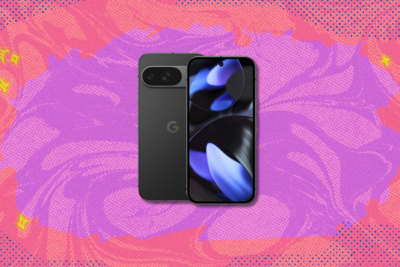
You Won't Believe How Much You'll Save: $300 Off the Google Pixel 9—But Hurry, This Deal Ends Soon!

Tech Exec's Shocking Fraud Charges: How Nvidia Chips Could Cost Millions—Are You Impacted?

You Won't Believe What Steve Bersell Just Revealed at the 2026 C Level Awards! Don't Miss This Shocking Moment!

Batton Plaintiffs Challenge Shocking Settlement – What Happens Next Will Shock You!
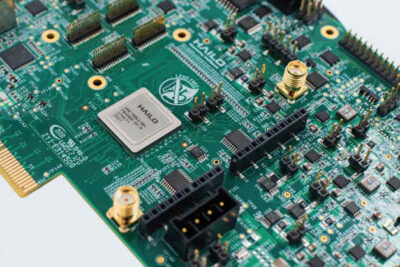
Shockingly, Hailo's Edge AI Chip Startup Is Going Public—Here's What This Could Mean for Your Wallet!
You might also like: