
XRP Skyrockets 89% While Bitcoin Stalls at 3.6%—Discover the Shocking Reason Before It’s Too Late!

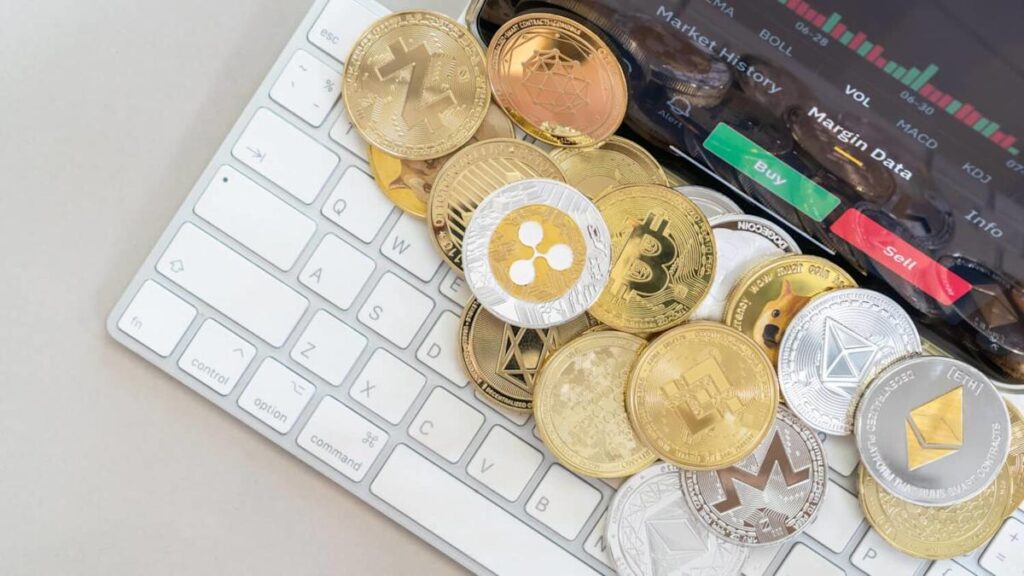
As of mid-November 2025, XRP (CRYPTO: XRP) has emerged as a standout performer in the cryptocurrency market, posting an impressive 89% gain over the past year. In stark contrast, Bitcoin (CRYPTO: BTC) has only managed a modest 3.6% return during the same period. This divergence in performance can be attributed to a mix of legal developments, new product launches, and broader market dynamics.
The legal landscape surrounding XRP shifted dramatically in August 2025 when Ripple Labs settled a long-standing lawsuit with the SEC for $125 million. This settlement clarified that XRP sales on exchanges do not constitute securities, effectively removing a significant legal overhang that had previously stifled XRP's adoption among banks and regulated institutions. With this renewed confidence, financial entities have become increasingly willing to engage with XRP, paving the way for broader use in payment systems.
Technical advancements have also propelled XRP's recent success. Ripple introduced an Ethereum-compatible sidechain for the XRP Ledger, allowing for smart contracts and decentralized finance (DeFi) applications. This innovation, coupled with the launch of RLUSD—a U.S. dollar-backed stablecoin—fueled XRP's liquidity and created additional use cases for companies to settle payments. Remarkably, RLUSD achieved a market cap of $1 billion within its first year, highlighting the demand for stablecoin solutions in the crypto space.
Furthermore, Ripple's strategic partnerships have been a game-changer. They applied for a U.S. banking license and collaborated with traditional payment networks to explore on-chain settlements. This shift indicates Ripple's ambition to build a regulated payments and custodial platform rather than merely existing as a speculative token. The recent launch of an institutional prime brokerage after acquiring Hidden Road enhances access to XRP and RLUSD for professional investors, further bridging the gap between on-chain and off-chain liquidity.
In late 2025, XRP saw a significant development with the debut of a spot XRP ETF from Canary Capital, which garnered approximately $250 million in first-day flows—the highest recorded among over 900 ETF launches in 2025. The subsequent launch of an ETF by Franklin Templeton, a major player with $1.5 trillion in assets under management, marked a pivotal moment for XRP's credibility. As noted by Bitwise Asset Management CEO Hunter Horsley, many institutional investors have long awaited regulated products to gain exposure to the cryptocurrency market. This surge in institutional interest not only validates XRP but also signals its potential for mainstream financial integration.
While XRP flourished, Bitcoin faced a different set of challenges. After hitting highs above $126,000 in October, Bitcoin fell by more than 26%, trading around $90,000 by mid-November. This downturn can be attributed to a risk-off sentiment among investors amid uncertainty regarding Federal Reserve rate cuts and high equity valuations.
Experts point out that Bitcoin's performance is closely linked to broader macroeconomic conditions. As a high-beta asset, Bitcoin often experiences sell-offs when risk appetite wanes. OKX executive Haider Rafique noted that the pullback in Bitcoin's price is part of a broader shift in market sentiment. Long-term holders have also been taking profits, adding downward pressure on the cryptocurrency as they capitalize on gains from its previous multi-year rally.
Moreover, Bitcoin's market dynamics have been exacerbated by thinner order books following a flash crash on October 10, which made the cryptocurrency more sensitive to negative news. The current market environment sees a trend of investors rotating capital into equities and artificial intelligence, leaving Bitcoin's traditional narrative as "digital gold" to mature without significant new catalysts.
Despite these challenges, some analysts suggest that Bitcoin's retreat might be a healthy consolidation phase ahead of the next cycle. However, without fresh developments to spark renewed interest, Bitcoin may continue to lag as investors increasingly explore higher-beta tokens like XRP.
In conclusion, XRP's robust performance over the past year is rooted in a combination of favorable legal outcomes, innovative products, and growing institutional adoption. Bitcoin, facing macroeconomic headwinds and diminished risk appetite, must navigate these complexities to regain its footing. As the cryptocurrency landscape evolves, both XRP and Bitcoin illustrate the constant interplay between innovation, regulation, and market sentiment.
You Won’t Believe What Step Training Can Do: 5 Shocking Benefits Most People Ignore!

The ONE bedtime snack that melts inflammation—doctors are shocked by this simple trick!

Megyn Kelly vs. Mark Levin: Social Media Feud Escalates—Is Someone's Life in Danger?

Is Your Vote at Risk? Shocking Findings from Diego Morales’ Election Meetings Revealed!

The Shocking Upsets of the 2025 NCAA DI Women's Soccer Tournament—Are You Ready to Be Surprised?

Eric Swalwell Drops a BOMBSHELL on Jimmy Kimmel: Is California's Future at Stake?
You might also like: