
Shocking! Key Yellowstone Guidebook Erases ALL Climate Change References—What Happens Next?

In a significant shift for one of America’s most iconic national parks, the Yellowstone Resources and Issues Handbook—a critical reference for both visitors and park employees—has eliminated its entire section on climate change for the first time in nearly two decades. This change comes amid broader pressures from the Trump administration to downplay climate-related issues across national parks, raising concerns among environmentalists and scientists about the implications for public understanding of climate impacts in these treasured landscapes.
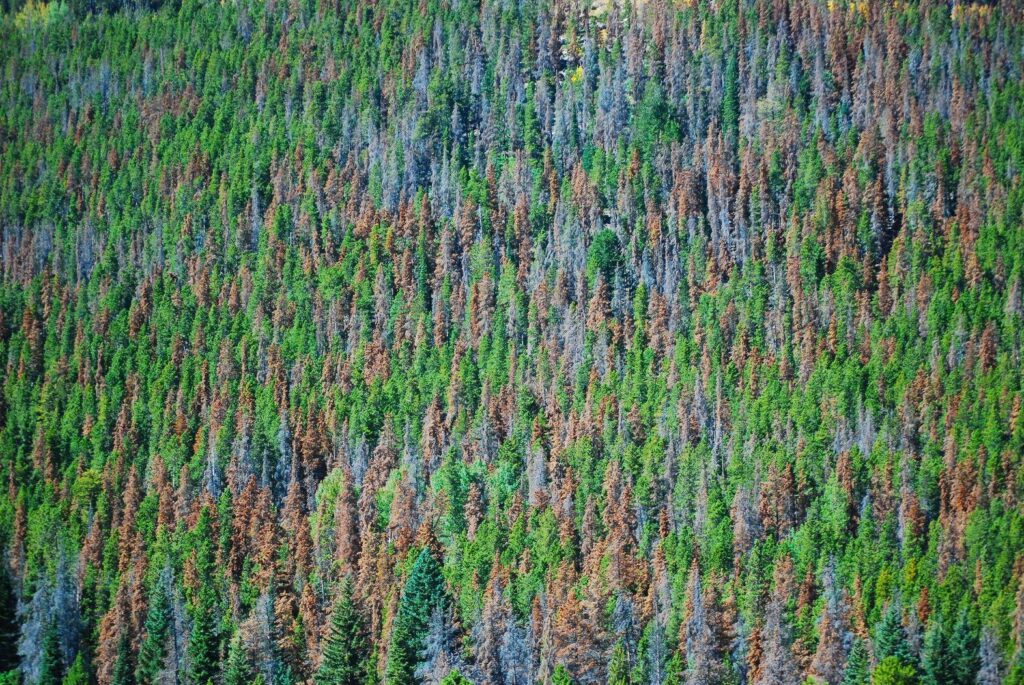
Visitors to Yellowstone National Park have recently noticed alarming changes in the park's ecosystem, particularly in the Douglas-fir trees between Mammoth Hot Springs and Tower Junction, which have begun turning red due to bark beetle infestations. Tour guide Leo Leckie, who has worked in the park since 2010, explained how he would typically reference the handbook to understand these changes. As he noted, “The resource handbook is always on hand... It is the tool that I refer to when clients inevitably ask a question that I can’t answer.”
However, the 2025 edition, released earlier this year, saw the removal of 13 pages that previously addressed the relationship between warming climates and increased bark beetle activity. This omission eliminates crucial information that linked these ecological changes to broader climate patterns, effectively leaving the handbook devoid of dedicated climate content.
According to a Washington Post report, this decision aligns with directives from the Department of the Interior, headed by Secretary Doug Burgum, which sought to eliminate materials deemed inappropriate or disparaging to Americans. The handbook, which evolved from a training binder in the 1980s to a comprehensive resource for park operations and visitor education, had previously included sections on climate change that were based on scientific research up until 2019. Critics argue that removing such information is irresponsible, especially when climate change is increasingly recognized as a pressing issue impacting national park ecosystems.
Elisabeth Cohen, a climate scientist and former ranger in Yellowstone, emphasized the importance of retaining climate education in national parks. She stated, “It feels really irresponsible... We’re neglecting a problem and it will just get worse if we’re not paying attention to it.”
Many rangers and guides rely on the handbook for accurate information to educate millions of visitors annually. According to Leckie, “There are about 300 guide companies in Yellowstone. The climate section of the resource guide is essential for these stewards of the park who are teaching the millions of visitors who come to Yellowstone.”
The removal of climate content is not an isolated incident. In Grand Teton National Park, signs that discussed the complex and often troubling history of figures like Gustavus Cheyney Doane were also taken down, reflecting a broader trend of sanitizing historical narratives in U.S. national parks.
While the park continues to issue the handbook annually—printing about 1,500 copies each year for public sale—the latest edition lacks sections that previously covered critical climate issues, such as changes in precipitation patterns and the impacts on local ecosystems. For instance, the handbook used to outline how warmer temperatures and decreased snowpack were facilitating more frequent wildfires and altering water flows in the Yellowstone River. These changes are important for understanding the current state of the park, especially as average temperatures across the Greater Yellowstone area have increased by 2.3°F since 1950, with further increases projected in the coming decades.
The elimination of climate content from the handbook raises important questions about how national parks communicate the realities of climate change to the public. Experts like Cathy Whitlock, a climate scientist and Regents Professor Emerita at Montana State University, have noted that climate change in Yellowstone manifests as warmer temperatures, less snowpack, and drier summers, which could ultimately jeopardize the park’s ecological integrity.
As Yellowstone prepares for the release of its 2026 handbook, it remains to be seen whether it will reintroduce vital climate-related information that has been deemed outdated or irrelevant. For now, the absence of these critical sections raises concerns about the future of environmental education in one of the nation’s most beloved natural landscapes.
You Won't Believe What Happened After They Found This Shocking Secret!

You Won't Believe How a $13,000 Donation Transformed Hereford High's Automotive Program—Find Out What Happens Next!

Vermont’s Shocking Plan to Defy Trump’s Election Order: What You NEED to Know Now!

Trump's Bold Executive Order Could Change College Sports Forever—Are You Ready for the Fallout?

Is the Flu Really Fading Away? Shocking CDC Stats Reveal What You MUST Know NOW!

Savannah Guthrie's Shocking 'Today' Show Return: What You NEED to Know Before It Airs!
You might also like: