
ISP Faces Catastrophic Staffing Crisis! Will the $5 Million Funding Bill Save It or Sink Us?

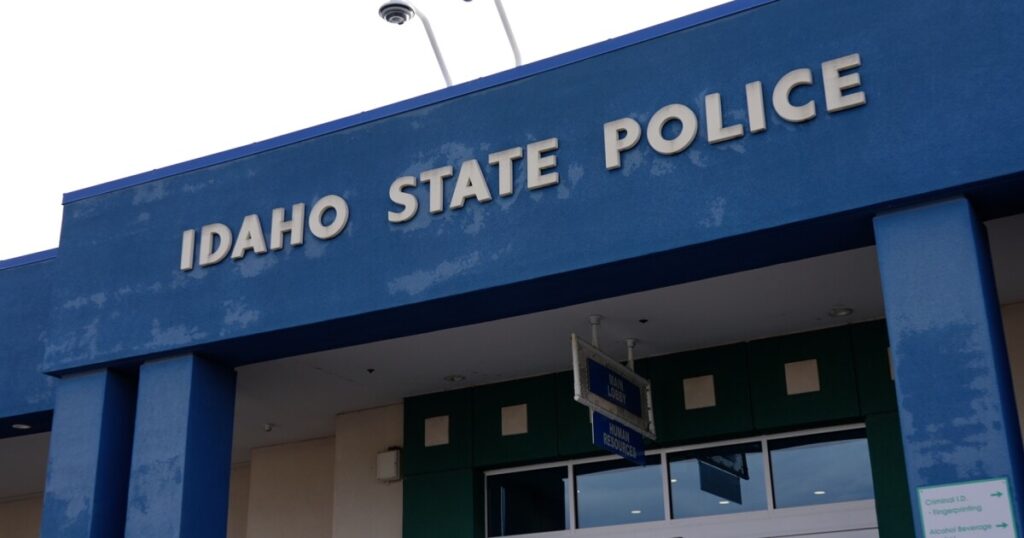
MERIDIAN, Idaho — The Idaho State Police (ISP) is facing a significant challenge in recruiting and retaining troopers, a situation that has become increasingly acute as funding has failed to keep pace with competitive wages in law enforcement. The implications of this staffing shortage extend beyond the agency itself, potentially compromising public safety across the state.
At the forefront of this issue is a bill awaiting the governor’s signature that aims to increase funding for the agency. Idaho State Police Colonel Bill Gardiner emphasized the urgency of the situation during a recent statement: “These are the things that keep me up at night — is that phone call that I get at night and something terrible that happens. And then we go back and research it and we think, could this have been stopped by having a police force that’s fully staffed?”
The ISP has been grappling with staffing shortages in part due to a loss of gas tax funding five years ago, which has forced the agency to rely mainly on the state’s general fund. Currently, only $3 from each vehicle registration is allocated toward trooper pay, a figure that agency leaders argue is insufficient to maintain adequate staffing levels. “I have about 40 openings in those ranks,” Gardiner stated. “And so, you know, you do the math… that’s a lot of vacancy for those that are responsible to ensure public safety is out there.”
Furthermore, the agency is losing troopers to city and county departments that offer better pay. Gardiner pointed out a stark reality: “In fact, in Moscow there’s normally four troopers that live in that town… I have zero troopers in Moscow right now, none.” This staffing vacuum has necessitated that troopers from other regions, such as Coeur d’Alene or Lewiston, be dispatched to fill in.
The impact of these shortages is already being felt in response times and in the level of support available to local law enforcement agencies. For example, last week in Meridian, troopers had to assist local police in shutting down Interstate 84 during a vehicle pursuit to safeguard the public.
“I think we need to do something to address the critical trooper shortage that we’re facing,” said Sen. Daniel Foreman, R-Viola. He described the staffing crisis as “absolutely hypercritical” in his area. Earlier this year, Gardiner made an appeal for $18 million through Senate Bill 1379 to help bridge the pay gap, suggesting a modest increase of about $5 in vehicle registration fees to fund the initiative. However, that proposal was ultimately scaled back, giving rise to a new measure, House Bill 967, which would allocate approximately $4 million instead.
Gardiner expressed his disappointment with this compromise: “So when you ask, am I happy with it… I would be tempted to call it a band-aid.” Lawmakers have acknowledged the necessity of this interim funding, but the sentiment is that a more robust solution is needed. “This is not my preferred approach, but it’s a compromise,” stated Sen. Jim Lakey, R-Nampa. “We need to stop the bleeding and help retain our quality troopers.”
As discussions continue, voices like Sen. Melissa Wintrow, D-Boise, are calling for broader funding solutions for all state employees, highlighting the importance of equitable treatment for those who serve the public. “And if we value all of our state employees, we need to do better and we need to fund all of them and give them raises and pay their healthcare,” she asserted.
The current crisis underscores a pressing need for long-term funding solutions that can sustain not just the Idaho State Police but all state employees. As the situation develops, state leaders are likely to face increasing pressure to address these funding gaps and the subsequent impact on public safety. The stakes could not be higher, as Idahoans look to their law enforcement agencies for protection and community support in an ever-changing landscape.
Unlock Your Fitness Potential: 4 Zodiac Signs Destined for Group Classes—Don't Miss Out on March's Surprising Transformations!
You Won't Believe How This Raymondville Woman Beat Type 2 Diabetes—Her Shocking Transformation Revealed!

You Won't Believe What Fryberger Just Did to Secure a Spot at Chadron State for Cheerleading!

Tech Giants Slash 200,000 Jobs: Is AI the Silent Killer of Your Career? Find Out Now!

You Won't Believe What This Courtland Farmer Revealed at the White House - Shocking Secrets from National Ag Day!

College Sports Sponsorship: 40% of Fans Are Buying In—What About the Rest? You Won't Believe Why!
You might also like: