
SoCal Shark Sightings Surge: Are YOU at Risk? 5 Shocking Safety Tips You Must Know!

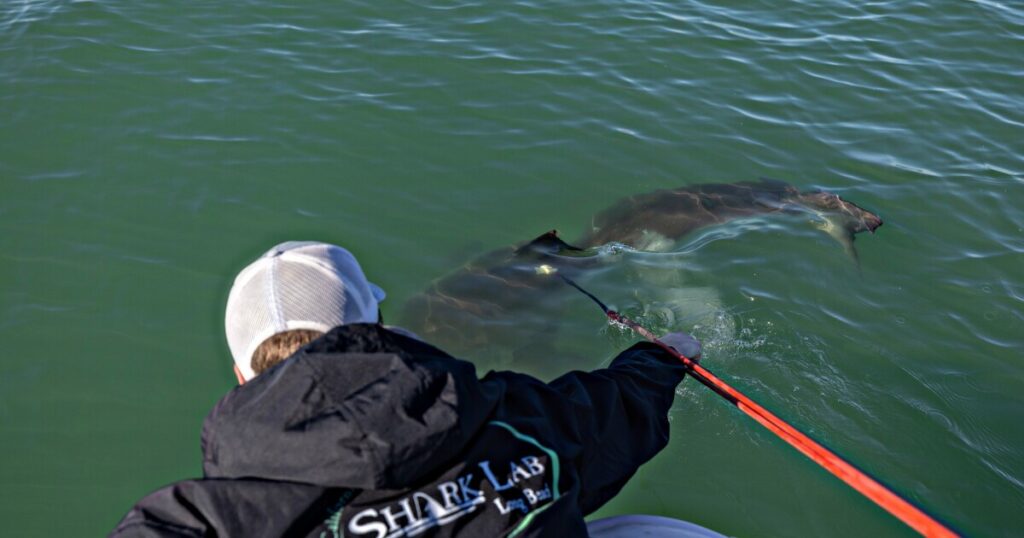
Shark sightings along Southern California's picturesque beaches have seen a notable increase this year, prompting questions and concerns from beachgoers. As the summer season unfolds, the presence of these apex predators, particularly great whites, has made headlines, with local authorities such as Newport Beach temporarily closing areas after sightings near surfers. But what does this trend mean for swimmers and surfers, and how should they react if they encounter a shark?
According to marine biologist Chris Lowe, director of the Cal State Long Beach Shark Lab, the uptick in shark sightings can be attributed to an ongoing marine heatwave. This phenomenon is pushing shark nurseries further north, with young white sharks now being observed in areas previously considered too cold for them, such as Monterey Bay near Santa Cruz. “Prior to 2015, we never saw baby white sharks north of Santa Barbara, and now there's a white shark nursery in Monterey off Santa Cruz,” Lowe explained, highlighting the impact of climate change and rising ocean temperatures.
Southern California's coastal waters have become increasingly favorable for these sharks, potentially leading to population growth in the region. Lowe notes, “Their population may even be growing faster because of this. But the real question is, will that be the case 20 years from now?” This uncertainty underscores the need for ongoing monitoring and research to understand how climate change is shaping marine ecosystems.
While the idea of sharks lurking beneath the surface may send shivers down swimmers' spines, Lowe reassures the public that sharks are not typically interested in humans. “We have hundreds of hours of footage of white sharks swimming right up to people or right underneath them, and not even changing their path,” he said, emphasizing that shark bites are incredibly rare. However, he acknowledges that when bites do occur, it may be due to a shark mistaking a person for prey, such as a seal.
Staying Safe in Shark Habitats
Beach safety is paramount, and there are effective strategies that swimmers and surfers can use to mitigate risks. Lowe advises that being in a group significantly reduces the likelihood of a shark bite, as solitary individuals may appear more like typical prey. Additionally, swimming at beaches with lifeguards is safer since they are trained to monitor shark activity and can respond quickly to incidents.
Sharks tend to be more active at dawn and dusk, making these times particularly crucial for increased caution. “Those are times when we think sharks are more active,” Lowe cautions. Low light levels and murky waters can further complicate visibility, prompting swimmers to seek clearer areas for their activities.
If one happens to spot a shark, Lowe recommends tracking it with your eyes to communicate awareness to the animal. “If you're on your surfboard and you see a shark fin go by, turn your board towards the fin,” he advises. This proactive approach can help demystify the encounter and promote a sense of safety. If a shark approaches too closely, Lowe suggests making contact with a “good bop in the nose,” as the eyes and gills are particularly sensitive areas that may prompt the shark to retreat.
Despite the concerns surrounding shark encounters, Lowe reassures that most sharks do not remain in the vicinity after a bite incident, often disappearing even if blood is present in the water. “Those are the things that lead us to think a shark might have made a mistake,” he noted, reiterating the importance of understanding shark behavior in fostering a more informed public perception.
As shark sightings rise along the coast, it is crucial for beachgoers to remain vigilant while also understanding that these creatures play a vital role in marine ecosystems. With continued research and awareness, both humans and sharks can coexist along the beautiful shores of Southern California.
Unbelievable: How KX's GPU Revolution is Making Wall Street's Elite Sweat! Are You Missing Out?

Trump's Shocking Iran Threat Sends Stocks Plummeting—Is Your Portfolio Safe?

You Won't Believe Who Just Invested $2.56 Million in Tokyo Lifestyle—Is Your City Next?

US Stock Market Meltdown: Here's Why the Dow Just Plunged 500 Points—Are Your Investments Safe?

You Won't Believe How Cheap Samsung’s Best 5G Phone is Right Now—Grab It Before It's Gone!

Cavaliers’ Secret Weapon: How $10,000 Dinners are Keeping Superstars from Leaving!
You might also like: