
Is the Blue Economy Doomed? Shocking Policies You MUST Know Before It's Too Late!

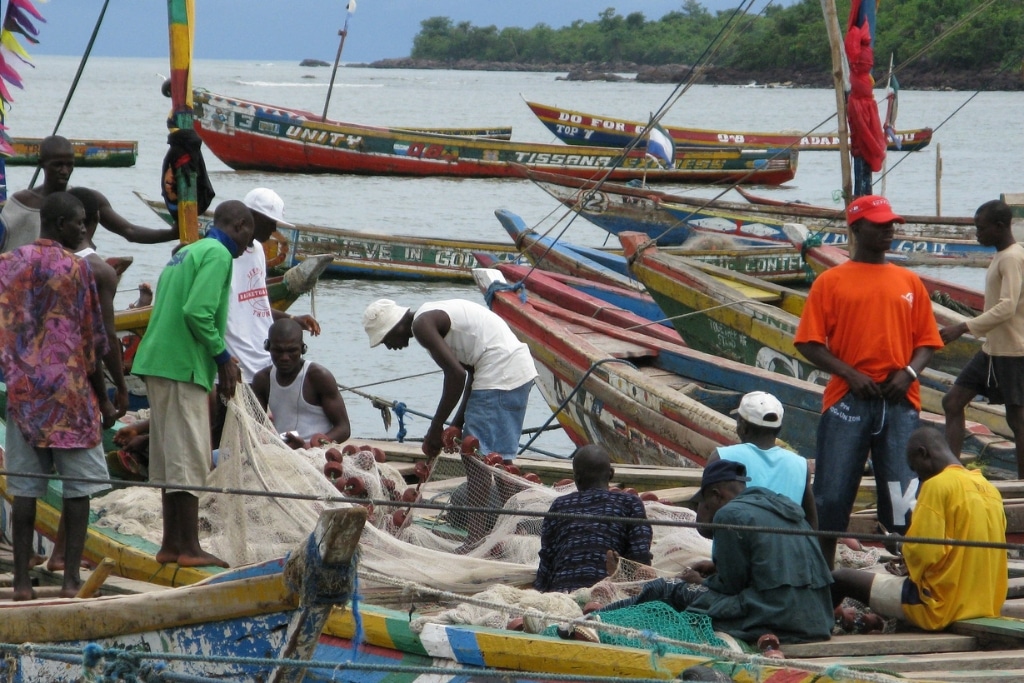
The “blue economy” has transitioned from a niche concept to a vital component of global economic strategy, now valued at approximately US$2.3 trillion. This evolution is driven by the urgent need to address the intertwined crises of energy security and climate change, with the ocean emerging as a key player in sustainable development. Covering over 70% of our planet, oceans offer food, energy, and livelihoods, while also regulating climate and biodiversity. However, increasing pressures—such as overfishing, pollution, and habitat destruction—are jeopardizing marine ecosystems and the communities that rely on them.
Recent geopolitical tensions, notably the conflict in the Gulf, have shifted energy priorities globally, potentially accelerating the adoption of offshore wind as countries seek to reduce dependency on imported fossil fuels. This moment presents an opportunity to reevaluate how we utilize ocean resources while prioritizing their health. Understanding the frameworks and policies shaping the blue economy is crucial to ensure that growth is both inclusive and sustainable.
📰 Table of Contents
Defining the Blue Economy
The term “blue economy” was first introduced by Belgian economist Gunter Pauli in 2010 as a waste-free business model inspired by natural processes. It gained significant traction during the 2012 Rio+20 summit, where it was redefined to emphasize the sustainable management of marine resources, especially among Small Island Developing States. The evolution of this concept has led to varying definitions. The World Bank defines it as the sustainable use of ocean resources for economic growth, improved livelihoods, and ecosystem health. In contrast, Conservation International expands this definition to include non-marketed benefits like carbon storage and cultural values.
At its core, the blue economy encompasses all ocean-related activities with a focus on sustainability, social equity, and the health of marine ecosystems. This is closely linked to the UN Sustainable Development Goal (SDG) 14, which aims to conserve and sustainably use the oceans, seas, and marine resources.
Challenges in Measuring Sustainability
The ocean is still poorly understood, with vast areas remaining unmapped and many species undiscovered. Researchers are aware of the threats facing this vital resource, but assessing the cumulative impacts of these threats is challenging. The complexities of quantifying sustainability metrics are compounded by the need for multi-dimensional indicators—no single metric can adequately capture the economic flows, ecosystem services, or degradation levels associated with marine activities. The European Commission’s Blue Economy Sustainability Framework (BESF) aims to address this by establishing criteria across environmental, economic, social, and governance areas to evaluate whether ocean-based industries are genuinely sustainable.
Moreover, the concept of ocean accounts—a framework that organizes data on ocean-related assets—offers a standardized system for assessing sustainability. These accounts track natural capital, such as fish and minerals, alongside economic data, supporting evidence-based decision-making.
Policy Frameworks and Global Approaches
To promote a sustainable blue economy, various policy frameworks focus on connectivity, climate resilience, and inclusive governance. The World Bank’s Blue Economy Development Framework provides tools for countries to collect data, reform policies, and invest in climate-resilient maritime sectors. Similarly, the OECD’s Blue Economy in Cities and Regions program supports governments in integrating blue economy strategies into urban planning.
Different nations are tailoring their approaches to sustainably harness ocean resources. For instance, in Kenya, the blue economy is a pillar of the Vision 2030 initiative, focusing on tuna, seaweed farming, and coastal tourism. The country emphasizes marine spatial planning to manage maritime zones inclusively. India has also integrated the blue economy into its national strategy, emphasizing ocean accounting through flagship programs like the Sagarmala project and the Pradhan Mantri Matsya Sampada Yojana, which aim to modernize ports and develop coastal communities.
Meanwhile, Samoa’s approach is anchored in the Samoa Ocean Strategy, which aims to protect 30% of its ocean while promoting socioeconomic values through effective governance, monitoring, and research.
As the blue economy continues to expand and adapt—valued at US$2.3 trillion in 2025—the pressures on ocean resources will undoubtedly increase. Ensuring long-term success will depend on sustainable practices that protect marine health while allowing for economic growth.
This article marks the first in a three-part series exploring the blue economy. The next installment will delve into the critical issue of ocean health, while the third will examine the emerging landscape of blue finance.
Explosive Evidence Unveiled: Is the Former AG Mayoral Candidate the Mastermind of Election Fraud?

You Won't Believe What Employees at This Company Say About Their Shocking Work Environment!

Is Your Daily Walk Failing You? Discover the Shocking Truth About Fitness That Could Change Everything!

You Won’t Believe Why These 7 A-List Actors Missed Out on Iconic Roles—#3 Will Shock You!
Why 97% of Users Are Shocked by This Mysterious Page Denial – Are You One of Them?
You Won't Believe What MAHA Claims About Red Meat - Is Your Heart at Risk? Shocking Reactions Inside!
You might also like: