You Won’t Believe Why These 7 A-List Actors Missed Out on Iconic Roles—#3 Will Shock You!

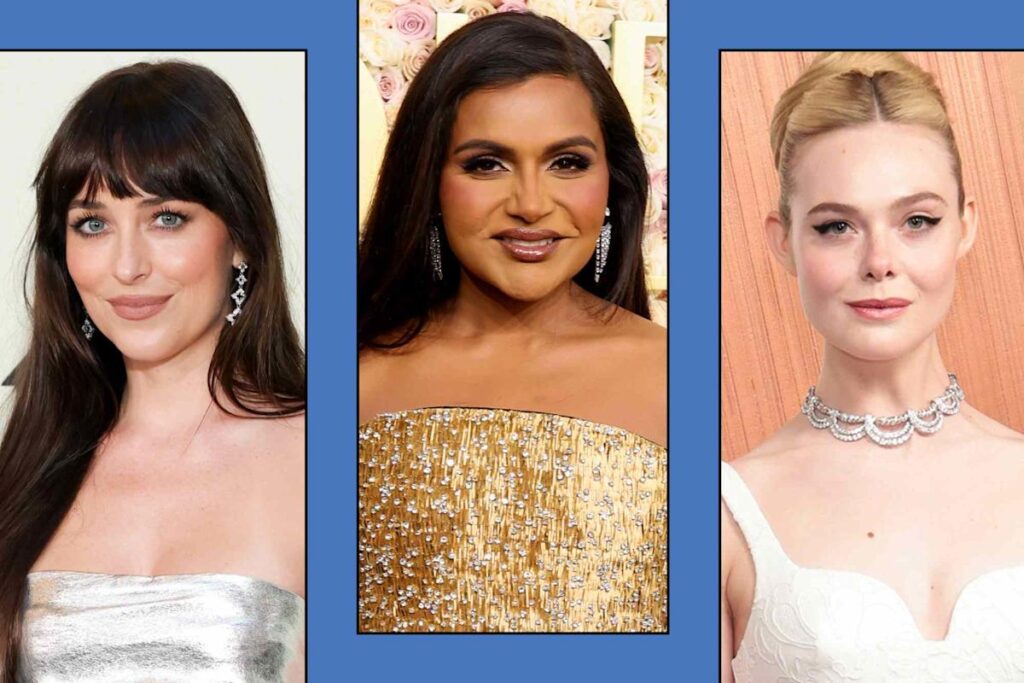
Hollywood is often viewed as a world of glamour and allure, but for many actors, the reality of auditioning can be bizarre, and even downright ridiculous. For them, landing a coveted role is rarely just about talent; it sometimes hinges on factors as trivial as social media presence or, astonishingly, simply being "too polite." Even established stars like Dakota Johnson and Reese Witherspoon have been turned down for some of the most unusual reasons. Here, we explore eight notable actors who lost roles for the most unexpected reasons imaginable.
Dakota Johnson recounted a particularly odd experience during a March 2026 interview on Hits Radio. She revealed that during a callback audition, her politeness backfired. "I went in, shook everyone’s hand, and introduced myself. The feedback I got was that I was being pompous," Johnson explained, adding that her manners were misinterpreted as arrogance. "I was like: 'What?’ I didn’t get the job because they said I was being cocky." This incident underscores the absurdity that can sometimes pervade the casting process, where genuine courtesy can be misconstrued as self-importance.
Similarly, Chris Pine faced rejection for a role in the iconic series The O.C. due to acne. In a 2023 oral history of the show, casting director Patrick Rush recalled Pine's talent but noted that his skin issues were a concern. Pine himself reflected on this during the Happy Sad Confused podcast in May 2024, stating, "It was one of the most traumatic points of my life." His experience highlights the often unforgiving nature of the casting process, especially for young actors grappling with insecurities.
Elle Fanning shared her own surprising setback in May 2023 when she lost a role in a major franchise film. The reason? A lack of Instagram followers. "I didn’t get a part once because I didn’t have enough Instagram followers at the time," she stated on the same podcast. This obsession with social media metrics is a growing trend in Hollywood, with emerging actresses like Maya Hawke noting similar experiences where casting decisions were influenced by social media presence.
Mindy Kaling faced a humiliating rejection in 2014 when a network invited her to audition for her own sketch comedy series. "We were not considered attractive or funny enough to play ourselves," she recalled. Despite the embarrassment, Kaling turned this experience into motivation, ultimately achieving significant success with shows like The Office, which became one of NBC's most beloved series. "That network is no longer on the air," she quipped, illustrating how sometimes the industry's misjudgments can lead to unexpected outcomes.
For James McAvoy, height became a hurdle in 2019 as he revealed that he was told he was "too short for a role." He shared that this kind of feedback can be disheartening, stating, "Sometimes you’re made to feel like you’re not good-looking enough to get a role." Such instances serve to highlight the often superficial standards that are upheld in Hollywood.
Even Oscar-winner Reese Witherspoon has not been immune to bizarre casting decisions. In a now-deleted Instagram post, she revealed that she had been turned down for a role because she was "too smart." "I was always considered TOO something. Too short. Too feisty. Too energetic," she recalled. Witherspoon’s perspective on rejection has evolved; she now believes that sometimes these setbacks are protective. "Let yourself be sad, grieve what didn’t happen for a minute but move ON," she advised, highlighting a healthier outlook on the industry's challenges.
In a more historical context, Robert Redford once auditioned for the role of Benjamin Braddock in The Graduate, only to be told by director Mike Nichols that he never "struck out with a girl." Nichols explained, "You can never play a loser," capturing the essence of typecasting in Hollywood, where an actor's real-life persona can sometimes dictate their on-screen opportunities.
The stories of these actors reveal a sobering reality about the entertainment industry. From arbitrary standards to social media metrics, the factors influencing casting decisions can often seem trivial and nonsensical. However, these experiences also underscore the resilience and adaptability of actors who navigate this unpredictable landscape. As Hollywood continues to evolve, it remains to be seen how these absurdities will shift in the face of changing societal norms and audience expectations.
Why 97% of Users Are Shocked by This Mysterious Page Denial – Are You One of Them?
You Won't Believe What MAHA Claims About Red Meat - Is Your Heart at Risk? Shocking Reactions Inside!
Is Your Social Media Habit Harming You Like a Drug? Shocking Truths Exposed!
Grizzlies' Clarke Caught in Shocking Arkansas Drug Bust: What You Didn't See Coming!
Eugene Mirman’s Life Hangs in the Balance: You Won’t Believe Who Saved Him from the Flames!

Trump's Shocking Announcement: Is the U.S. Really Pulling Out of the Iran War in Just Weeks? Find Out Now!
You might also like: