
White House's Secret AI Ban: What They’re Hiding Could Change Your Life Forever!

The White House is currently advocating for a moratorium on state laws regulating artificial intelligence (AI), potentially pursuing this through the upcoming National Defense Authorization Act (NDAA) for fiscal year 2026 or via an executive order. This push comes amid growing concerns about a fragmented regulatory landscape across different states, which could hinder innovation in the rapidly evolving AI sector.
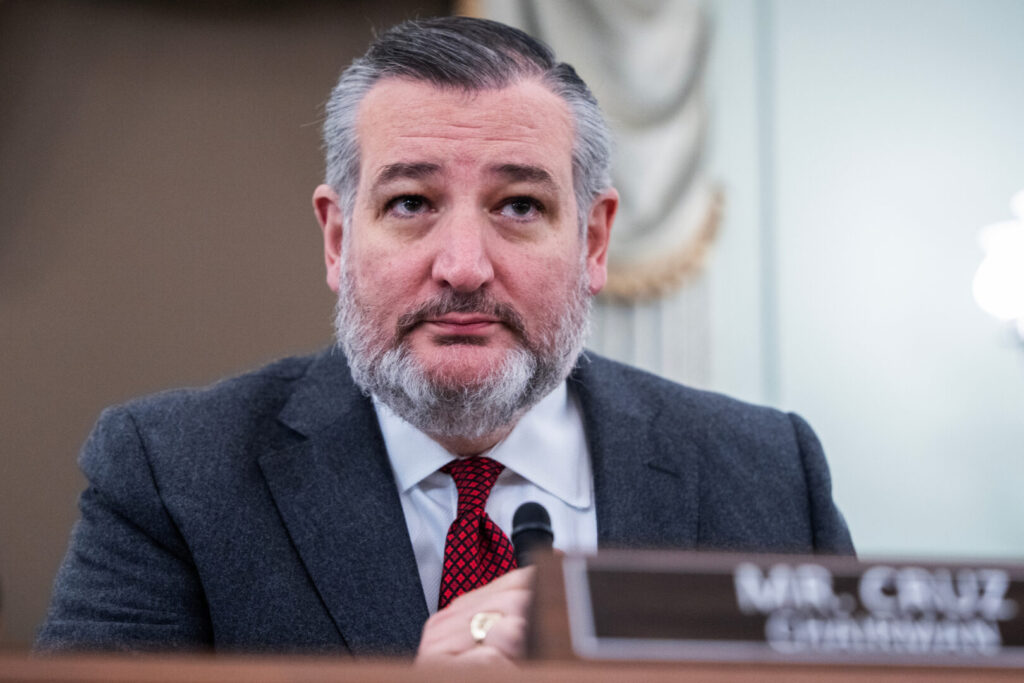
However, support for including such a moratorium in the NDAA appears limited. On Thursday, experts voiced skepticism regarding the constitutionality of portions of a leaked draft of the executive order. Notably, Senate Commerce Chair Ted Cruz (R-Texas) acknowledged that the White House is exerting pressure on Congress to adopt this moratorium, a proposal he initially included in a GOP budget reconciliation bill that was overwhelmingly rejected with a 99-1 vote earlier this summer.
“The president is pressing forward,” Cruz told reporters. “We’ll see what happens.”
Despite the White House's push, the outlook for incorporating a moratorium into the NDAA remains uncertain. House Majority Leader Steve Scalise (R-La.) indicated earlier this week that GOP leadership is exploring avenues to advance a national moratorium, with the NDAA as a potential vehicle. Conversely, Senate Armed Services Chair Roger Wicker (R-Miss.) suggested he has not prioritized this issue. Rep. Rob Wittman (R-Va.), a member of the House Armed Services panel, also expressed doubts, stating, “I think that’s going to be out” of the NDAA.
Wittman emphasized the need for a cohesive framework rather than a patchwork of state regulations. He remarked, “The AI sector wants to avoid a ‘patchwork quilt’ of state regulations, including some states that are ‘really impeding’ the technology.”
Sen. Mike Rounds (R-S.D.) echoed Wittman's sentiments, noting that while states generally address local concerns effectively, some ideas from state regulations could be integrated into national policy. Rounds also highlighted the White House's ongoing exploration of an executive order to manage state AI laws but questioned the potential impact of such an order.
“I’m not sure what they can do, other than strongly recommend to Congress that we actually get to work and actually do some national policies on some of those same issues that are of concern to the states,” he stated.
Democratic senators have largely opposed the idea of a moratorium within the NDAA, stressing the potential risks associated with unregulated AI deployment. Massachusetts Senators Edward J. Markey and Elizabeth Warren, both Democrats, sent a “Dear Colleague” letter urging their colleagues to reject such provisions. Warren, who serves on the Armed Services Committee, warned that a moratorium could hinder states from addressing urgent risks posed by rapidly deployed AI systems, stating, “If included, this provision would prevent states from responding to the urgent risks posed by rapidly deployed AI systems, putting our children, our workers, our grid, and our planet at risk.”
Sen. Brian Schatz (D-Hawaii) expressed concerns about the potential for mass unemployment due to AI, particularly affecting entry-level jobs, and stressed the necessity for a national standard. “Even if you’re excited about AI, even the smartest, most pro-AI people think that there is a regulatory framework that has to be established,” he noted.
White House Strategy
A leaked draft executive order suggested that the administration would not ban state laws on AI but would instead create a task force within the Justice Department to challenge such regulations. This would be based on claims that state laws unlawfully regulate interstate commerce or conflict with federal regulations. The draft aims to develop a list of specific AI laws that would make states ineligible for federal funding or that the task force should contest.
For example, California's Transparency in Frontier Artificial Intelligence Act, which goes into effect on January 1, will require major developers to disclose their AI frameworks and conduct catastrophic risk assessments. Similarly, a Colorado law set to take effect on February 1 will mandate developers of “high-risk” AI systems to exercise reasonable care to protect users from discrimination, which is defined based on impact rather than intent.
While the draft executive order does not establish a national standard for AI, it would direct agencies like the Federal Communications Commission and the Federal Trade Commission to consider regulations concerning the disclosure of AI practices and outputs. The White House has indicated a strong opposition to what it deems “burdensome” state regulations that could obstruct federal AI-related funding.
Experts have raised legal questions regarding the executive order's ability to preempt state laws. Travis Hall, director for state engagement at the Center for Democracy and Technology, suggested that while Congress may have the authority to regulate in this area, the presidency lacks such power. Hall expressed doubts about the federal government prevailing in court challenges against state laws that regulate AI, emphasizing that companies could pursue those lawsuits independently. “I do think that it’s telling that for all the concern that companies are expressing about these state laws, they have not brought those cases,” he said.
Furthermore, Cody Venzke, senior policy counsel at the ACLU, criticized the draft order for overlooking the discriminatory potential of AI in areas like housing and education. He argued that the administration’s stance dismisses substantial evidence of AI reflecting existing societal biases.
In a landscape of evolving AI technology and regulatory uncertainty, the ongoing debate over a moratorium on state laws highlights the challenges of balancing innovation with ethical considerations and public safety. As lawmakers navigate these complex issues, the implications for both the tech industry and everyday Americans could be profound.
Dow Plummets 500 Points Today! What’s Behind the SHOCKING Market Shift You Can’t Ignore?

LATAM Startups Just Scored $300M This Week—Are You Missing Out on the Next Big Wave?

Which Christmas Movie Will Die in Our Ultimate Bracket? Vote Now or Regret It Forever!
Eric Swalwell's Shocking Move: What His California Governor Run Means for YOUR Future!

Texans’ Defense SHOCKS Bills in Historic Showdown – Are They the New NFL Titans?

Are You Ready for the 2025 DI Men's Soccer Championship? Shocking Bracket Reveals Major Upsets!
You might also like: