Why Italy’s World Cup Dreams Crumbled: Shocking Stats and Insider Secrets Revealed!

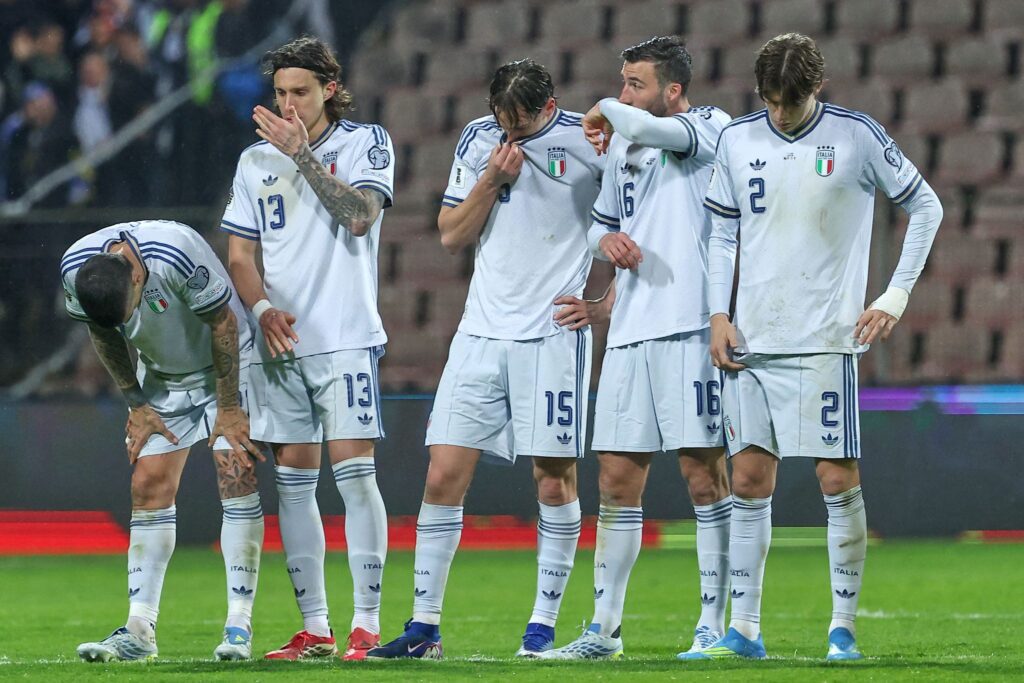
In a heartbreaking turn of events for Italian soccer fans, the Azzurri's hopes for redemption have been dashed once again. After a dramatic penalty shootout against Bosnia-Herzegovina on March 31, 2026, Italy will not be participating in the upcoming World Cup, marking the third consecutive tournament that the four-time champions will miss. This loss in the qualifying playoff in Zenica, Bosnia, is particularly painful as it echoes the memory of Roberto Baggio's infamous miss in the 1994 World Cup final at the Rose Bowl.
The defeat comes after Italy was eliminated at the same stage by Sweden ahead of the 2018 World Cup and by North Macedonia in 2022. The current state of Italian soccer raises several questions about why a team with such a rich history and talent is struggling to qualify for major tournaments. Here are five critical factors contributing to the Azzurri’s ongoing challenges.
📰 Table of Contents
Decline of Talented Players
Reflecting on the illustrious past of the Italian national team, it is evident that the current squad lacks the caliber of players who once led Italy to victory. Legendary figures like Alessandro Del Piero, Francesco Totti, and Andrea Pirlo are now long gone. The most expensive player in the current lineup, midfielder Sandro Tonali, was transferred to Newcastle in 2023 for approximately €80 million (around $93 million). In contrast, the only player considered world-class at this time is goalkeeper Gianluigi Donnarumma. The team also features Argentine-born strikers Mateo Retegui and Moise Kean, which adds further complexity to the national identity and performance.
Serie A's Transformation
Once hailed as the pinnacle of soccer during the 1980s and 1990s, Serie A has seen a significant decline. The league was a prime destination for global superstars, including Diego Maradona and Kaka, who elevated its status. Today, however, Serie A has become a retirement haven for aging players. Notable veterans like 40-year-old Luka Modric and 39-year-old Jamie Vardy have joined the league primarily to wind down their careers. This influx of older talent has diluted the league’s competitive edge and, consequently, its ability to nurture young, world-class players for the national team. Additionally, storied clubs like Juventus, which historically formed the core of the national squad, have not won Serie A since 2020, and notably, there were no players from AC Milan on the playoff roster.
The Rise of Alternative Sports
As Italy grapples with its soccer woes, other sports are gaining popularity, particularly tennis, largely fueled by the remarkable achievements of young star Jannik Sinner. According to data from Nielsen Fun Insights in 2025, a reported 21.6 million Italians identified as soccer fans, while 19.9 million claimed to watch tennis and padel. This shift in interest highlights a potential cultural pivot within Italy's younger generations, who are increasingly drawn to sports other than soccer. Furthermore, Italy has excelled in Formula 1, with 19-year-old Kimi Antonelli winning the last two races, indicating a broader trend of sports diversification.
Lack of National Support
Another layer to Italy's struggles lies in the lack of organized support for the national team. In contrast to professional clubs that boast passionate fan bases, the Azzurri often play in front of crowds without consistent enthusiasm. Gennaro Gattuso, Italy's coach, expressed concern over the atmosphere during matches, stating his preference to hold the playoff semifinal in Bergamo's 23,500-seat stadium instead of the usual San Siro, due to negative crowd reactions. The absence of persistent cheers and songs for the national team dampens the spirit and morale, which can affect players' performances.
Infrastructure Challenges
Italy also lags behind its European counterparts in developing modern soccer infrastructure. Currently, only Juventus owns and operates a contemporary stadium. Both Milan and Inter have only recently acquired the San Siro from the city, with plans to construct a new venue by the time Italy co-hosts the 2032 European Championship alongside Turkey. Meanwhile, AS Roma is still in the process of obtaining necessary permits to establish its arena after a decade of delays. The lack of club-owned stadiums restricts financial growth and competitive viability, further impacting the national team's prospects.
As Italy reflects on yet another missed opportunity, it is clear that a multifaceted approach is needed to revitalize Italian soccer. From nurturing new talent and investing in league infrastructure to rekindling national pride among fans, the path to recovery is complex but essential. The Azzurri's struggles serve as a wake-up call for a nation that once dominated the soccer landscape, urging a reevaluation of priorities as they look toward the future.
You Won't Believe the Jaw-Dropping Water Attractions WhiteWater Just Unveiled in Vietnam!

62,000 NEW Jobs Added in One Month! What This Shocking Trend Means for Your Future!

You Won't Believe What This 50-Year-Old Garage Startup Just Unveiled in Europe!

Is Our Health at Risk? Shocking Rise in Measles Cases Amid CDC Chaos!

Is Your Favorite Social Media Next? Shocking Countries Planning Major Bans Revealed!

“Could Moderate Global Warming Spark Unimaginable Disasters? Shocking New Study Reveals Startling Predictions!”
You might also like: