
Japan's Alarming Survey: Are Smartphones Failing Us During Disasters? Shocking Truth Revealed!

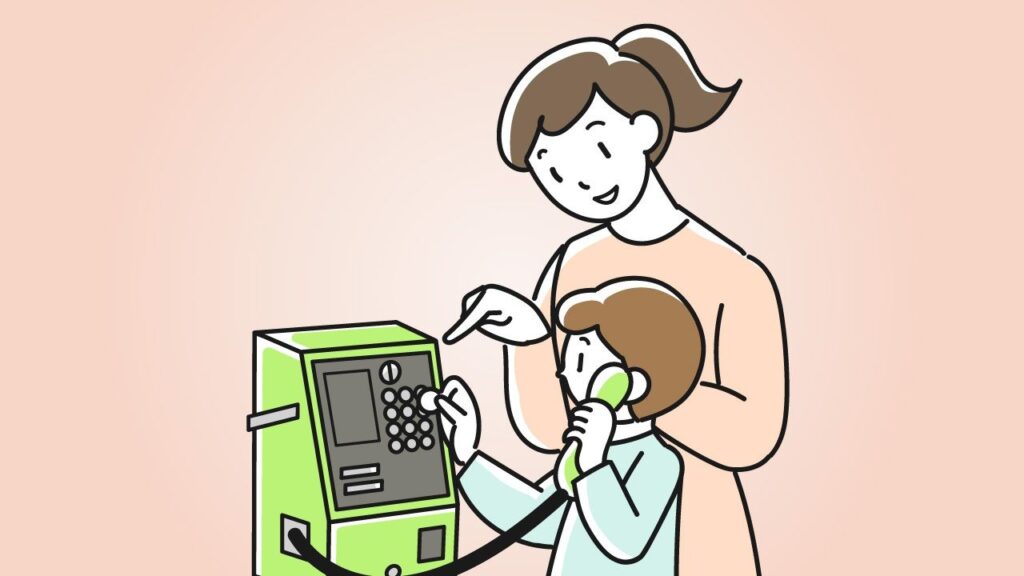
In Japan, where technology and daily life intertwine seamlessly, smartphones have emerged as the primary tool for communication, especially in times of crisis. However, a recent survey has unveiled a concerning gap in preparedness among families for potential disasters. As reliance on communication apps increases, many children are neglecting to memorize their parents' mobile phone numbers—an alarming trend that could have dire consequences during emergencies.
Conducted by Mitsui Sumitomo Insurance, the survey involved 1,000 mothers of elementary school-aged children. The findings revealed that only 25.6% of respondents with children in the first to third grades and 31.8% with children in the fourth to sixth grades believed their children could recite their mobile phone numbers from memory. Alarmingly, around 60% of mothers reported that their children did not know their numbers by heart. This lack of basic knowledge is particularly worrisome in a country prone to earthquakes and other natural disasters.
In the event of a catastrophe, more than a quarter of mothers indicated they would rely on comprehensive communication apps like Line to stay in touch with their children, while only 13.0% favored making direct calls to mobile phones. A staggering 40% of respondents admitted they had no plan in place at all for contacting their children during a disaster. Only 2.5% selected the Disaster Emergency Message Dial (171) service provided by NTT, which allows users to record and playback messages concerning the safety of loved ones.
Despite the fact that awareness of the Disaster Emergency Message Dial service stands at 65.6%, only 20.5% of surveyed mothers knew how to use it. Furthermore, just 11.4% had taken the step of setting a specific four-digit PIN, a vital element for recording and accessing personal messages during emergencies. The service is designed to facilitate communication in times of crisis, allowing families to confirm safety and meeting points when conventional communication channels may be disrupted.
To help families become familiar with this crucial tool, NTT allows practice sessions on the first and fifteenth of each month, along with other designated periods throughout the year. The company encourages households to participate during these times to ensure they are well-prepared should a disaster occur.
The implications of these findings extend beyond individual households. In a nation that faces frequent seismic activity, the gap in communication preparedness highlights a critical issue that government agencies and organizations must address. As the reliance on technology grows, the fundamental skills of memorization and basic communication may fade, leaving families vulnerable when it matters most. The need for a more proactive approach to emergency preparedness has never been clearer.
As Japan continues to advance technologically, it must also prioritize the importance of traditional skills alongside modern conveniences. Ensuring that children can remember essential contact information is not just a parental responsibility; it is a collective societal obligation to safeguard future generations. In this context, the necessity for comprehensive disaster preparedness strategies that include both technology and basic knowledge is paramount.
As this conversation unfolds, it serves as a reminder for families across the globe to reassess their own emergency plans, ensuring that reliance on technology does not come at the expense of critical life skills. In an age where smartphones are ubiquitous, it is essential to balance our tech-savvy lifestyles with the wisdom of traditional preparedness methods.
SC Democrats Plan SHOCKING New Strategy to Recruit Candidates - Will This Change Everything?

NFL's Bold Move: Are Friday Games the Key to Exploding Ratings or a Recipe for Disaster? Discover the Shocking Truth!

F1's Shocking Rule Change: Is This the End of Racing as We Know It? Find Out Why!
You Won’t Believe What Experts Are Revealing This World Autism Awareness Day 2026! 7 Shocking Facts That Will Change Everything!

Wall Street's Shocking Ups and Downs: Did YOU Lose Big This Month? Find Out Now!

You Won't Believe Why Jaguars' Arik Armstead Just Bet Big on the NFL's Shocking New Flag Football League!
You might also like: