
Crowd Erupts in Outrage Over Potential Rooster Ban at Shirley BOH Meeting—You Won’t Believe What Happened Next!

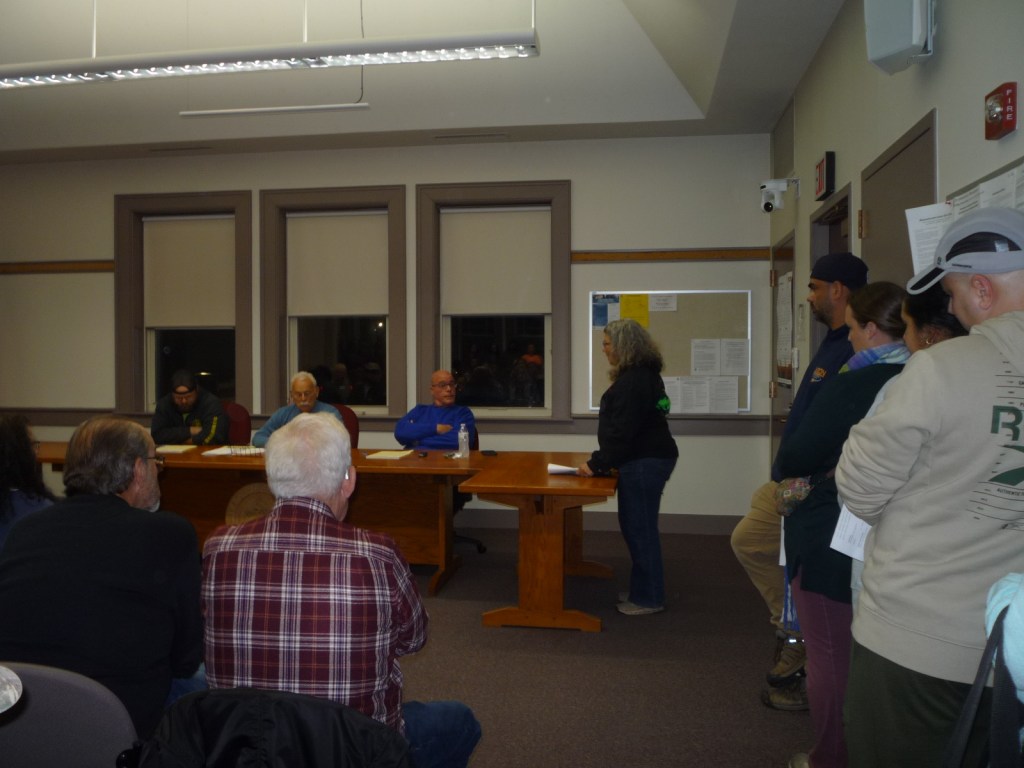
In a recent Board of Health meeting in Shirley, Massachusetts, a crowd of over 50 residents packed the venue, drawn by social media chatter about a potential ban on roosters. The meeting showcased the community's passionate engagement with local governance and raised questions about the balance between urban living and rural traditions.
Chairman Joseph Howlett addressed the crowd, clarifying that a ban on roosters was not under consideration. “We’ve never discussed a ban,” he stated firmly. However, the board did raise concerns regarding “nuisance roosters” due to complaints about excessive crowing from some neighborhoods, which typically commence at sunrise and can persist throughout the day.
Despite the complaints, Howlett noted a lack of formal documentation to substantiate them, mentioning there were no police calls on record. “The complaints were ‘in person,’” he said. The town has a livestock permit covering poultry, but there are no specific restrictions on roosters, unlike the regulations that exist for hooved animals.
Howlett emphasized the board's legal authority—confirmed by town counsel—to establish regulations concerning roosters, including the possibility of a ban. “We can set up regulations… including a ban,” he mentioned, suggesting the matter could be reopened for discussion that evening.
However, Jennnifer McGuinness, a resident of Benjamin Road and former animal control officer, countered by presenting a document she claimed was evidence of a “proposed ban” previously considered by the board, pointing out that there had been no public input. Howlett responded that the document was merely “suggested language” for possible future regulations, not an active proposal.
Jodee Coke, the board's animal inspector and Animal Control Officer, weighed in, explaining that most small rural towns like Shirley do not ban roosters, whereas urban areas tend to have stricter regulations. She proposed implementing guidelines instead, such as restrictions in densely populated areas and a crowing curfew from 10 p.m. to 6 a.m. Coke argued that roosters can be more beneficial than problematic, encouraging the board to consider the positive aspects of keeping them.
Support for roosters came from multiple residents in attendance. Jenniffer Duffy, chair of the Agricultural Commission in nearby Lunenburg, spoke of the importance of maintaining connections to food sources, stating, “As farmland decreases and we lose touch with our roots, it’s important to preserve food-growing,” emphasizing the value of small-scale livestock breeding. Many agreed, noting that homegrown food is not only safer but also promotes self-sufficiency and teaches children about food origins.
Additional arguments in favor of keeping roosters included their role in potentially deterring predators from henhouses. One resident suggested exploring soundproofing measures as an alternative to outright bans. McGuinness raised a critical point regarding the fate of any roosters if a ban were enacted, noting that animal welfare organizations like the MSPCA would not accept them, raising concerns about the welfare of these animals.
“These animals have names… our kids love them,” one resident remarked. Another expressed concern that a ban would force his family to relocate from Shirley, where they had chosen to live specifically because of the permissibility of keeping chickens and roosters.
When Howlett opened the floor for complaints, none were presented, leading the board to vote to table the discussion and gather more information. This decision reflects a growing trend in American towns, where urban and suburban areas grapple with the challenges of integrating rural agricultural practices into modern living. The outcome of this debate could set a precedent for future discussions on livestock regulations in similar communities.
As residents of Shirley navigate this issue, it underscores a broader dialogue about agriculture, community values, and the rights of individuals to maintain their lifestyles amidst changing societal norms. The ongoing discussions about roosters in Shirley may just be a microcosm of the larger battle over land use and community standards in America.
Is Your Daily Routine Secretly Sabotaging Your Health After 60? Discover 10 Shocking Activities That Could Be Aging You Faster!

Binance CEO Drops SHOCKING Truth About Bitcoin's Wild Swings—Are You Ready for What's Next?

Shocking: This Popular Lifestyle Brand’s New Store in Pembrokeshire Will Change Everything – Don’t Miss Out!

Shocking Move: Bay Area’s Eric Swalwell Targets California Governorship—Will He Dismantle the Status Quo?
Smartphone Sharing Is Putting Your Data at Risk: 7 Shocking Facts You Must Know NOW!

CDC’s Website Sparks Outrage: What Shocking Vaccine Claims Could Endanger Your Child?
You might also like: