
These 3 College Football Programs Are Spending Millions on NIL—But Is Their Future Doomed?

As college football enters the 2024 season, the financial landscape has dramatically shifted, with NIL (Name, Image, Likeness) and revenue-sharing spending skyrocketing from hundreds of millions in 2022 and 2023 to an astonishing $1 billion in 2024, and nearly $2 billion projected for 2025. This paradigm shift has led to a new era where college athletes can monetize their talent, but it raises critical questions about sustainability and return on investment (ROI) for programs and their financial backers.
For some institutions, particularly major state universities and select private colleges, the NIL era appears sustainable. However, others may struggle to adapt without a clear financial return soon. Here’s a closer look at three programs facing this daunting challenge: the Texas Tech Red Raiders, Virginia Tech Hokies, and Ole Miss Rebels.
📰 Table of Contents
The Texas Tech Red Raiders
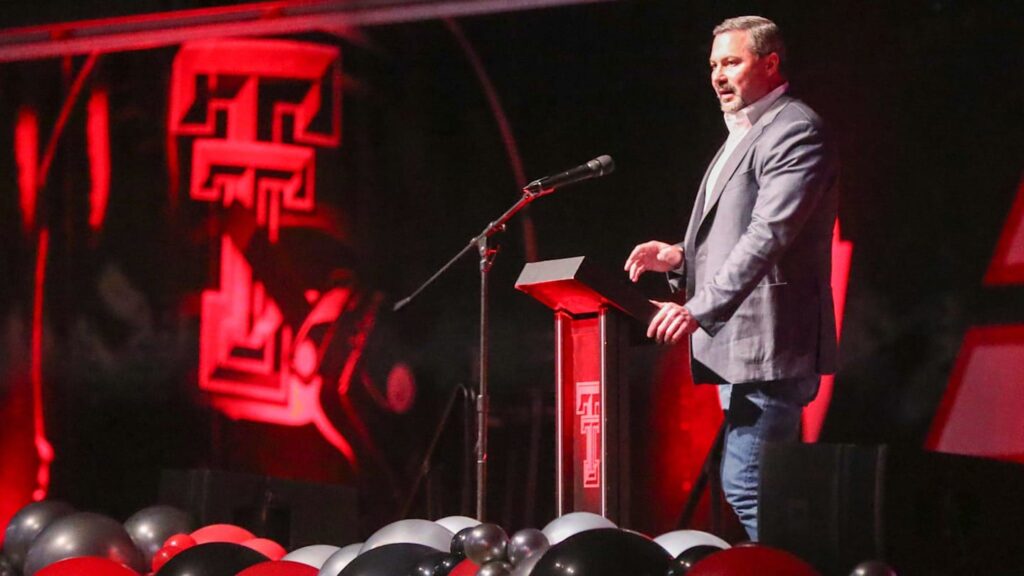
Cody Campbell, the leading booster at Texas Tech University, boasts a net worth in the billions. However, even Campbell may not continue pouring money into Red Raiders athletics indefinitely if returns do not meet expectations. His recent investments highlight this concern: nearly $5 million went to Jacob Toppin, who suffered a season-ending shoulder injury, and over $28 million in football funding failed to yield a single College Football Playoff (CFP) win in 2025.
While Texas Tech advanced rapidly within the Big 12, an ineffective CFP performance could prompt Campbell and other donors to reconsider their annual financial commitments. The possibility of another disappointing outcome in the playoffs looms large, raising questions about whether the escalating financial stakes are worth the risk.
The Virginia Tech Hokies
The Virginia Tech Hokies are banking on a substantial $229 million surplus package from the Virginia Tech Board of Visitors to revitalize their athletics budget over the next four years. This funding was instrumental in hiring head coach James Franklin, tasked with rebuilding the program's competitiveness within the Atlantic Coast Conference (ACC).
School president Tim Sands has emphasized the need for "loyal fans and generous donors to step forward," underscoring the dependence on external financial support. While Franklin is known for elevating team performance, his track record at Penn State suggests a pattern of falling short in crucial contests. Without a solid ROI, the Hokies' aspirations may falter, further complicating their position in an increasingly competitive landscape.
The Ole Miss Rebels
The recent departure of Lane Kiffin from the Ole Miss Rebels to the LSU Tigers underscores the financial challenges facing the program. Kiffin's move was driven by his recognition of a competitive ceiling at Ole Miss, prompting him to join a historically successful team with greater immediate investment in athletics. This shift came during a thrilling CFP run, where the Rebels fell just one win short of the national championship game.
With Kiffin's exit, Ole Miss now faces a daunting task. New head coach Pete Golding must sustain donor engagement during a pivotal season, especially after losing key figures like Kiffin and Charlie Weis Jr. Their departures cast a shadow over the future of the program, raising concerns about the Rebels' ability to maintain momentum in recruiting and on-field performance.
The financial dynamics of college athletics are in a state of flux, with NIL revenues reshaping traditional funding models. As schools like Texas Tech, Virginia Tech, and Ole Miss navigate this new landscape, the stakes have never been higher. The success or failure of these programs in adapting to the NIL era will likely hinge on their ability to demonstrate ROI to their financial backers and sustain competitive performance in an ever-evolving college football landscape.
3 Florida Beach Towns Set to EXPLODE in Real Estate: Are You Ready to Lose Out?

You Won't Believe What Baton Rouge is Offering: Free Vaccines, Hidden Art Treasures, and a Shocking Strawberry Market!
Is Cameron Boozer the Secret Weapon the Kings Desperately Need to Avoid Disaster? Find Out Now!

14-Year-Old's SHOCKING Plan to Overthrow Vermont's Governor: Will He Succeed or Fail Miserably?

The Shocking 2026 Draft Picks That Could Transform the Buccaneers – Don’t Miss This!

Sony's Shocking Memory Card Crisis: Is AI Sabotaging Your Favorite Tech? Find Out Now!
You might also like: