
Sony's Shocking Memory Card Crisis: Is AI Sabotaging Your Favorite Tech? Find Out Now!

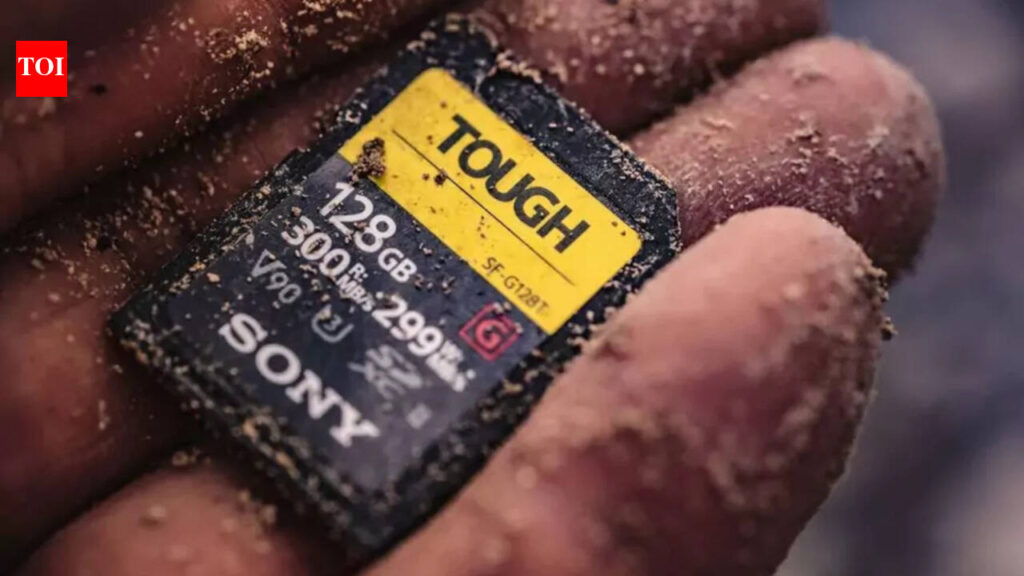
In a significant turn of events, Sony has announced it will no longer accept orders for nearly all of its memory card offerings, including the CFexpress Type A, Type B, and SD cards. This decision stems from a global semiconductor shortage exacerbated by the soaring demand driven by advancements in artificial intelligence (AI). The suspension, initially communicated on March 27 for the Japanese market, has no specified date for resumption. Sony is the first major manufacturer to halt sales entirely, highlighting the severity of the situation.
According to the announcement on Sony's Japanese website, the suspension affects both authorized dealers and customers at the Sony Store. The list of impacted products is extensive, with nearly all CFexpress Type A cards from 240GB to 1,920GB unavailable, along with the Type B 240GB and 480GB cards. Even the budget-friendly V30-rated 64GB SD cards have been swept off the shelves, leaving only the 960GB CFexpress Type B and a discontinued series of SD cards unaffected.
The underlying issue is straightforward: the insatiable demand for NAND flash and DRAM from AI data centers has created a vacuum that leaves little room for consumer-grade products. Recent analysis by TrendForce indicates that DRAM contract prices could surge by 90-95% quarter-over-quarter, while NAND flash prices are expected to rise by 55-60%. The cost of memory cards has tripled in recent months, a troubling sign for consumers and businesses alike.
The crisis has been further complicated by a helium shortage, linked to geopolitical tensions in regions like Iran. Helium is crucial for chip manufacturing, making its scarcity a potential factor in the ongoing semiconductor crisis. This is not merely a problem affecting high-end products; it is a widespread issue impacting all tiers of NAND production, including even the most economical options.
Sony's halt in orders comes at a particularly notable time, coinciding with the company's announcement of price hikes on the PlayStation 5, which could increase by as much as $100 worldwide. While existing stock at retailers like B&H is still available, once it runs out, there will be no restocking until production can resume.
As the first major entity to completely suspend orders instead of merely increasing prices, Sony's decision raises questions about the larger implications for the tech industry. Other manufacturers may soon follow suit if conditions do not improve, potentially leading to more widespread shortages in consumer electronics and associated products.
The impacts of this semiconductor crisis are far-reaching, affecting not just manufacturers and retailers but also consumers who rely on these technologies for various applications, from photography to gaming. As we navigate through this challenging landscape, the broader implications of these shortages will likely resonate across multiple sectors, signaling a crucial moment for the tech industry amidst an AI-driven future.
Is Steph Curry Secretly Calling the Shots on Steve Kerr’s Shocking Future? You Won’t Believe What’s at Stake!
You Won't Believe What Happens When This Request Is Denied—Millions Are Affected!

Who Will Shock California? The 3 Candidates Fighting for the Governor’s Seat – #1 is Unbelievable!

Meta and Google Just Lost a $10 Billion Battle Over Social Media Addiction—What Happens Next Will Shock You!
You Won't Believe What Happened When This Request Went Wrong—Shocking Consequences Unveiled!

Kristen Stewart's Bold Transformation: What Secrets Will She Uncover as Sally Ride?
You might also like: