
Shocking Price Hikes: Are Your Favorite Tech Gadgets About to Become Unaffordable? Find Out Now!

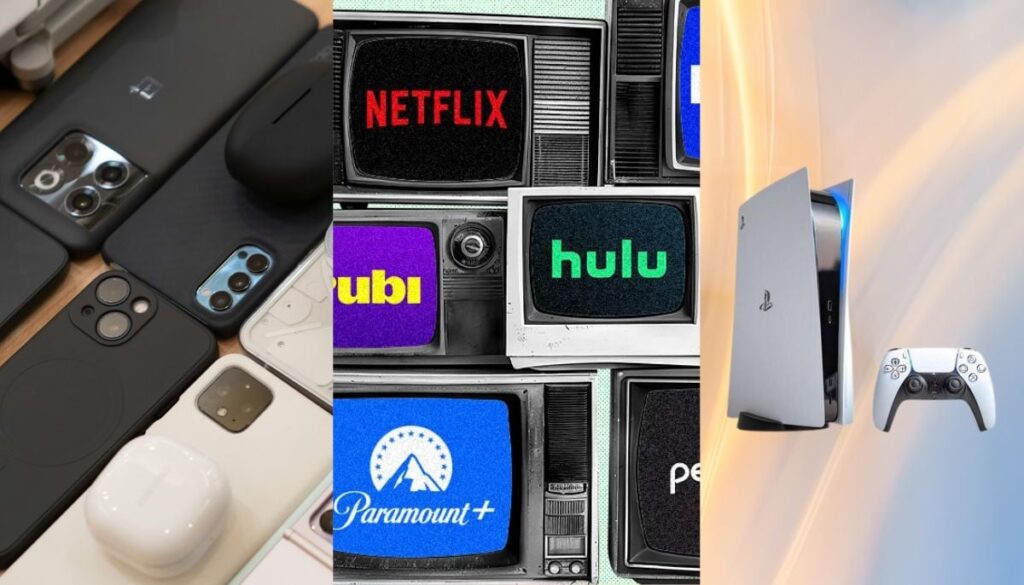
In an era where technology is pivotal to everyday life, consumers are feeling the pinch as prices for essential gadgets like smartphones, laptops, and gaming devices continue to rise. Major tech companies, including Apple, Sony, and Netflix, have already implemented price hikes, placing further strain on consumers grappling with a high cost of living. The reasons behind these increases are multifaceted, rooted in inflation and ongoing supply chain issues exacerbated by global geopolitical tensions.
📰 Table of Contents
Price Increases Across the Tech Landscape
The smartphone market has seen significant shifts as Apple plans to raise prices for older models, including the iPhone 16 and iPhone 15 series. Newer devices like the iPhone 17e are priced higher compared to their predecessors. Samsung has similarly raised prices on its Galaxy S26 collection, and even brands focused on budget options, like Nothing with its Phone 4a, are not immune to these shifts. The price surge is largely attributed to skyrocketing memory costs, a trend affecting not just high-end models but also budget and mid-range smartphones.
Laptops are also feeling the pressure. The latest MacBook Air featuring an M5 chip is significantly more expensive than its predecessor due to rising costs of memory and storage components. This trend reflects broader challenges in the tech industry, where manufacturers are struggling to manage escalating costs while attempting to remain competitive.
Meanwhile, the gaming industry is witnessing its own set of challenges. Sony has announced its second price increase for PlayStation 5 products this year, attributing the hike to global economic conditions. This increase will take effect in April and will impact additional markets. Nintendo has also raised prices for physical game copies, citing a need to adjust to escalating production costs.
Streaming services are not immune either; Netflix recently increased subscription prices across all its plans in 2026. This move was aimed at funding content production while nudging users towards ad-supported options.
What’s Driving the Price Surge?
The rising costs can be traced back to several interrelated factors. Notably, companies in the artificial intelligence sector are purchasing vast amounts of high-bandwidth memory, leading to significant shortages that directly impact consumer electronics. Analysts report that memory prices started to escalate substantially in late 2025, forcing manufacturers to pass on increased costs to consumers.
Additionally, manufacturing costs are climbing due to advanced chip production methods, rising raw material expenses—particularly copper—and ongoing international political conflicts. The culmination of these factors is reshaping the tech landscape, compelling consumers to reconsider their purchasing decisions amid an environment of persistent inflation.
As consumers brace for further price increases, the tech industry faces a paradox: how to balance the need for innovation and quality with the necessity of keeping products affordable. The current price trends signal that consumers should prepare for a challenging landscape ahead, where technology, an essential part of daily life, becomes increasingly costly.
She Started Social Media at 8—Now a $6M Jury Ruling Says Apps Are to Blame! What Happened?

Is Terreno Realty's Bold Newark Lease Renewal Hiding a $1M Secret? Find Out Before It's Too Late!

You Won't Believe What Marco Masa Revealed About His Secret Life in This Shocking Feature!

You Won't Believe What This Neurologist Says About Eating Fruits Daily—The Shocking Amount You NEED!

You Won't Believe How Virginia Tech Softball Shocked Boston College in This Wild Doubleheader!

This AI Cryptocurrency Just Skyrocketed 57%—Could It Overtake XRP? Don’t Miss Out!
You might also like: