
Is the Volla Phone Quintus the Last Hope for Linux on Smartphones? Find Out Why You Can't Ignore This!

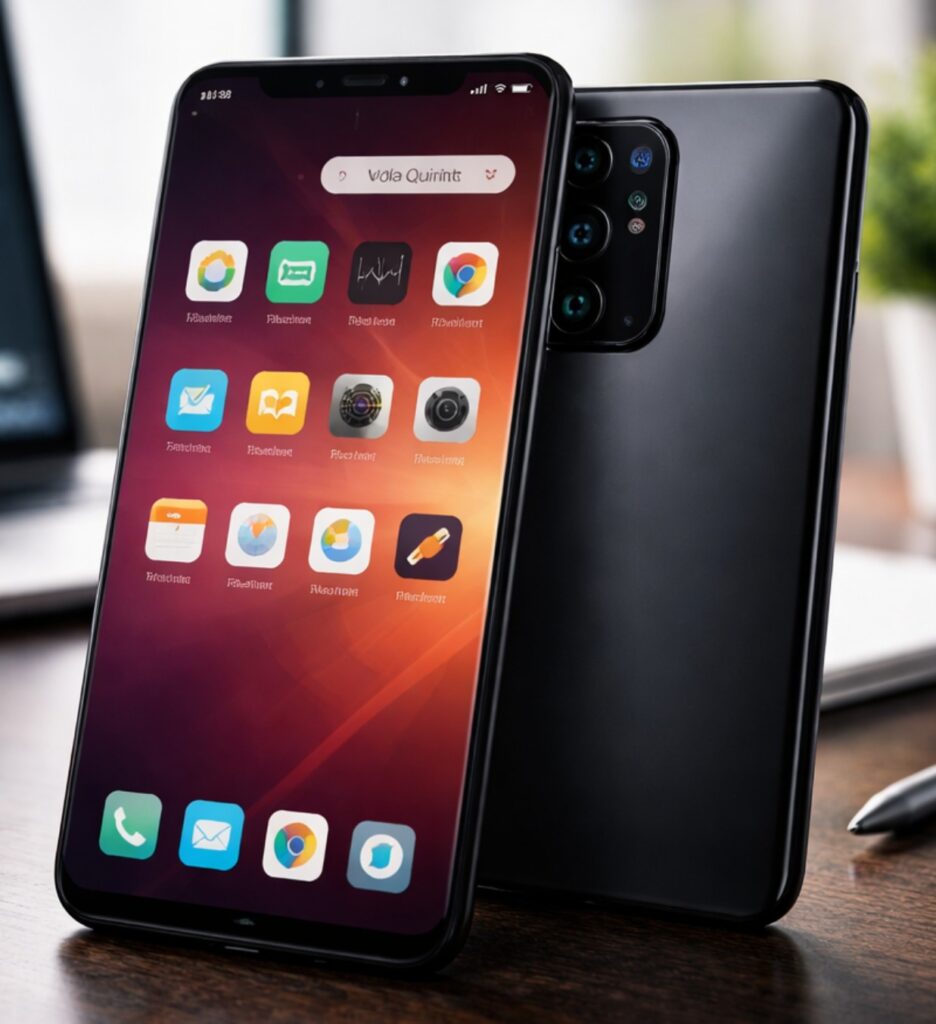
In an era dominated by **Apple** and **Google**, a new player has emerged in the smartphone market that challenges the status quo. Enter the **Volla Phone Quintus**, a smartphone operating on **Ubuntu Touch**, a Linux-based operating system free from the typical restrictions imposed by mainstream giants. While the concept of a Linux smartphone might seem niche or even like a hobbyist venture, the Volla Phone Quintus represents a significant shift toward mainstream usability and accessibility.
Launched in 2026, the Volla Phone Quintus is not just another experimental device; it boasts up-to-date hardware specifications that many mainstream smartphones offer today. The device features a **6.78-inch AMOLED display** with a resolution of **1080 × 2400 pixels** and a refresh rate of **120 Hz**. It is powered by a **MediaTek Dimensity 7050** processor, equipped with **8 GB of RAM** and **256 GB of storage**. Additionally, it supports **5G**, **Wi-Fi 6**, and **Bluetooth 5.2 LE**, alongside a robust **4600 mAh** battery. The camera setup is impressive, featuring a **50 MP wide-angle lens**, an **8 MP ultra-wide-angle lens**, and a **2 MP macro lens**, complemented by a **15.9 MP front camera**. Priced at **719 euros**, the device provides a unique option for users who value control and privacy over the convenience offered by mainstream platforms.
On the software front, the recent launch of **Ubuntu Touch 24.04-1.0** marks a significant milestone. This version is the first based on **Ubuntu 24.04 LTS** and lists the Volla Phone Quintus among its officially supported devices. The update brings modern components, including **Qt 5.15**, enhancing the overall user experience. For a platform like Ubuntu Touch, a polished interface coupled with a solid technical foundation is critical for gaining traction among everyday users.
What truly sets the Volla Phone Quintus apart is Volla's strategic approach to marketing and supporting the device. Unlike traditional Linux smartphones, the Quintus does not require users to navigate complex manual installations. Instead, it features a **multi-boot** option that allows users to run both **Volla OS** and **Ubuntu Touch** on the same device. This flexibility means that users can experiment with Linux without completely abandoning familiar operating systems. As Volla promotes, having a fallback option isn't a flaw—it's a prerequisite for success in appealing to a wider audience.
Yet, this innovative offering does come with limitations. Ubuntu Touch has its own app store, the **OpenStore**, but still depends on **Waydroid**—a compatibility layer—to run **Android** applications. Setting this up requires some technical know-how, including terminal commands or ADB configurations, which might deter average smartphone users expecting a seamless experience. Therefore, while the device is promising, the app availability and ease of use remain hurdles for mass adoption.
A recent hands-on review by **c’t** explored the Volla Phone Quintus, assessing its potential in everyday use. This review highlights not only the aesthetics and usability of the device but also the practicality of the app ecosystem and the pitfalls users might encounter. The findings suggest that while Ubuntu Touch is functional, it appeals primarily to a specific user profile—those who prioritize control and privacy over convenience.
Market positioning for the Volla Phone Quintus is telling. It does not aim to dethrone **Samsung**, **Apple**, or **Google** but rather offers an alternative for those who cherish data sovereignty and an open ecosystem. Volla emphasizes Ubuntu Touch as a privacy-friendly, community-supported option, distinguishing it from the typical choices consumers face, which often boil down to a selection between two dominant app store gatekeepers.
In a landscape where “freedom of choice” frequently equates to navigating between **Apple** and **Google**, the Volla Phone Quintus presents an authentic alternative. However, it also underscores the reality that opting for a Linux smartphone in 2026 may require users to accept some compromises in terms of convenience and app availability. This candid acknowledgment is not just refreshing; it is crucial for fostering genuine user trust.
Conclusion
The Volla Phone Quintus, with its robust hardware and support for **Ubuntu Touch**, signifies an important step for Linux smartphones, moving them from niche hobbyist devices to commercially viable alternatives. While it still operates outside the mainstream due to app limitations, the Quintus shows that by 2026, there are serious, purchasable options for consumers seeking something beyond the conventional smartphone experience. This isn't a revolutionary shift, but in the smartphone market, having a well-constructed alternative is more than enough to capture attention.
Why Students Are DEMANDING Change from the University Board of Elections—Are You Prepared for the Shocking Consequences?

Del City Mayor SHOCKS Everyone by Resigning - What Health Crisis Led to This Unexpected Exit?

Is Climate Change Secretly Shifting Global Power? Shocking Revelations You Can't Ignore!

Lombardo vs. Ford: Shocking Poll Shows a Neck-and-Neck Battle for Nevada Governor—Who Will Prevail?

Burt Jones: Candidate or Controversy? Shocking Accusations Emerge as Election Countdown Begins!
You Won’t Believe What the TECNO SPARK 50 5G Can Do! Discover the Shocking Features Before It’s Gone!
You might also like: