
You Won't Believe What Tropical Fish Are Doing in San Antonio Creeks—And Why It Could Change Everything!

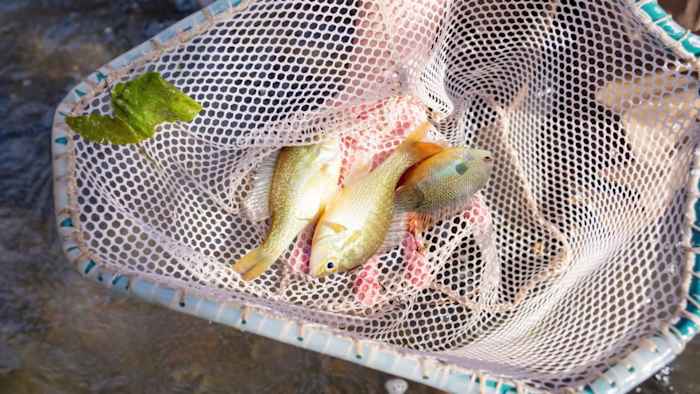
SAN ANTONIO – A new study from the University of Texas at San Antonio (UTSA) reveals significant insights into how climate change is currently affecting local waterways in South Texas. This research, led by UTSA assistant professor Matthew Troia, highlights the emergence of tropical fish in streams where they previously could not survive, suggesting a broader narrative about warming temperatures and their repercussions on the ecosystem.
Troia has been monitoring water temperatures across Central Texas since 2019, investigating how aquatic life responds to changing environmental conditions. His work is now supported by funding from the National Science Foundation, allowing for a focused study on freshwater tropical fish—species typically native to warmer waters like the Amazon—that are now appearing in local rivers and streams.
According to Troia, the increasing air temperatures in San Antonio are leading to higher water temperatures, a phenomenon exacerbated by the urban heat island effect common in metropolitan areas. “Climate change, so just increasing air temperatures, is causing the water temperature to increase. There’s an urban heat island effect happening. All those things are probably contributing to these fish being able to do well in these streams,” he explained.
Some of these tropical fish may have originally been introduced into the wild, often as releases from pet owners. “It’s not a coincidence that a lot of the tropical fish are like pet store fish,” Troia noted. While the presence of these new species might seem innocuous, he warns of the potential consequences for native fish populations. As tropical fish settle into these habitats, they can outcompete endemic species, disrupting ecosystems that have existed for generations.
For example, the Guadalupe bass, a species endemic to Texas and popular among anglers, faces an uncertain future. Troia posed a poignant question to those who enjoy fishing in Texas, “If you told a lot of anglers throughout Texas, ‘Hey, in 20 years, we’re not going to have Guadalupe bass anymore,’ how would you feel about that?”
The implications of such changes extend beyond wildlife. Troia emphasizes that alterations to fish populations can directly impact water quality. “If you have a completely different group of species doing different things, that can have ramifications for water quality, bacterial loads in the streams, nutrients—things that more directly affect people,” he stated. As the ecosystem shifts, residents who rely on these waterways for recreation and resources may soon feel the effects.
Research like Troia’s serves as a real-time warning that environmental changes are interconnected and do not occur in isolation. The ongoing shifts in South Texas’ aquatic ecosystems could ripple outward, impacting both wildlife and the health of communities that depend on these vital waterways.
As we navigate the changing climate, studies such as those from UTSA highlight the urgent need for awareness and action regarding our local environments. Understanding the complexities of these shifts can empower communities to advocate for policies and practices that protect their natural resources, ensuring a sustainable future for both wildlife and people in South Texas.
Brooklyn Daycare Director’s Shocking $500K Money Laundering Scheme – What You Need to Know!
You Won't Believe What Happens When This Simple Request Is Denied—Find Out Now!

Maryland's Shocking Climate Ruling: Is Your Town Next? Discover the Hidden Impacts!
Is Your Browser Putting You at Risk? Discover the Shocking Facts Before It's Too Late!

Baseball Legend Ed Given's Shocking Death: What This Means for His Legacy and the Game!

Luka Doncic Shocks NBA Fans: You Won't Believe His Wild Comparisons to World Cup Legends!
You might also like: